


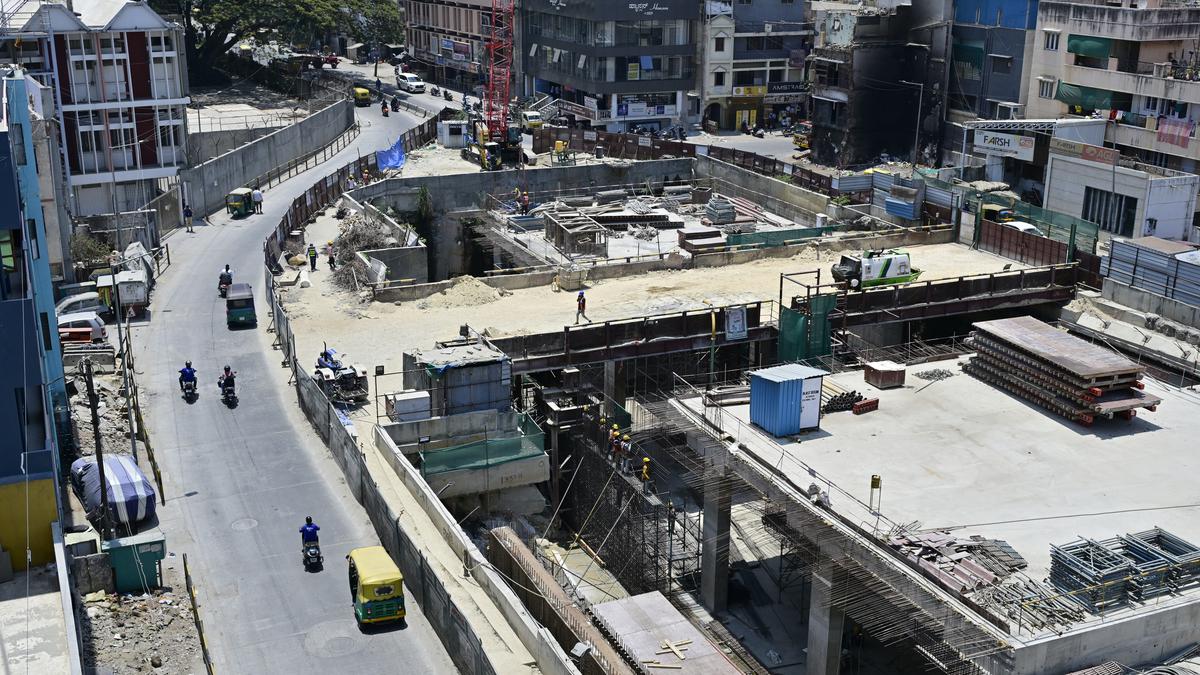
Bengaluru is poised to take a significant leap towards a more sustainable future with the official inauguration of the Namma Metro Yellow Line and the laying of the foundation stone for Phase 3. The new 19-kilometre corridor, connecting the city’s dense residential areas to the bustling industrial hub of Electronics City, is a vital step in reducing traffic congestion and cutting carbon emissions. However, the celebratory event has brought to the forefront a paradoxical reality: the very project designed to streamline urban mobility has, in its moment of triumph, resulted in widespread traffic and parking restrictions, causing considerable disruption for daily commuters and highlighting the complex challenges of urban development and social equity.
The extensive traffic and parking restrictions, implemented by city traffic authorities to accommodate a high-profile visit by a high-ranking official, have brought parts of the city to a standstill. Key arteries, including stretches of the Electronic City elevated expressway and Hosur Road, were subject to bans for several hours, forcing thousands of motorists and public transport users to navigate through congested alternative routes. While the metro line symbolises a major investment in zero-net-carbon public transit, the short-term chaos created by its inauguration underscores a critical disconnect between the celebration of progress and the day-to-day realities of the city’s inhabitants. This situation raises poignant questions about whether the journey towards a sustainable future should come at the cost of immediate, widespread public inconvenience.
A central tenet of building eco-friendly and equitable cities is ensuring that development benefits all citizens, without disproportionately burdening any particular group. The traffic gridlock caused by the event, while a temporary measure, had a far-reaching impact. It created logistical nightmares for daily wage earners, delivery personnel, and professionals with inflexible schedules, demonstrating how mobility restrictions can exacerbate existing social and economic inequities. For a city aiming to be gender-neutral and inclusive, such disruptions are a stark reminder that urban planning must not only focus on grand projects but also on the meticulous management of their implementation and surrounding events to minimise negative human impact. The frustration and emotional toll on commuters stuck in traffic, a common pain point in this city, were amplified by the fact that they were caused by a project meant to offer a solution.
The inauguration of the Yellow Line is a monumental achievement, promising to transform the daily commute for lakhs of people, drastically reducing travel times and personal carbon footprints. However, this moment of pride should also serve as a crucial lesson for urban officials and planners. The city’s future hinges not just on the completion of new lines but on a holistic, people-centric approach to development. A truly sustainable and equitable city is one where the benefits of progress are shared universally and where celebratory events for public infrastructure do not inadvertently create new mobility crises. This incident serves as a poignant reminder that the path to a greener, more connected Bengaluru requires not only ambitious projects but also thoughtful, empathetic planning to ensure that the city’s growth is inclusive and serves the best interests of all its residents.
Also Read :Mumbai AC Local Trains’ Automatic Doors open only at stations, enhancing passenger safety
