


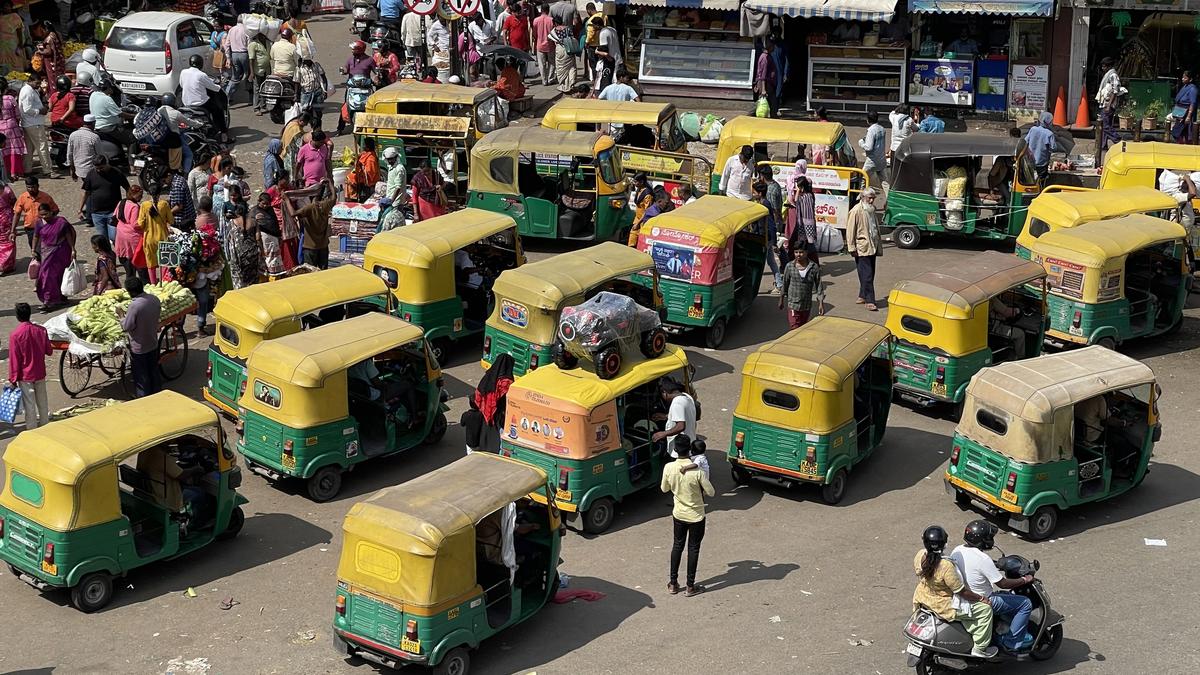
Bengaluru commuters are facing a steep rise in auto-rickshaw fares on ride-hailing platforms, triggering fresh demands for stricter fare regulation following the recent ban on bike taxis. The fare escalation, estimated to be 20–30% higher than the regulated meter rates, has sparked debate among civic advocates, commuters, and regulatory bodies.
The recent disruption began after bike taxis, which offered an affordable and quick alternative, were taken off the roads on June 16. In the absence of these two-wheeler services, many daily commuters have turned to app-based auto-rickshaws. However, they are now encountering higher costs, limited availability, and surge pricing practices that appear to contravene regulatory directives. According to the prevailing rules, the official base fare for auto rides in Bengaluru is set at Rs 30 for the first 1.9 kilometres, with an additional Rs 15 per kilometre thereafter. In May 2024, the Karnataka High Court reinforced a 2022 Transport Department notification that restricts aggregators from charging more than 5% above the prescribed fare. The court also barred ride-hailing companies from imposing surge fees unless the benefit directly accrues to the driver.
Despite this judicial clarity, commuters allege that online auto fares routinely exceed the legal limit, citing examples of Rs 80–100 charges for short trips. Aggregators argue that additional charges like platform and pick-up fees are outside the scope of fare regulation, placing the onus on customers to absorb these inflated rates. Transport sector experts have criticised this stance, asserting that the platform fees essentially serve as disguised fare hikes. These charges, they argue, erode the very purpose of fare regulation, which is to ensure affordability and transparency in urban mobility.
A senior official from the Department of Transport and Road Safety confirmed that the government has appealed the High Court’s judgement, seeking a review of the legal interpretation that currently permits aggregators to operate autos under the Karnataka On-Demand Transportation Technology Aggregators Rules, 2016. The official emphasised that these rules were originally designed for four-wheelers and that three-wheeler services need a separate regulatory framework. This legal ambiguity has prolonged enforcement inertia, creating room for aggregators to continue their current fare models. Regulatory officers note that the appeal is yet to be heard by the division bench, leaving the city without effective fare oversight in the interim.
Urban mobility advocates point out that Bengaluru, with an estimated 4.8 lakh daily auto rides, is witnessing a substantial revenue drain due to the non-enforcement of regulated fares. They estimate that a daily overcharge of even Rs 50 per ride results in commuter losses of approximately Rs 2.4 crore — adding up to over Rs 1,000 crore in just over a month since the fare cap ruling was upheld. Commuters have taken to social media platforms to express their frustration, sharing screenshots of exorbitant fares and long wait times. For working-class residents and students, these increased costs are making daily travel less viable. Many say the situation demands not just legal resolution but also swift administrative action.
Experts in urban transport policy argue that the current model privileges platform economics over public interest. They recommend a reassessment of aggregator licensing, mandatory fare transparency on apps, and stricter auditing mechanisms to prevent unauthorised surcharges. Public policy analysts suggest that the sudden withdrawal of bike taxis has had a cascading effect on the city’s transportation ecosystem. Without a buffer or replacement, the existing systems have become overloaded, leading to fare distortions. They call for a more comprehensive urban mobility framework that includes affordable and sustainable transport choices like shared autos, electric shuttles, and regulated micro-mobility options.
Officials from the Transport Department have acknowledged the mounting pressure and are reportedly exploring interim measures, including a possible cap on platform fees and renewed scrutiny of fare breakdowns displayed to users during booking. In the larger context, this issue illustrates the growing tensions between tech-driven mobility platforms and public interest regulation. As urban India evolves, authorities are being challenged to enforce laws that prioritise affordability, sustainability, and equity while still accommodating private innovation.
With the High Court appeal still pending and enforcement actions stalled, the city’s daily commuters remain in a limbo — bearing the cost of regulatory ambiguity and administrative delays.
Also Read : Kolkata Traffic Advisory Issued Amid Scheduled Processions
