


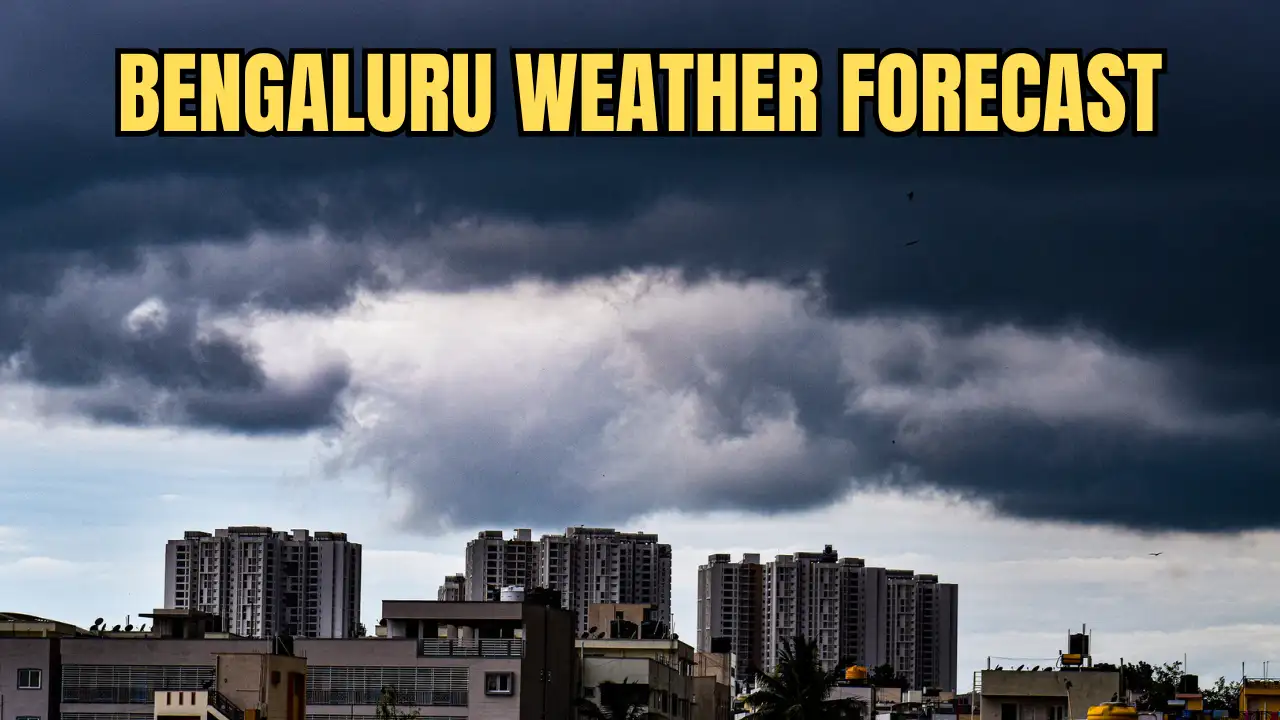
Bengaluru is bracing for a week of unsettled weather as the India Meteorological Department (IMD) has issued a yellow alert for thunderstorms and light to moderate rain across the city. With cloudy skies and daily showers forecast from 15 to 19 July, residents can expect temperatures to hover between 28°C and 29°C during the day, dropping to a cooler 20°C at night, while humidity remains persistently high, often exceeding 80% in the mornings. The meteorological shift offers a brief respite from the typical July heat but brings with it the familiar challenges of urban waterlogging and disrupted commutes.
The city’s infrastructure, long strained by rapid urbanisation and inadequate drainage, is once again under scrutiny as even light rainfall threatens to inundate key arterial roads. Officials have identified several chronic flood-prone zones, including stretches of Outer Ring Road near Bellandur and KR Puram, Silk Board Junction, Hosur Road, Koramangala 80 Feet Road, Shantinagar, and parts of Mahadevapura and Hennur. Motorists are being advised to avoid low-lying underpasses and allocate extra travel time, particularly during the evening rush hour when the combination of rain and traffic can lead to significant delays. Experts point out that while the rainfall recorded over the past 24 hours has been minimal—just 0.1 mm—the persistent cloud cover and high humidity create conditions ripe for sudden, intense downpours. The IMD’s yellow alert is a caution rather than an alarm, but it underscores the vulnerability of Bengaluru’s transport network to even moderate weather events. For the city’s workforce, many of whom rely on two-wheelers and public transport, the prospect of daily showers means planning for longer, less predictable journeys and the constant risk of getting caught in a sudden deluge.
The weather outlook for the weekend suggests an uptick in rainfall intensity, with Saturday and Sunday likely to see heavier showers. Temperatures are expected to remain steady, but a slight dip in humidity on Sunday may offer some relief from the week’s mugginess. For residents, the rain brings a mixed blessing: cooler air and a break from the oppressive heat, but also the inconvenience of waterlogged streets and the potential for localised flooding in low-lying neighbourhoods. From an environmental perspective, the week’s weather pattern highlights both the opportunities and challenges facing Bengaluru as it strives to become a more sustainable, climate-resilient city. On one hand, the rain replenishes groundwater and cools urban heat islands, contributing to the city’s green cover and biodiversity. On the other, the recurring issue of waterlogging exposes systemic weaknesses in drainage and urban planning—weaknesses that disproportionately affect lower-income neighbourhoods and informal settlements, where flooding can damage homes and disrupt livelihoods.
Officials have reiterated calls for residents to stay informed through official weather updates and to take precautions against waterborne diseases, which often spike during the monsoon. The civic authorities, meanwhile, face mounting pressure to accelerate drainage upgrades and green infrastructure projects that can absorb excess rainwater and reduce runoff. Environmental advocates argue that solutions such as permeable pavements, rainwater harvesting, and the restoration of lakes and wetlands are not just climate adaptation measures but also steps toward a more equitable and gender-neutral urban environment, where all residents enjoy safe, accessible mobility regardless of the weather. As Bengaluru navigates this rainy week, the broader conversation turns to the city’s preparedness for increasingly erratic weather patterns linked to climate change.
The current showers may be routine by historical standards, but they serve as a reminder of the urgent need for integrated, long-term planning that prioritises sustainability, resilience, and social equity. For now, the city watches the skies, umbrellas at the ready, hoping that this week’s rain brings more relief than disruption—and that it sparks a renewed commitment to building a Bengaluru that can weather the storms of the future.
Also Read : Punes Hinjewadi IT Park Approach Roads Face Severe Pothole Crisis
