Bengaluru Officials Push Centre To Clear Second Airport Site Decision
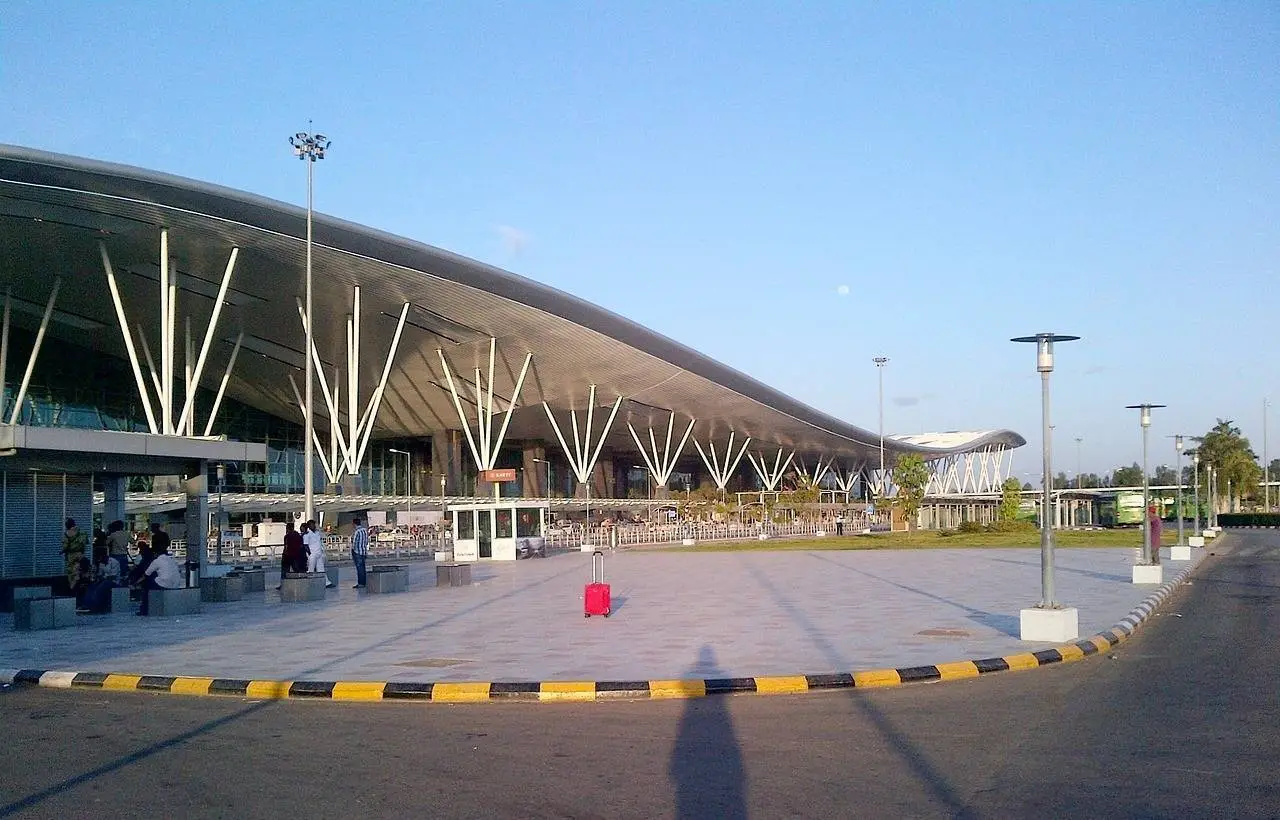
Bengaluru’s long-pending plan for a second international airport is gaining renewed urgency as state officials urge the Centre to expedite site finalisation and clear approvals for key aviation projects. With the city’s Kempegowda International Airport nearing capacity, the demand for a second facility is intensifying. Karnataka officials confirmed that the Airports Authority of India has completed inspections at multiple shortlisted sites, and a decision is awaited. Once the location is confirmed, the state has assured it is prepared to begin land acquisition and infrastructure development swiftly.
Three potential locations—two near Harohalli along Kanakapura Road and one near Nelamangala—are being evaluated, all exceeding 4,500 acres, the minimum land needed for the airport. As Bengaluru continues to experience rapid passenger and cargo traffic growth, aviation planners say another airport is essential to prevent future bottlenecks. The second airport is expected to serve peripheral zones and southern districts more efficiently, reducing travel burden on the current airport while creating regional economic zones. With urban sprawl and industrial clusters expanding, a new aviation hub could improve mobility, logistics, and emergency response readiness.
Beyond Bengaluru, the state is pressing the Union government to fast-track additional regional aviation upgrades. Authorities are seeking immediate clearance to operationalise the long-delayed airport at Vijayapura, which is reportedly ready for launch. Meanwhile, proposals are underway to upgrade airports in Belagavi and Hubballi to international status. Both have modern terminals capable of accommodating high-capacity aircraft and night landings. Officials argue these expansions would serve North Karnataka and adjoining states more effectively, reducing dependence on major metros for domestic and international travel.
Experts suggest these initiatives could help bridge the infrastructure gap between South and North Karnataka while boosting trade, education, and healthcare connectivity. As Hubballi-Dharwad emerges as a manufacturing hub and Belagavi attracts foreign students and business travellers, better air links are becoming critical. A stronger tier-2 airport network would also ease traffic loads on Bengaluru’s overburdened air corridor and decentralise economic growth. However, environmental and social impact assessments must be integrated early to avoid the pitfalls of haphazard urbanisation and displacement witnessed in earlier airport projects.
The push for a second airport and regional upgrades comes at a time when India is seeing one of the fastest increases in civil aviation traffic globally. While infrastructure investment is vital for long-term urban resilience and growth, sustainability safeguards must be upheld. Greenfield airport construction demands large land parcels and often affects ecologically sensitive zones. Bengaluru’s planners must ensure that expansion plans align with low-emission goals, sustainable land use, and inclusive access to economic opportunity across regions.