


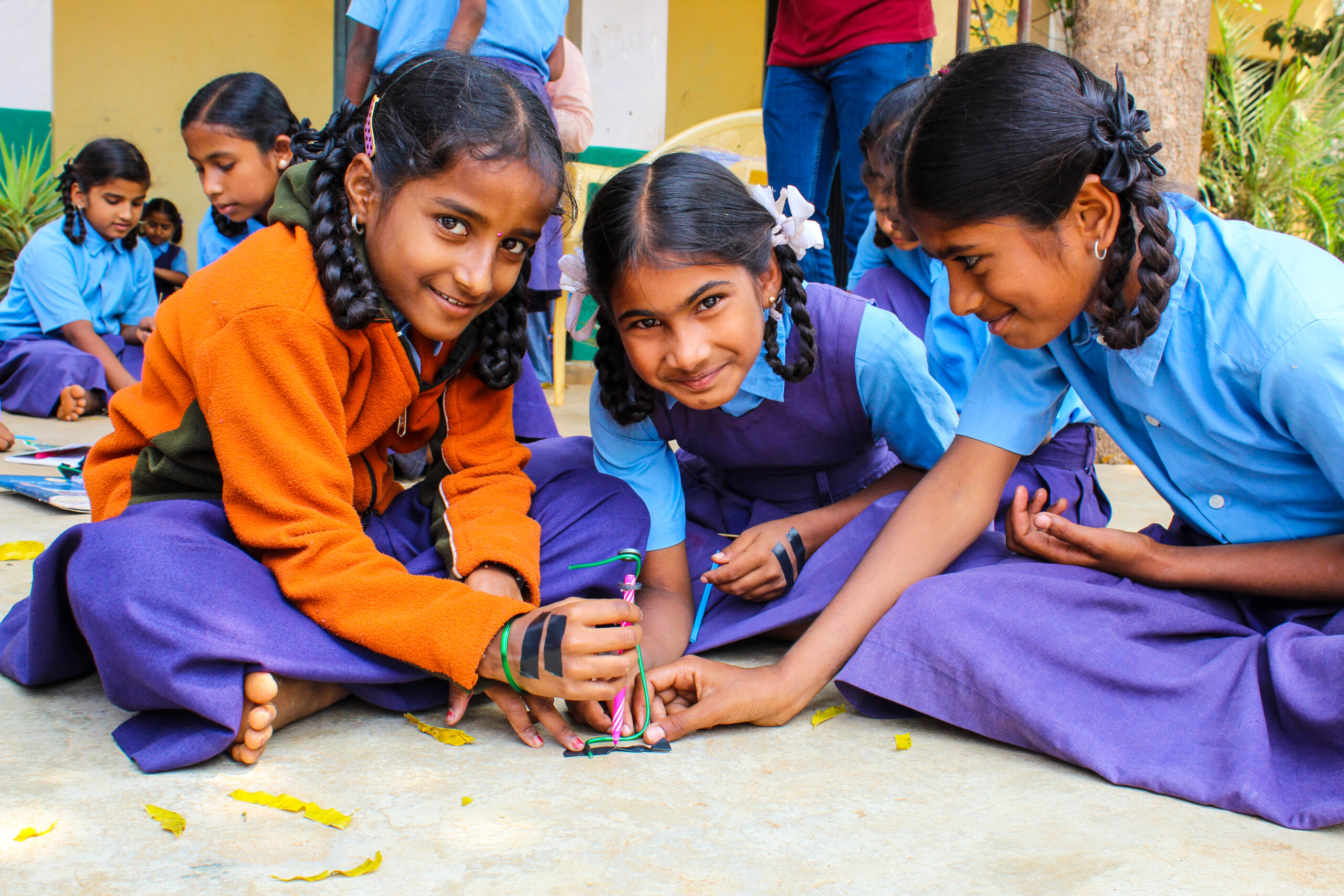
A Bengaluru-based non-profit working to expand access to science education among underserved communities has drawn national attention, highlighting the growing role of grassroots initiatives in strengthening urban learning ecosystems.
The recognition underscores how localised education models are contributing to bridging gaps in access, particularly in cities where disparities in educational resources remain pronounced.The organisation’s work focuses on delivering science education through hands-on learning and outreach programmes, often targeting students from low-income backgrounds. By bringing experiential learning into classrooms and community spaces, the initiative aims to make scientific concepts more accessible and engaging. The Bengaluru NGO science education model reflects a shift towards practical, application-oriented teaching methods that complement formal curricula.Education experts note that such interventions are increasingly important in urban environments where public education systems face capacity constraints. While cities like Bengaluru host a range of high-quality institutions, access remains uneven across socio-economic groups. Initiatives that extend learning opportunities beyond traditional settings can help address these disparities and support more inclusive education outcomes.From an urban development perspective, strengthening science education has long-term implications for workforce readiness and economic growth. Bengaluru’s position as a technology and innovation hub depends on a steady pipeline of skilled professionals.
Expanding foundational knowledge in science and technology at the school level can contribute to building this talent base, particularly if outreach efforts reach communities that are typically underrepresented in higher education.The Bengaluru NGO science education initiative also aligns with broader goals of creating knowledge-driven urban economies. By fostering curiosity and critical thinking, such programmes can encourage students to pursue careers in science, engineering and research—fields that are central to addressing challenges related to climate change, infrastructure and sustainable development.There are also social implications to consider. Community-based education initiatives often create safe and inclusive spaces for learning, supporting participation across gender and social groups. Experts highlight that this approach can help reduce dropout rates and improve overall engagement, particularly in areas where formal schooling may not fully meet student needs.However, scaling such models remains a challenge. Sustained funding, institutional partnerships and integration with formal education systems are critical for expanding reach and impact. Policymakers and industry stakeholders may need to explore mechanisms to support and replicate successful initiatives across different urban contexts.
As Bengaluru continues to evolve as a centre for innovation, the role of grassroots education efforts is likely to become increasingly significant. The recognition of the Bengaluru NGO science education model highlights the importance of inclusive learning strategies in shaping the city’s future workforce and ensuring that growth is both equitable and sustainable.
Also Read:Bengaluru Purple Line Services Strengthen Urban Connectivity
