


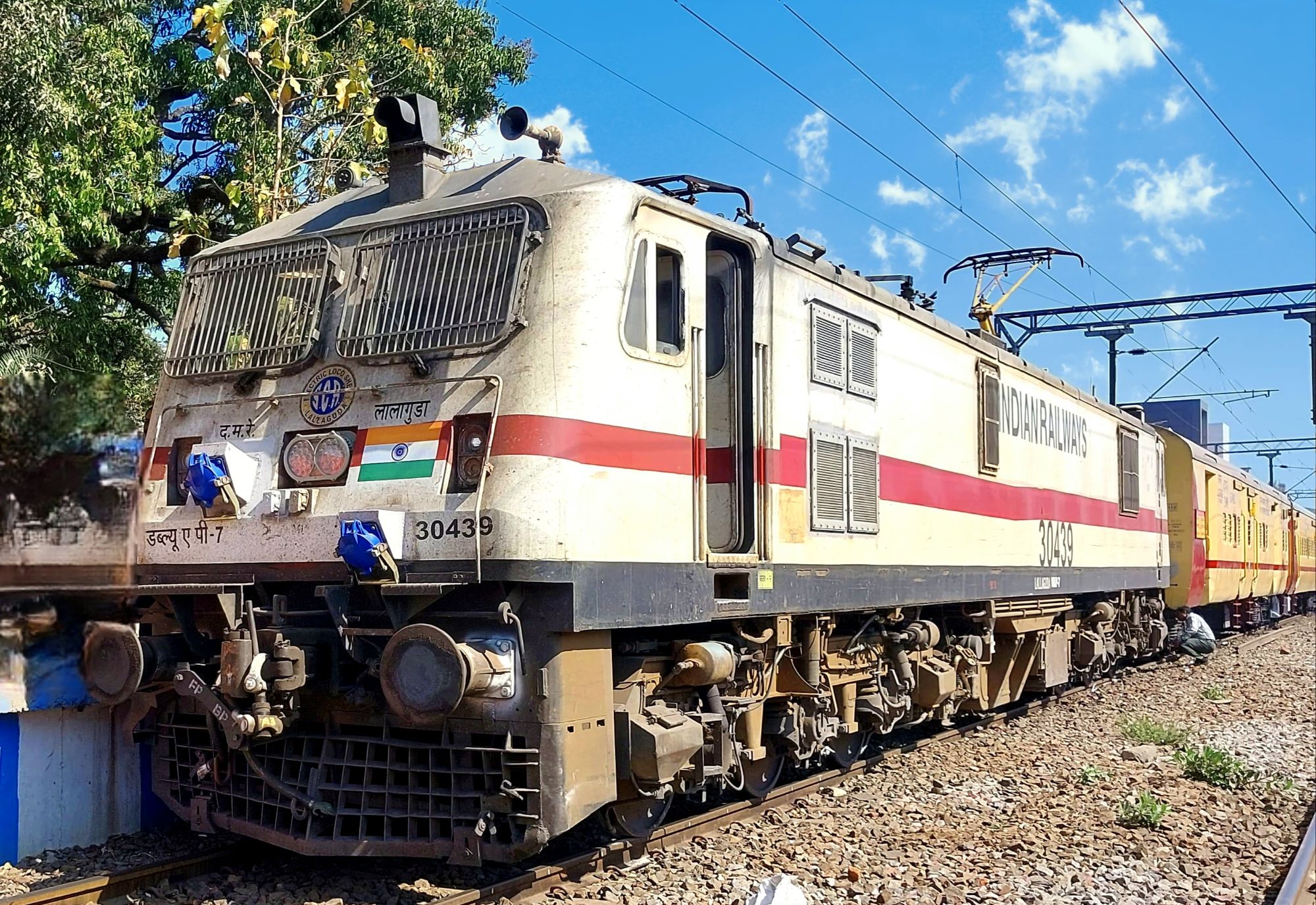
Approval for a new sleeper service on the Bengaluru Mumbai train corridor marks a significant step in strengthening intercity rail connectivity between two of India’s largest economic hubs.
With a full schedule expected soon, the development signals a shift towards enhancing long-distance travel comfort while supporting growing passenger demand on one of the country’s busiest routes.Transport experts highlight that the introduction of sleeper facilities on the Bengaluru Mumbai train route addresses a critical gap in overnight travel options. As business and leisure travel between the two cities continues to rise, improved rail services offer a cost-effective and energy-efficient alternative to air and road transport.The corridor plays a vital role in connecting major industrial, financial, and technology centres. Strengthening rail connectivity between Bengaluru and Mumbai is expected to facilitate smoother movement of people, supporting sectors such as IT, manufacturing, and services. This, in turn, contributes to broader economic integration across regions.From an urban mobility perspective, the upgraded Bengaluru Mumbai train service aligns with efforts to promote sustainable transport solutions. Rail travel typically has a lower carbon footprint compared to aviation, making it an important component of climate-resilient infrastructure strategies. Encouraging a modal shift towards rail can help reduce congestion on highways and lower emissions.The development also has implications for passenger experience. Sleeper trains cater to a wider demographic, including budget-conscious travellers, students, and migrant workers, offering greater accessibility compared to premium travel modes.
This inclusivity is a key aspect of equitable urban and regional mobility.Infrastructure readiness will be crucial to the success of the new service. Railways will need to ensure adequate capacity, efficient scheduling, and integration with existing networks to avoid bottlenecks.Station upgrades, improved passenger amenities, and seamless last-mile connectivity will further enhance the utility of the Bengaluru Mumbai train corridor.Real estate analysts point out that improved intercity connectivity often drives demand in areas surrounding major railway stations. Enhanced accessibility can boost commercial activity, increase property values, and encourage transit-oriented development. In both Bengaluru and Mumbai, such trends could influence urban expansion patterns and investment flows.The logistics sector may also benefit indirectly. While the primary focus of the sleeper service is passenger movement, improved rail infrastructure can enhance overall network efficiency, supporting freight operations and supply chain reliability.However, experts caution that capacity constraints and operational efficiency must be carefully managed. High demand on the route could lead to overcrowding or scheduling conflicts if infrastructure upgrades do not keep pace with usage.The approval of the sleeper service reflects a broader strategy to modernise India’s rail network, balancing speed, comfort, and sustainability.
As the Bengaluru Mumbai train corridor evolves, its success will depend on consistent service quality, infrastructure investment, and integration with wider transport systems.In the long term, such initiatives are expected to play a crucial role in shaping interconnected, efficient, and environmentally sustainable urban regions across the country.
Also Read:Chennai Aviation Jobs Demand Drives Workforce Growth
