


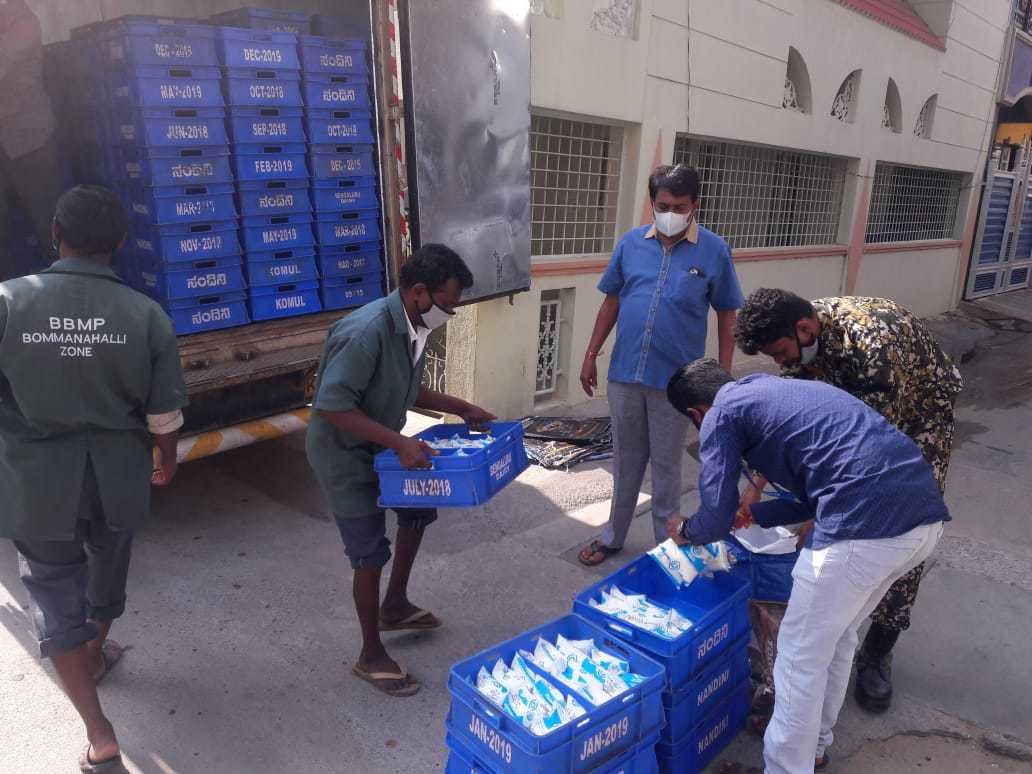
A noticeable reduction in milk procurement by hotels across Bengaluru is emerging as an early signal of shifting urban consumption patterns, with implications for both the city’s food economy and its dairy supply chain.
Industry estimates suggest that institutional buyers, particularly in the hospitality sector, have scaled back milk orders in recent weeks, reflecting operational adjustments amid fluctuating demand and cost pressures.
For a city where food services form a significant part of the urban economy, even marginal changes in bulk consumption can ripple across supply networks. Hotels, cafes, and catering units are among the largest consistent buyers of milk, using it across beverages, desserts, and processed food items. A contraction in this segment not only affects immediate sales volumes but also disrupts demand forecasting for cooperatives and private distributors.According to senior representatives in the hospitality sector, reduced footfall during specific periods, alongside cost optimisation strategies, has led establishments to trim procurement volumes. Some operators are also revisiting menu offerings and portion sizes to manage input costs more efficiently. In a competitive urban market, such recalibrations are often driven by the need to maintain price stability for consumers while navigating rising operational expenses.On the supply side, dairy distributors and cooperatives are feeling the impact of these shifts.
Bengaluru’s milk ecosystem relies on a delicate balance between household consumption and institutional demand. When bulk buyers reduce intake, it can lead to temporary surpluses, affecting pricing strategies and inventory management. Industry observers note that such fluctuations can influence farmer incomes if sustained over longer periods, particularly in peri-urban regions supplying the city.Urban planners and food system experts highlight that these developments underline the importance of resilient and diversified supply chains. As cities expand and consumption patterns evolve, reliance on a narrow set of high-volume buyers can create vulnerabilities. Encouraging decentralised distribution channels, including direct-to-consumer models and localised processing, could help stabilise demand cycles.The trend also intersects with broader sustainability concerns. Reduced wastage and optimised procurement can contribute to lower carbon footprints within the urban food system. However, sudden demand contractions without adaptive mechanisms may lead to inefficiencies upstream, including surplus production and logistical challenges.Looking ahead, stakeholders expect demand to stabilise as seasonal consumption patterns shift and urban activity levels normalise.
For Bengaluru, the episode serves as a reminder that even routine commodities like milk are deeply embedded in the city’s economic fabric, linking urban lifestyles with regional agricultural systems. Strengthening this linkage through better data, planning, and infrastructure will be critical to ensuring both economic resilience and sustainable growth.
Also Read:Bengaluru Water Bill Settlement Offers Relief On Dues
