


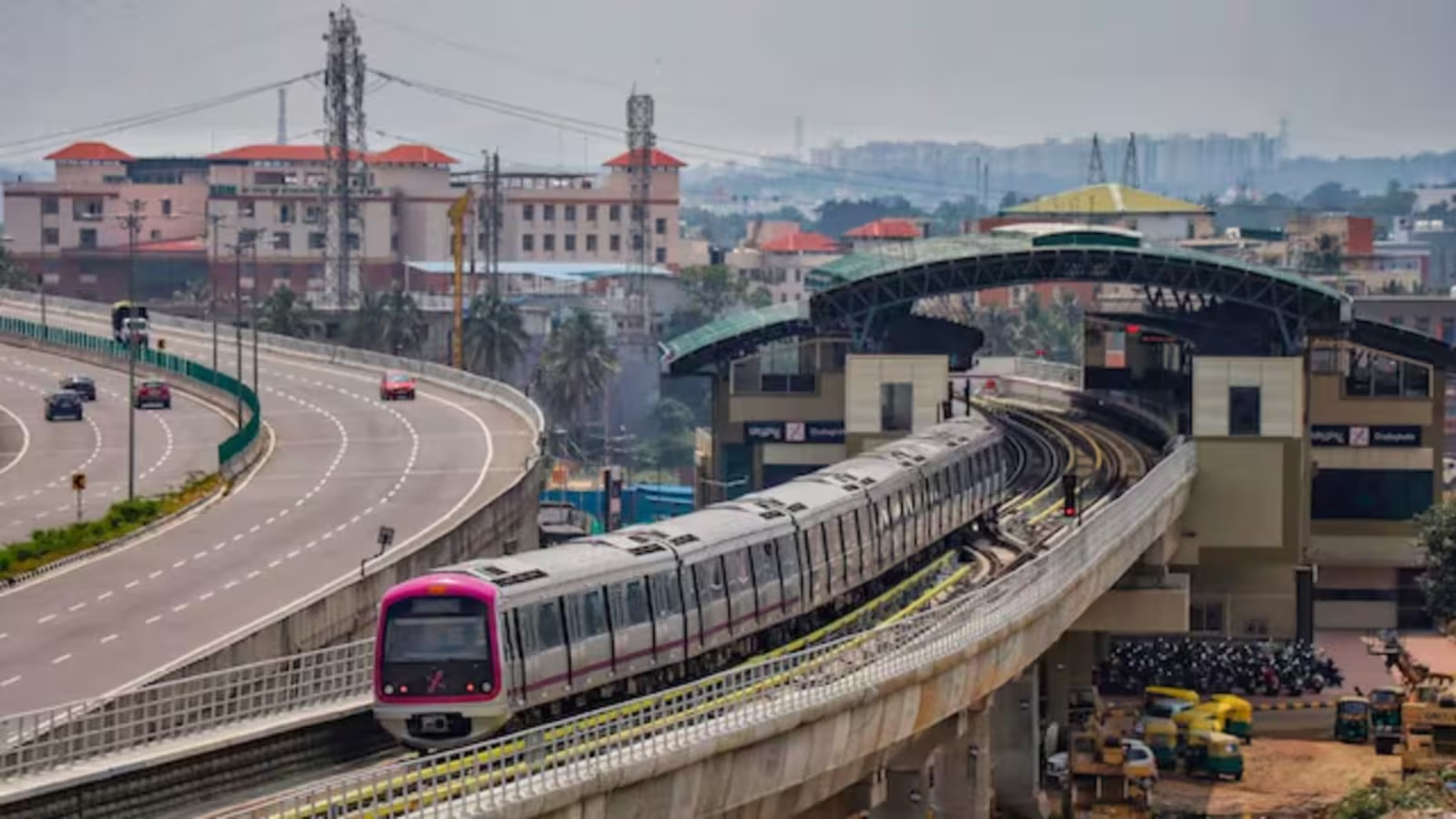
Bengaluru Metro Revises Fare Hike After Public Outcry, Caps Increase at 71%
Bengaluru Metro passengers can breathe a sigh of relief as the Bengaluru Metro Rail Corporation Limited (BMRCL) announced a revised fare structure that reduces the maximum fare hike from an initially proposed 100% to a more moderate 71%. This decision came following intense public criticism and intervention from Karnataka Chief Minister Siddaramaiah.
The revised fare structure is set to be implemented by Friday, with BMRCL managing director M Maheshwar Rao confirming the changes. Despite the revision, the minimum and maximum fares will remain the same at ₹10 and ₹90, respectively. The fare revision followed a storm of public protests, with commuters expressing frustration over the steep hike, particularly after some routes saw fares more than double. Chief Minister Siddaramaiah, responding to the public outcry, directed BMRCL to reassess what he called an “abnormal” increase. On social media, the CM urged the metro authorities to fix the discrepancies and lower fares where the increase was excessive, emphasising the need to protect commuter interests. “Commuter interests must be safeguarded,” Siddaramaiah posted on X (formerly Twitter), underscoring the need for a fair pricing system for the metro service.
BMRCL had initially proposed a 105% hike, based on recommendations from the Fare Fixation Committee (FFC). This increase was intended to bring about an average annual rise of 6.87% over seven-and-a-half years. The FFC’s guidelines are legally binding under the Metro Railways (Operations and Maintenance) Act. However, BMRCL had initially sought a more modest 14% annual increase before applying any discounts. BMRCL’s press release confirmed that approximately 46% of daily commuters, or about 2.91 lakh passengers, would benefit from the revised fare structure, highlighting the corporation’s effort to balance the needs of the service and the affordability for passengers.
Despite the fare revision, there has been a noticeable decline in metro ridership following the fare hike. According to BMRCL, the number of daily commuters dropped by 8-10% in the first few days after the fare change was implemented. On February 11, ridership fell to 8.28 lakh, down from a previous average of 8.8 lakh. By February 13, the number further dropped to 7.62 lakh, illustrating how the fare increase may have led to a dip in passenger numbers. The fare hike and its subsequent revision highlight the delicate balance BMRCL must maintain between generating revenue for service improvements and ensuring that the metro remains an affordable and attractive transportation option for the city’s residents.
With the revised fare structure now in place, commuters in Bengaluru will continue to benefit from the metro system, which is a vital part of the city’s transport infrastructure. However, the ongoing concerns about ridership and fare affordability will likely keep the issue of metro fares on the agenda for the government and metro authorities. The authorities must ensure that the metro remains an accessible option for the city’s ever-growing population while maintaining the financial sustainability of the service. For now, passengers will have to wait and see how the changes affect daily ridership and whether any further fare revisions are needed in the future.
