Bengaluru Metro Prepares Detailed Project Report For Tumakuru Corridor Expansion
Bengaluru is taking a key step toward expanding its Namma Metro network with the preparation of a detailed project report (DPR) for the proposed Tumakuru corridor. The Bangalore Metro Rail Corporation Ltd (BMRCL) has awarded the contract to Aarvee Engineering Consultants at a cost of over Rs 1.2 crore. The DPR, expected within five months, will assess technical, financial, and operational feasibility, marking a significant phase in connecting Bengaluru with its growing industrial suburbs.
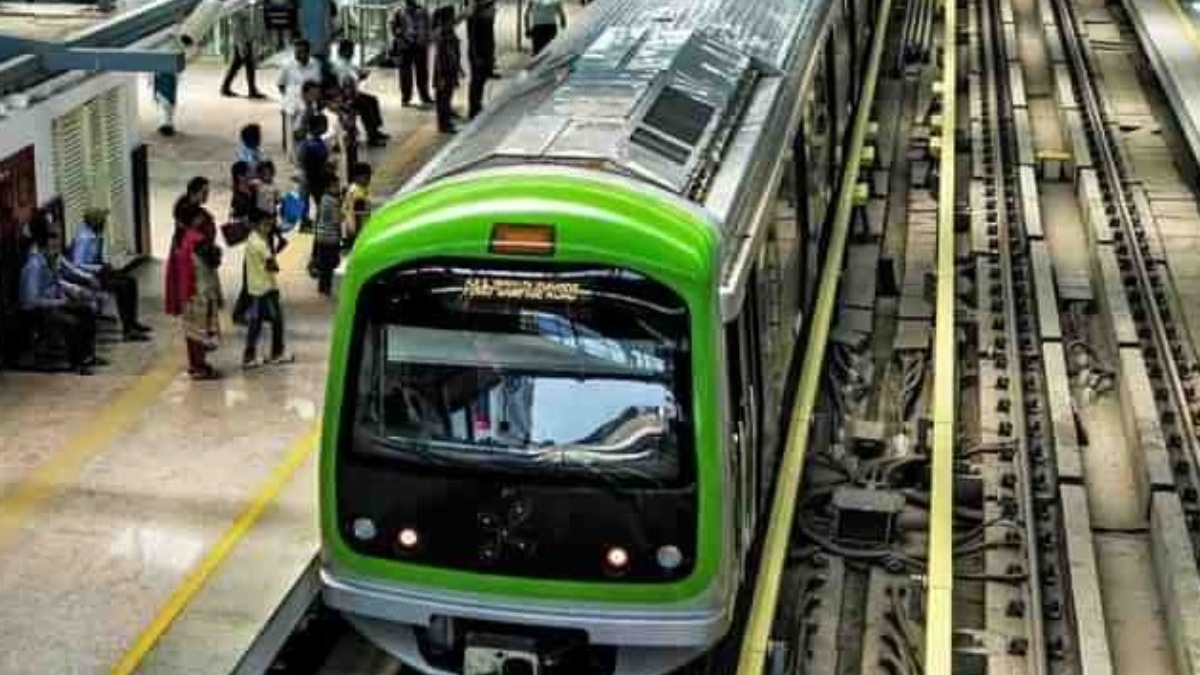
The proposed corridor will start near the Bangalore International Exhibition Centre in Madavara and pass through Neelamangala, Dabaspete, and Kyathasandra before reaching Tumakuru. The plan includes 25 elevated stations, extending the current Green Line, which currently operates 33.4 km between Madavara and Silk Institute with 31 functional stations.Tumakuru’s industrial growth has increased calls from business leaders, politicians, and government officials for a rapid transit link to Bengaluru. Preliminary studies anticipate that the metro corridor could accommodate 15,000 passengers per hour in one direction, highlighting the potential demand for high-capacity suburban transport. Analysts say such connectivity could reduce travel times, ease road congestion, and enhance regional economic activity.
The DPR tender attracted three bidders, with Aarvee Engineering Consultants selected to conduct detailed assessments covering route alignment, station design, cost estimates, and environmental impact. Once completed, the report will be submitted to the central government for approval. Officials emphasise that the DPR will play a pivotal role in determining whether the corridor is technically viable, economically sustainable, and compatible with long-term urban mobility objectives.Experts note that metro systems are traditionally designed for intra-city travel, and extending services to suburban corridors presents operational and financial challenges. However, integrating fast, high-capacity transit with industrial hubs aligns with Bengaluru’s broader goal of sustainable, low-carbon urban mobility, providing a cleaner alternative to conventional road transport.
The Tumakuru corridor study reflects a growing trend in Indian urban planning: using metro networks not just for city commuting but also as instruments of regional economic development. If realised, the extension could serve as a model for connecting emerging industrial suburbs with metropolitan centres, balancing commuter efficiency, environmental sustainability, and inclusive urban growth.