


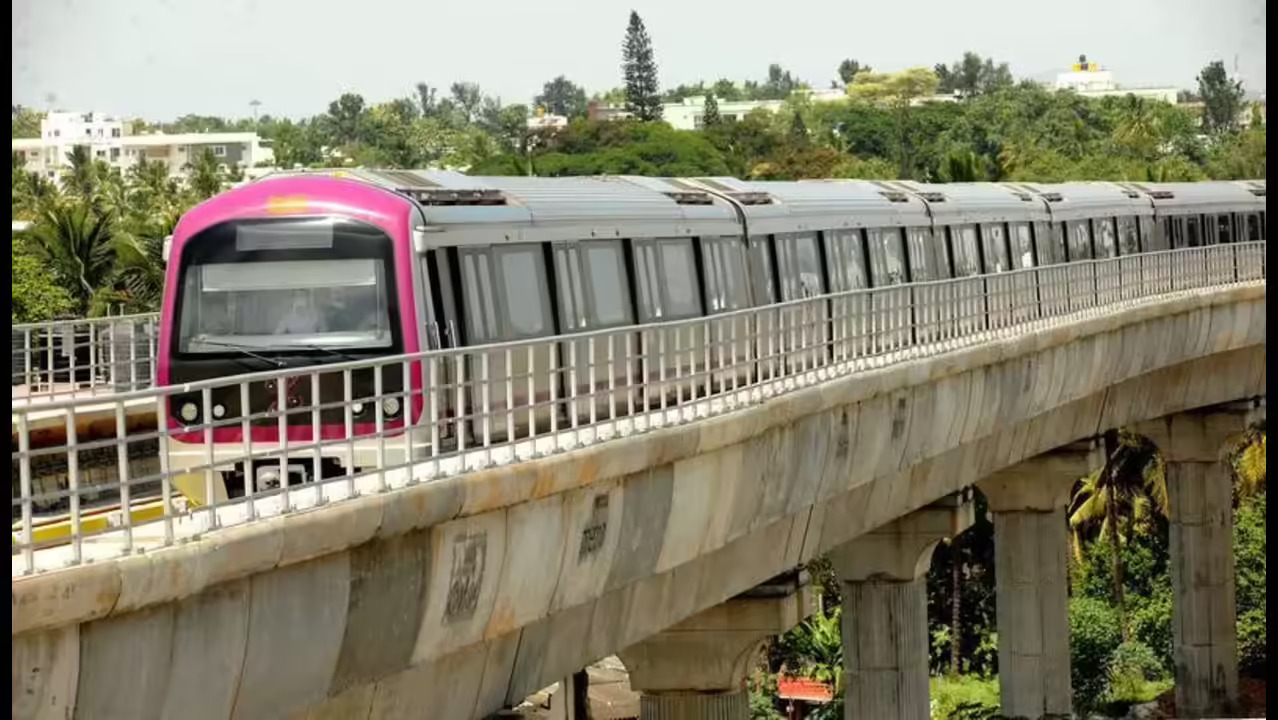
Officials have revised down the estimated tree loss for Bengaluru Metro Phase 3 from 11,000 to approximately 6,800. This comes after an internal review by the environment division of the Bengaluru Metro Rail Corporation Ltd (BMRCL), prompted by rising public concern over the project’s impact on the city’s diminishing green cover. While early estimates had triggered alarm among environmentalists, the updated figures reflect a more calibrated approach.
According to officials, not all 6,800 trees will be felled — a combination of cutting, transplanting, and retention will be followed depending on the feasibility at each site. The final numbers, they noted, will only be confirmed during actual field-level execution. The reassessment follows a series of public consultations and growing demands for transparency from citizen groups and environmental advocates. These groups have asked for granular data on the trees marked for felling, including their location, species, age, and status—whether they would be pruned, cut, or transplanted.
Experts present during consultations stressed the need for accountability in previous compensatory plantation efforts, questioning the survival rate of trees that were relocated during earlier phases of metro construction. The lack of publicly accessible monitoring data has led to concerns over the credibility of replantation commitments. Addressing queries about environmental degradation, officials conceded that while metro construction does contribute to air and noise pollution, it is not the sole contributor in a rapidly urbanising city. They also clarified that for each tree removed under Phase 3, ten new saplings would be planted within city limits, with a maintenance guarantee of three years.
The Environmental Impact Assessment (EIA) report for Phase 3 is currently being finalised and is expected to be published by October. Authorities have confirmed that feedback from citizens and NGOs has been actively sought and documented as part of the process. Once completed, Phase 3 will expand the city’s metro network by 44 km, enhancing connectivity to the dense traffic zones along Bengaluru’s western Outer Ring Road. This corridor is vital for easing vehicular congestion and improving sustainable mobility across one of the city’s most overburdened stretches.
The recalibrated tree loss figures signal an attempt to address the conflict between urban expansion and ecological preservation. While much will depend on execution and transparency, the reduction in numbers offers a measure of reassurance to concerned citizens who remain invested in ensuring Bengaluru’s metro growth does not come at the cost of its ecological future.
Also Read : Indian Railways To Operate 262 Special Trains For Ganesh Festival
