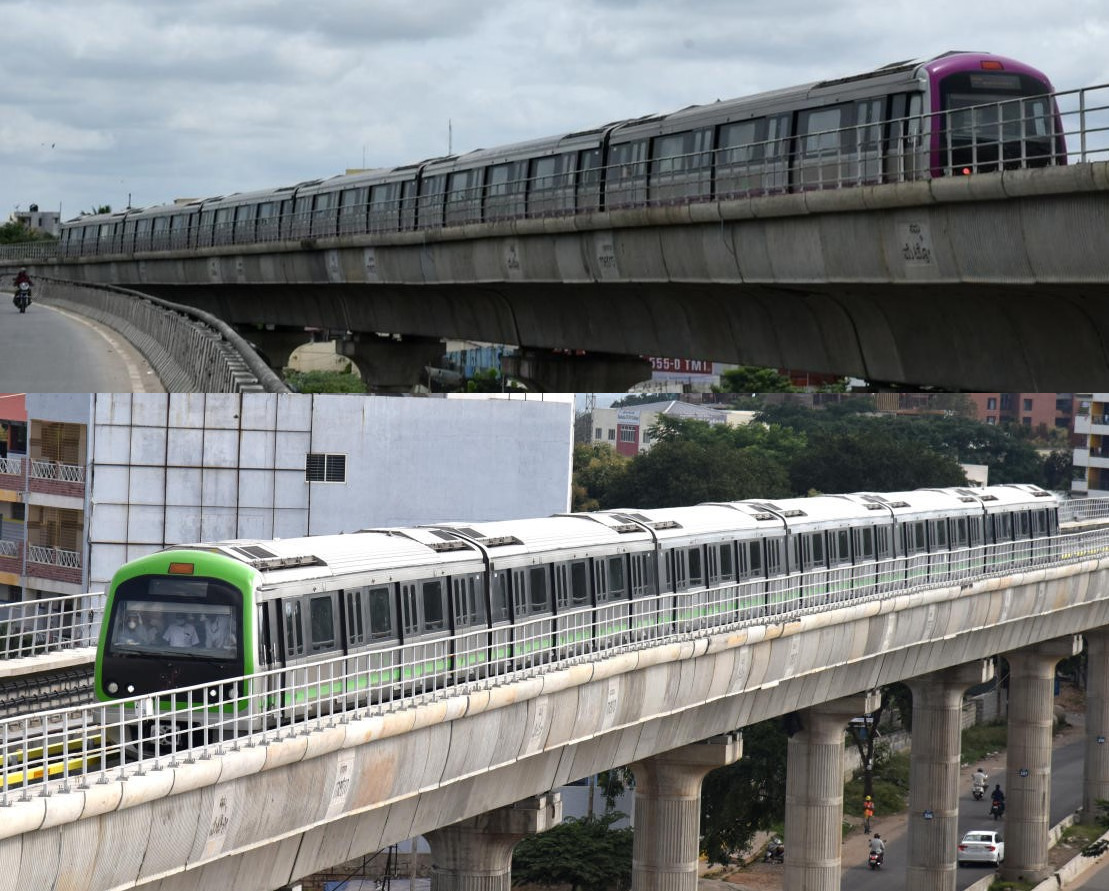
Bengaluru Metro Phase 3 Spurs Outcry Over Tree Cutting Plan
As Bengaluru gears up for the much-anticipated Phase-3 expansion of its Metro network, a wave of environmental concern has surged across the city. The proposed 44.6-km elevated project may impact over 11,000 trees, sparking citizen outrage and calls for realignment. In response, Bengaluru Metro Rail Corporation Ltd has scheduled a three-day public consultation beginning Monday to hear objections and suggestions from environmentalists, citizens, and urban experts. While some argue for route redesigns to protect tree cover, others underscore the Metro’s long-term eco-benefits, insisting sustainable urban transport remains crucial for Bengaluru’s future.
The public consultations are centred on the potential ecological impact of the Phase-3 project, which aims to connect densely populated western corridors to the existing Metro network. Officials clarified that the figure of 11,137 trees includes both potential felling and possible transplantation, depending on further feasibility assessments. However, experts argue that re-aligning the project even slightly could dramatically reduce the environmental damage. Similar precedents in the city have shown that route alterations can preserve significant green cover without derailing infrastructure timelines. Concerns have also been raised over the accuracy of the tree count in the Detailed Project Report. Several urban analysts have questioned the estimate, pointing out that an average of over 250 trees per kilometre appears inflated. They have urged BMRCL to conduct a ground-level survey and publicly release a verified tree census.
Such transparency, they argue, is essential to build public trust and ensure that development decisions are backed by evidence rather than assumptions. Residents are also demanding a clear mitigation plan, including compensatory afforestation and tracking of transplanted trees. Despite the backlash, a segment of the public recognises the necessity of expanding Bengaluru’s public transport infrastructure. They argue that while tree conservation is vital, Metro projects offer long-term reductions in vehicular emissions and congestion, thereby indirectly benefiting the environment. Compared to other large-scale infrastructure such as tunnel roads or flyovers, Metro systems have a smaller carbon footprint in the long run. Citizens are urging the authorities to adopt a balanced approach—prioritising both green cover and sustainable mobility.
The Metro Phase-3 plan includes two new corridors: one connecting JP Nagar 4th Phase to Kempapura over 32.1 km, and another linking Hosahalli to Kadabagere, covering 12.5 km. As both corridors are fully elevated, tree clearance becomes a contentious issue. The consultations now underway are seen as an opportunity to reimagine the project with minimum ecological disruption. Experts insist that Bengaluru, as a fast-growing urban centre, must uphold the values of climate resilience and public participation while expanding critical infrastructure.