


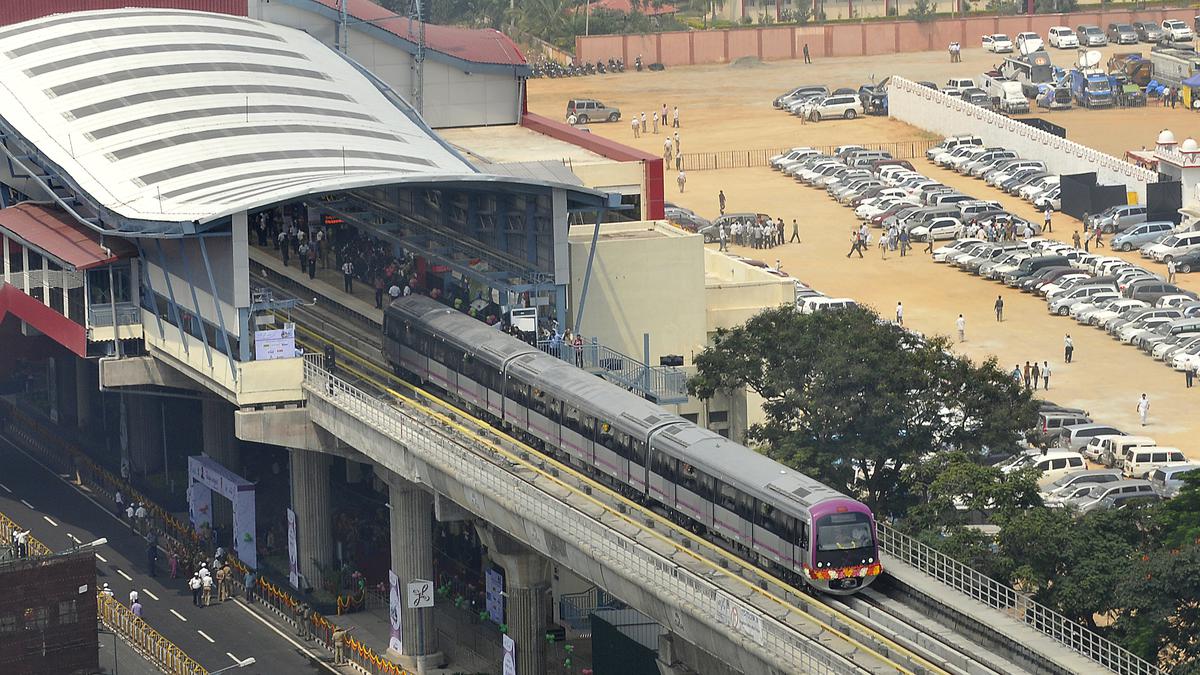
Bangalore Metro Rail Corporation Limited (BMRCL) has entered into a long-term agreement to deploy shared telecom infrastructure across Phase 2 of the Namma Metro project. The initiative is expected to enhance mobile connectivity on the expanding metro network, facilitating seamless access to high-speed data and voice services during daily commutes. BMRCL has signed a 13-year licensing agreement with a private firm specialising in digital infrastructure solutions.
Under the agreement, the selected partner will install, operate, and maintain comprehensive telecom infrastructure across key corridors of Phase 2, including Reach-5 and Reach-6, as well as the four extensions of Phase 1. The infrastructure will include In-Building Solutions (IBS), Base Transceiver Stations (BTS), telecom towers, and poles designed to support multiple mobile network operators. Officials confirmed that this shared infrastructure model will eliminate the need for redundant installations by individual operators and reduce the overall cost and time required for mobile service rollouts. The system is designed to accommodate both current 4G networks and future-ready 5G technology, ensuring that the metro system stays aligned with evolving digital standards.
With this upgrade, commuters can expect uninterrupted mobile coverage throughout their journey across new and existing metro lines. Given Bengaluru’s growing reliance on metro travel, particularly in the city’s technology corridors and suburban expansions, improved digital access is expected to serve both daily passengers and businesses reliant on high-speed mobile communication. Industry experts highlighted that urban transit systems are increasingly becoming hubs of connectivity and data usage. As cities move toward smarter, more integrated transport infrastructure, seamless digital access is no longer a luxury but a necessity. Bengaluru’s initiative aligns with the broader national and global trend of integrating public transport with digital infrastructure to build smart, inclusive, and sustainable urban environments.
The telecom infrastructure will be designed to reduce the city’s digital divide while supporting equitable access to mobile services across demographic groups. Furthermore, the installation and maintenance of shared towers and antennas within metro stations will follow green building norms, contributing to the city’s carbon-neutral mobility goals. While the deployment schedule is expected to be rolled out in phases in line with the metro network’s operational readiness, authorities indicated that preliminary installation work will commence shortly, with timelines aligned to passenger demand and technical feasibility.
This step by BMRCL not only underscores its commitment to improving commuter services but also reflects a broader urban shift toward sustainable, connected, and future-ready transport ecosystems.
Also Read : Chennai Metro to Construct Multi-Storey Commercial Building at Arumbakkam Station Soon
