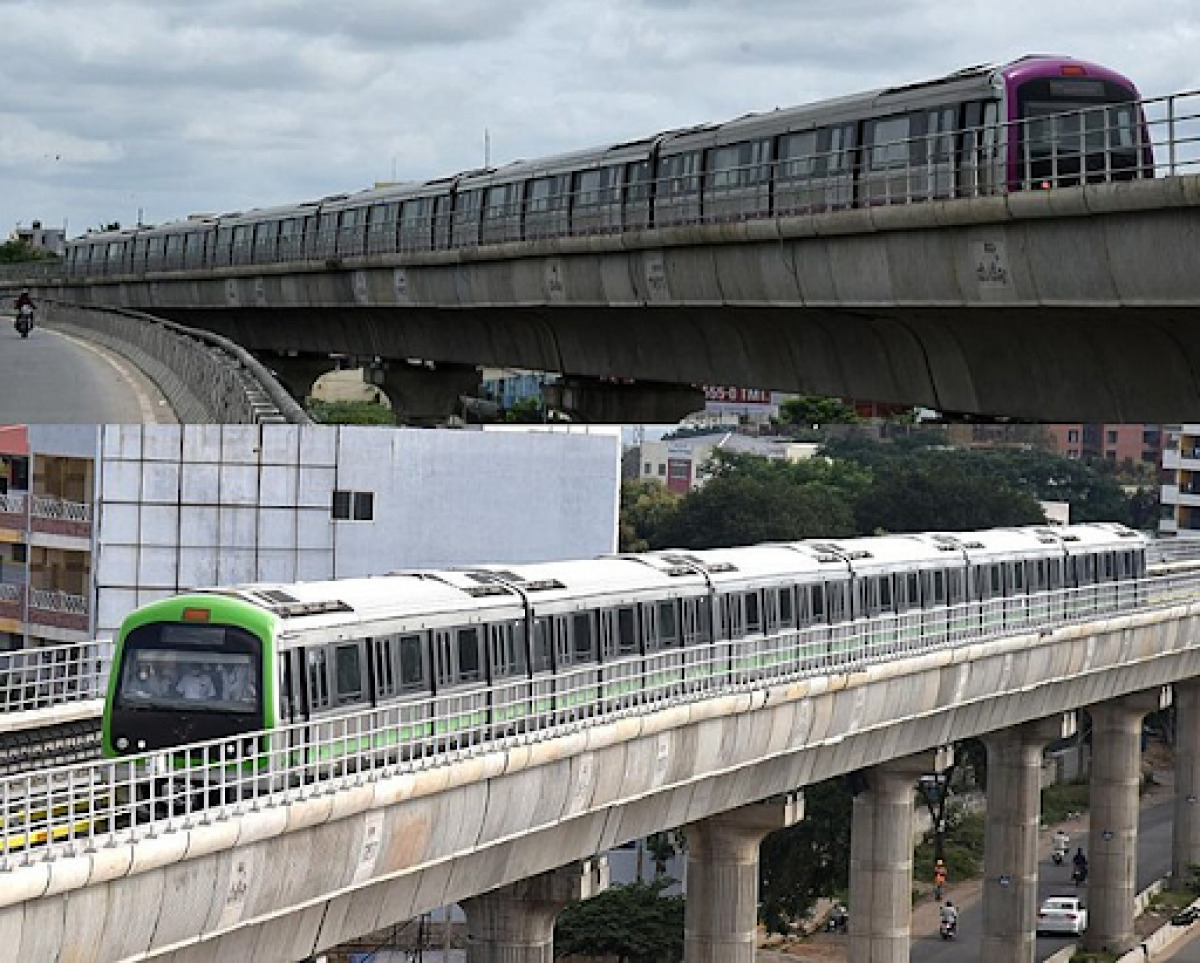
Bengaluru’s mass transit expansion entered a decisive phase this week as the city’s metro operator formally initiated procurement for large-scale civil works under Phase Three of the network. The move unlocks construction activity along the proposed Orange Line, a corridor designed to address severe congestion across western and southern neighbourhoods while integrating metro infrastructure with existing road space.
The tendering process covers three substantial construction packages with a combined estimated value exceeding ₹4,000 crore. These packages focus on elevated metro infrastructure, stations and integrated rail-cum-road structures along high-traffic corridors where land availability remains constrained. Urban transport specialists view this step as critical for maintaining momentum after central clearance for Phase Three, which had been secured earlier but saw delayed execution. Phase Three is strategically significant for Bengaluru’s mobility transition. Unlike earlier metro phases that largely followed standalone alignments, the Orange Line introduces double-decker corridors where metro viaducts and road flyovers share vertical space. This approach is intended to minimise land acquisition, reduce displacement and preserve road capacity in dense urban zones. Officials involved in the planning say the model reflects lessons learned from previous phases where prolonged construction disrupted local economies.
One of the tender packages focuses on a central stretch that includes multiple elevated stations and a long rail-cum-road flyover, along with junction redesign, demolition of an existing flyover and extensive utility relocation. Another package addresses elevated sections and stations across residential and commercial clusters along Mysuru Road and surrounding areas. The third package spans multiple corridors, combining elevated metro sections, station works and depot connectivity, highlighting the operational complexity of the phase. From a city economy perspective, the scale of the contracts is expected to stimulate employment across construction, engineering and allied services over the next several years. Industry observers note that large infrastructure tenders of this nature typically attract both domestic and international contractors, increasing competition and potentially improving execution standards.
The environmental implications are equally significant. Urban planners point out that high-capacity metro corridors are central to Bengaluru’s climate resilience strategy, offering a viable alternative to private vehicles in a city grappling with rising emissions and declining air quality. Integrating metro lines with road infrastructure also helps limit further road widening, preserving urban land for civic and green uses. However, challenges remain. Double-decker construction demands precise sequencing to avoid prolonged traffic disruption, and coordination between multiple agencies will be crucial. Previous metro phases have faced criticism over delays and cost escalation, making timely execution a key test for Phase Three governance.
Tender documents will remain open on the central procurement platform for several weeks, with technical evaluations scheduled soon after. As bids move towards award, attention will shift to execution timelines and traffic management plans factors that will ultimately determine whether Phase Three delivers not just new tracks, but a more liveable and connected Bengaluru.