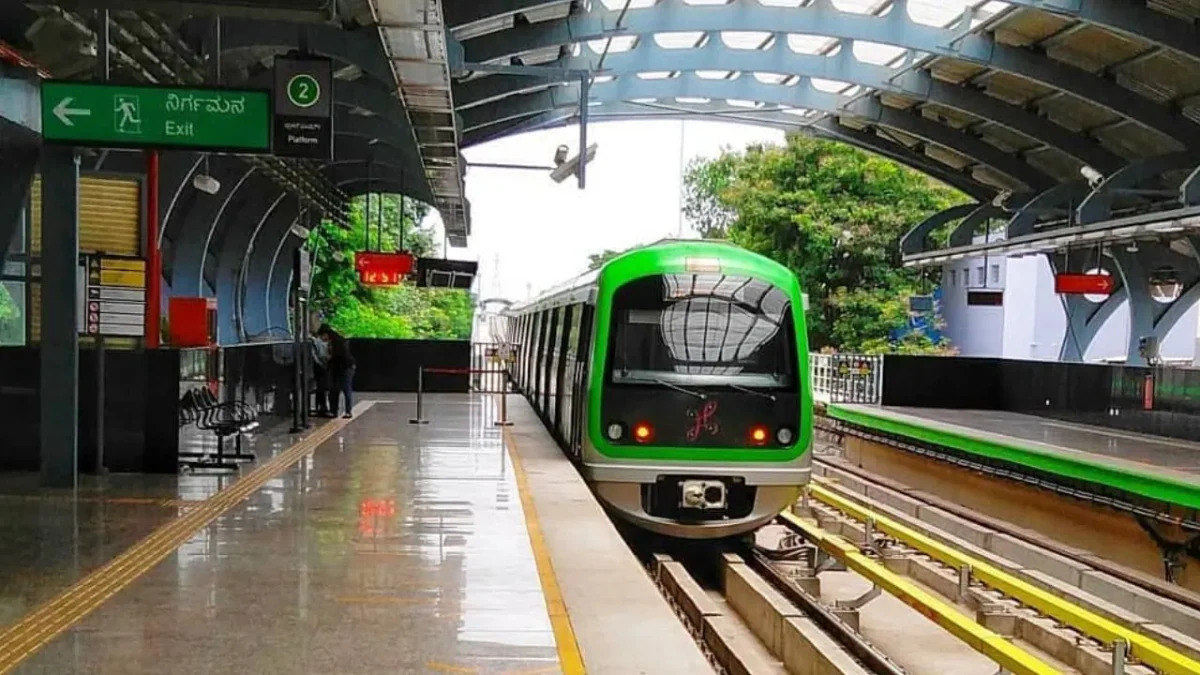
Bengaluru Metro Fare Revision Reshapes Daily Commuting
Bengaluru’s urban transit ecosystem is entering a new phase of price calibration as the city’s metro network prepares to implement a modest, formula-driven fare adjustment beginning February 9. The change marks the operational rollout of an automatic annual revision mechanism, designed to align passenger tariffs more closely with rising operational costs while avoiding disruptive, one-time hikes. For a city grappling with congestion, air quality challenges, and long commute times, the pricing shift carries implications beyond ticket counters. Daily commuters will see marginal increases ranging from ₹1 to ₹5 depending on distance, translating to an overall rise of 4–10 per cent. While the numbers appear small, the policy signals a structural change in how urban mobility services are priced and sustained.
The revision stems from a cost-indexation framework tied to audited operating and maintenance expenses. Although cost pressures indicated a higher upward adjustment, the metro operator capped the increase at five per cent, reflecting a safeguard built into the fare formula. Urban transport economists note that such mechanisms are increasingly common in global metro systems, where predictable, incremental fare changes help preserve financial stability without eroding ridership trust. Crucially for Bengaluru’s large base of office commuters and service workers, existing fare incentives remain intact. Smart card and NCMC users will continue to receive discounted travel during off-peak hours, weekends, and designated public holidays. These concessions, according to mobility planners, play a quiet but critical role in spreading demand across the day and reducing peak-hour pressure on trains and stations.
The Bengaluru Metro fare revision also applies to group and tourist passes, signalling a uniform approach to fare rationalisation across rider categories. Transport officials argue that spreading small adjustments annually is less disruptive than sporadic, sharp increasesan issue that drew public criticism during the previous major fare overhaul. From a broader urban development lens, predictable fare policy supports long-term planning for transit-oriented development, real estate densification near stations, and climate-aligned mobility goals. Stable revenue flows enable metro operators to maintain service quality, invest in energy-efficient systems, and improve last-mile integration areas where Bengaluru continues to face gaps.
However, commuter advocacy groups caution that even incremental increases must be matched with visible service improvements, particularly in station accessibility, feeder connectivity, and reliability. Without these, affordability concerns could resurface, especially for lower-income riders who rely on public transport as a daily necessity rather than a choice. As Bengaluru expands its metro footprint deeper into suburban corridors, the success of this annual fare model will depend on transparency, service delivery, and the city’s ability to keep mass transit competitive against private vehicles. The coming year will test whether gradual pricing reforms can coexist with the promise of a more inclusive, low-carbon urban mobility system.