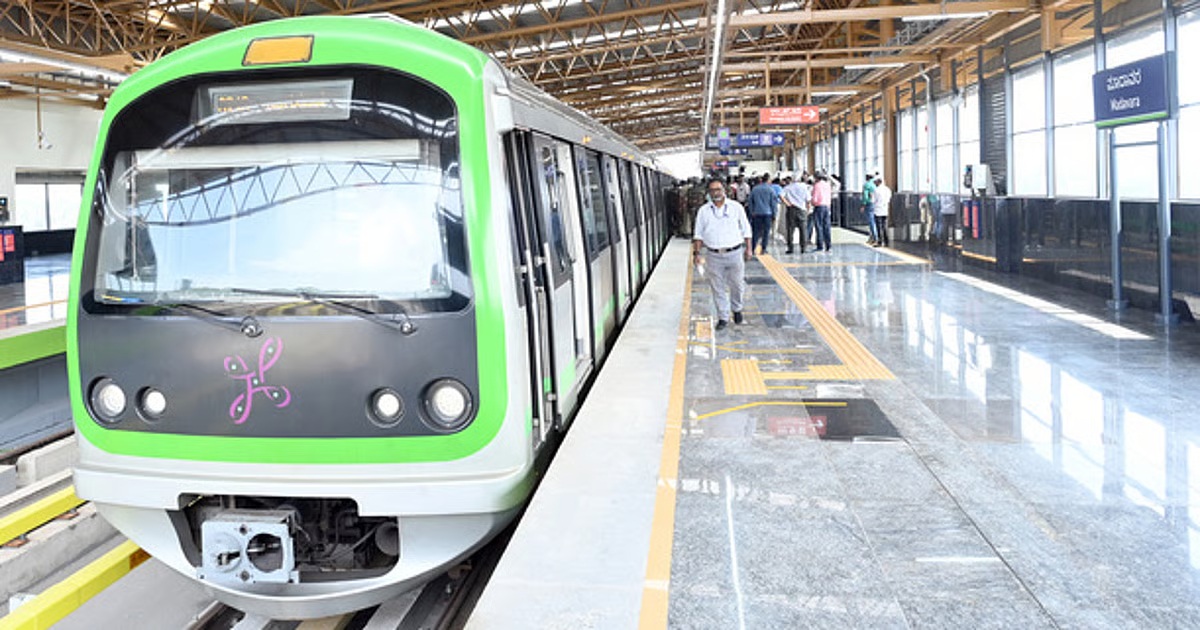
Bengaluru’s latest metro fare revision, announced and then abruptly paused within the span of a single day, has reignited fundamental questions around governance, accountability, and public trust in urban transport decision-making. The episode unfolded at the city’s busiest transit nodes, but its implications extend far beyond ticket prices, touching the financial architecture of mass transit systems across India. The Bangalore Metro Rail Corporation Limited, a joint enterprise equally owned by the Union and state governments, had notified an annual fare revision following recommendations from a statutory Fare Fixation Committee. The increase came barely a year after a steep fare adjustment, intensifying commuter anxiety at a time when urban households are already absorbing higher housing, fuel, and service costs. Within hours of mounting public pressure, the fare revision was put on hold pending a board review.
What followed was a visible shift in political positioning. Public representatives who had earlier described fare setting as entirely a state-level matter subsequently credited Union-level intervention for halting the increase. The contradiction has sharpened scrutiny of how India’s metro systems are governed, particularly in cities pursuing sustainable mobility transitions. Urban transport experts note that metro corporations structured as joint ventures operate in a grey zone of shared authority. While boards include equal representation from both governments, operational independence is constrained by legislation. Under the Metro Railways (Operation and Maintenance) framework, fare committees are constituted to depoliticise pricing and ensure financial viability. Their recommendations are legally binding on metro administrations, limiting discretionary reversals without procedural review.
This institutional design is intended to protect long-term infrastructure financing, but critics argue it weakens democratic accountability. “When fares rise sharply without a transparent public explanation, commuters feel excluded from decisions that directly affect daily mobility,” said an urban policy analyst familiar with metro financing models. For a city aiming to reduce private vehicle dependence and carbon emissions, fare volatility risks pushing riders back to roads, undermining climate and congestion goals. The Bengaluru metro fare hike has also highlighted deeper fiscal tensions. Metro systems depend heavily on farebox revenue to cover operating costs, yet affordability remains central to inclusive urban growth. Transport economists warn that repeated increases without parallel service improvements erode public confidence and disproportionately impact lower-income commuters, women workers, and informal sector employees who rely on predictable transit costs.
From a governance standpoint, the episode underscores the need for clearer communication protocols between metro boards, governments, and the public. Industry observers suggest that fare revisions should be accompanied by published impact assessments, service benchmarks, and phased implementation plans aligned with household income trends. As Indian cities expand their rail networks to meet sustainability and resilience targets, the Bengaluru metro fare hike serves as a reminder that infrastructure success is not measured only in kilometres built, but in the credibility of the systems that manage them. The next steps board deliberations, policy clarifications, and stakeholder engagement will determine whether urban transit remains a trusted public good or a contested political instrument.