Bengaluru Metro Faces Rising Civic Discipline Challenges
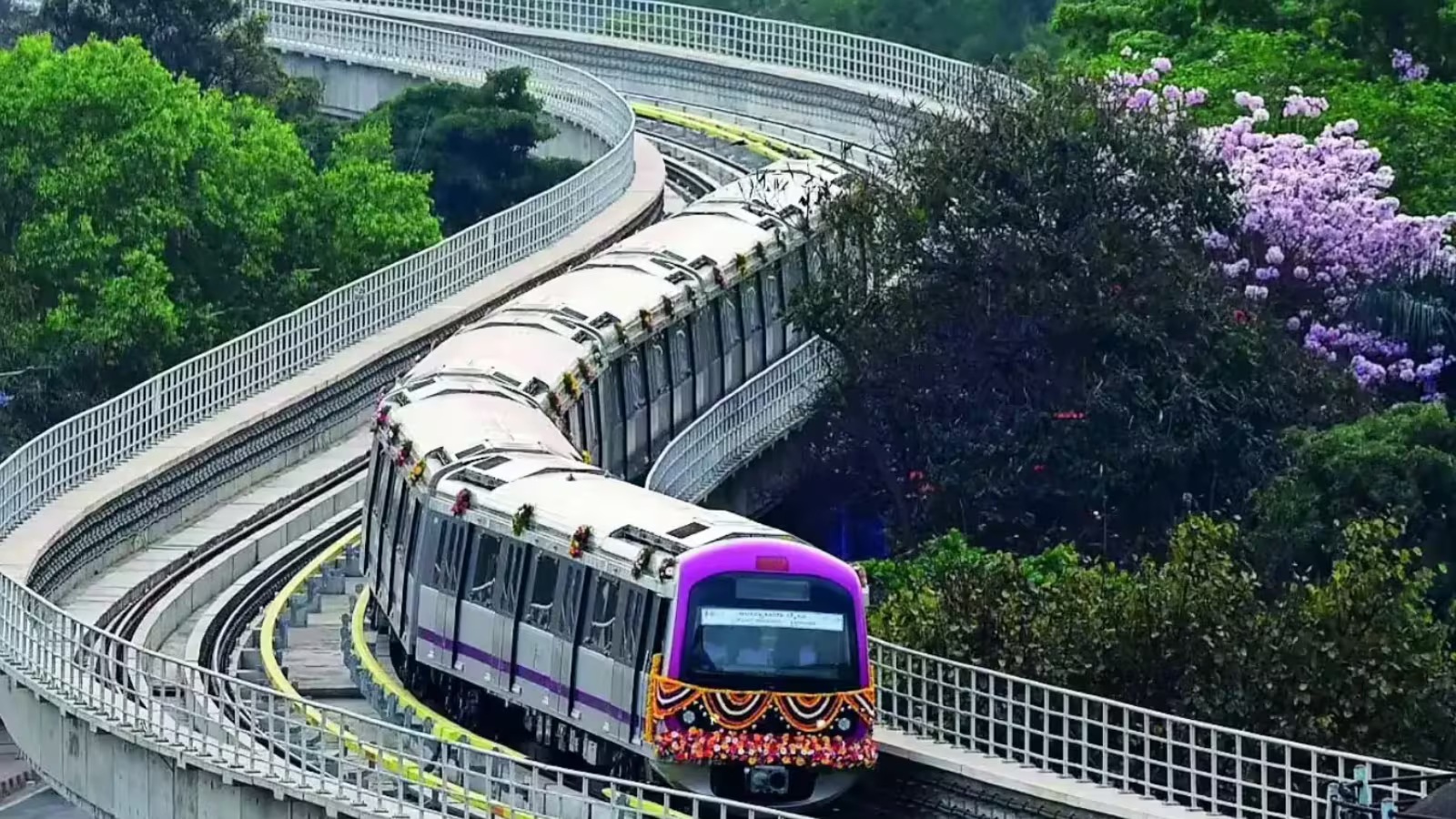
Bengaluru’s metro system, often cited as a backbone of the city’s low-emission mobility transition, is confronting a quieter but consequential challenge: commuter behaviour. Over the past year, nearly one lakh instances of etiquette violations were recorded inside Namma Metro trains, raising questions about how rapidly expanding urban transport systems can remain inclusive, safe, and dignified as ridership grows.
According to data released by the city’s metro operator, the most frequent issues involved passengers playing audio at high volumes without earphones and the misuse of priority seating intended for senior citizens, pregnant women, and people with disabilities. Smaller but persistent violations such as eating onboard and the use of tobacco products were also flagged. While none of these infractions are new to mass transit systems globally, the scale at which they are occurring highlights a deeper civic management challenge in India’s fastest-growing metropolitan regions. Urban planners note that behavioural friction often emerges when infrastructure expansion outpaces social adaptation. Bengaluru’s metro network has added corridors, stations, and digital ticketing options in recent years, successfully drawing commuters away from private vehicles. However, increased footfall also intensifies pressure on shared spaces, where norms of mutual respect are essential for functionality. In this context, Bengaluru Metro etiquette is not merely about courtesy it directly affects accessibility, gender safety, and commuter confidence.
To address the issue, the operator deployed onboard sensitisation teams supported by uniformed civic personnel. Rather than focusing on penalties alone, the initiative prioritised counselling and awareness, reflecting a shift towards people-first transit governance. Transport policy experts suggest such approaches are critical for sustainable urban systems, particularly in cities aiming to reduce carbon emissions by promoting public transport over private cars. The issue also carries economic implications. Daily disruptions, discomfort, or perceived safety concerns can discourage ridership, undermining long-term investments in mass transit and adjacent transit-oriented real estate development. For businesses and employers, reliable and dignified commuting environments are increasingly tied to workforce productivity and talent mobility.
The timing is notable, as the metro operator has simultaneously expanded digital access through short-duration QR-based passes aimed at occasional and intercity travellers. While this move improves convenience and flexibility, it also widens the commuter base to include first-time and infrequent users, making consistent behavioural standards even more critical. Looking ahead, experts argue that sustaining Bengaluru Metro etiquette will require more than periodic drives. Continuous public engagement, clearer visual cues, and integration of civic behaviour messaging into digital ticketing platforms could help embed norms over time. As Bengaluru positions itself as a model for climate-resilient and inclusive urban growth, the everyday experience inside its metro trains may prove just as important as the infrastructure itself.