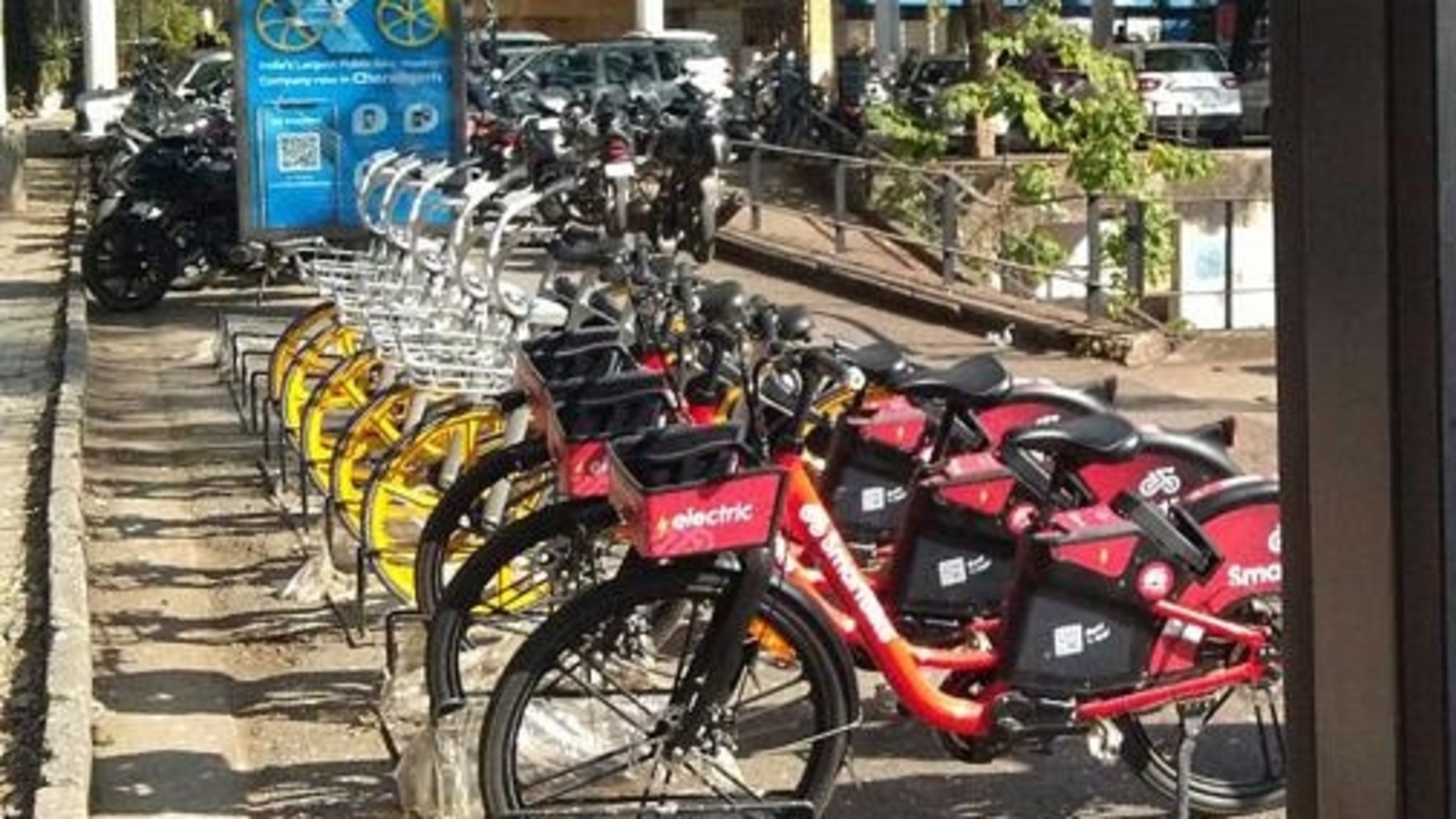
Bengaluru Metro Expands Free Bicycle Parking Access
Bengaluru’s mass transit network is taking a small but consequential step toward cleaner and more inclusive urban mobility. The city’s metro operator has approved free bicycle parking at a limited set of high-traffic stations, a move aimed at easing last-mile travel and nudging commuters away from motorised short-distance trips. For a city grappling with congestion, emissions and uneven access to public transport, the decision signals a practical recalibration of how everyday mobility is supported.
Until now, cyclists using Namma Metro stations were required to pay a nominal hourly fee for parking, capped at a daily maximum. While modest, the charge was often cited by regular commuters and advocacy groups as a friction point especially for those making daily work trips or using bicycles as a feeder mode from residential neighbourhoods to metro corridors. The new policy removes that cost barrier at nine stations identified for high passenger volumes and multimodal demand. Officials familiar with the rollout say the stations were selected based on ridership density, surrounding land use and the potential to integrate cycling with longer metro journeys. The parking facilities will be managed by an external agency responsible for security, upkeep and round-the-clock accessibility, an acknowledgement that poorly maintained cycle infrastructure can quickly discourage use, regardless of price.
Urban transport planners view the move as modest in scale but significant in intent. Bengaluru has invested heavily in expanding its metro footprint, yet last-mile connectivity remains one of the weakest links in the system. Buses are often overcrowded, shared autos add to road congestion, and walking distances can be impractical in peripheral layouts. By making Bengaluru Metro bicycle parking free at select nodes, the operator is effectively positioning the bicycle as a legitimate, everyday extension of rapid transit rather than a recreational afterthought. From an economic perspective, the measure aligns with a growing emphasis on low-cost mobility solutions. For daily wage earners, students and service workers, cycling can cut commute expenses while offering predictable travel times. For the city, higher metro adoption supported by non-motorised access can translate into better asset utilisation without major capital expenditure.
There are also environmental implications. Transport accounts for a substantial share of urban emissions, and short trips contribute disproportionately to pollution. Encouraging cycling for the first and last kilometre reduces dependence on fossil-fuelled modes while easing pressure on station-area traffic. Urban designers note that such interventions work best when paired with safe approach roads, signage and lighting areas where further attention will be needed. The introduction of free Bengaluru Metro bicycle parking is unlikely to transform commuting patterns overnight. However, it reflects a broader shift toward people-first transport planning, where affordability, health and climate considerations intersect. As ridership data and user feedback emerge, the real test will be whether the model is expanded citywide and integrated with safer cycling networks beyond station gates.