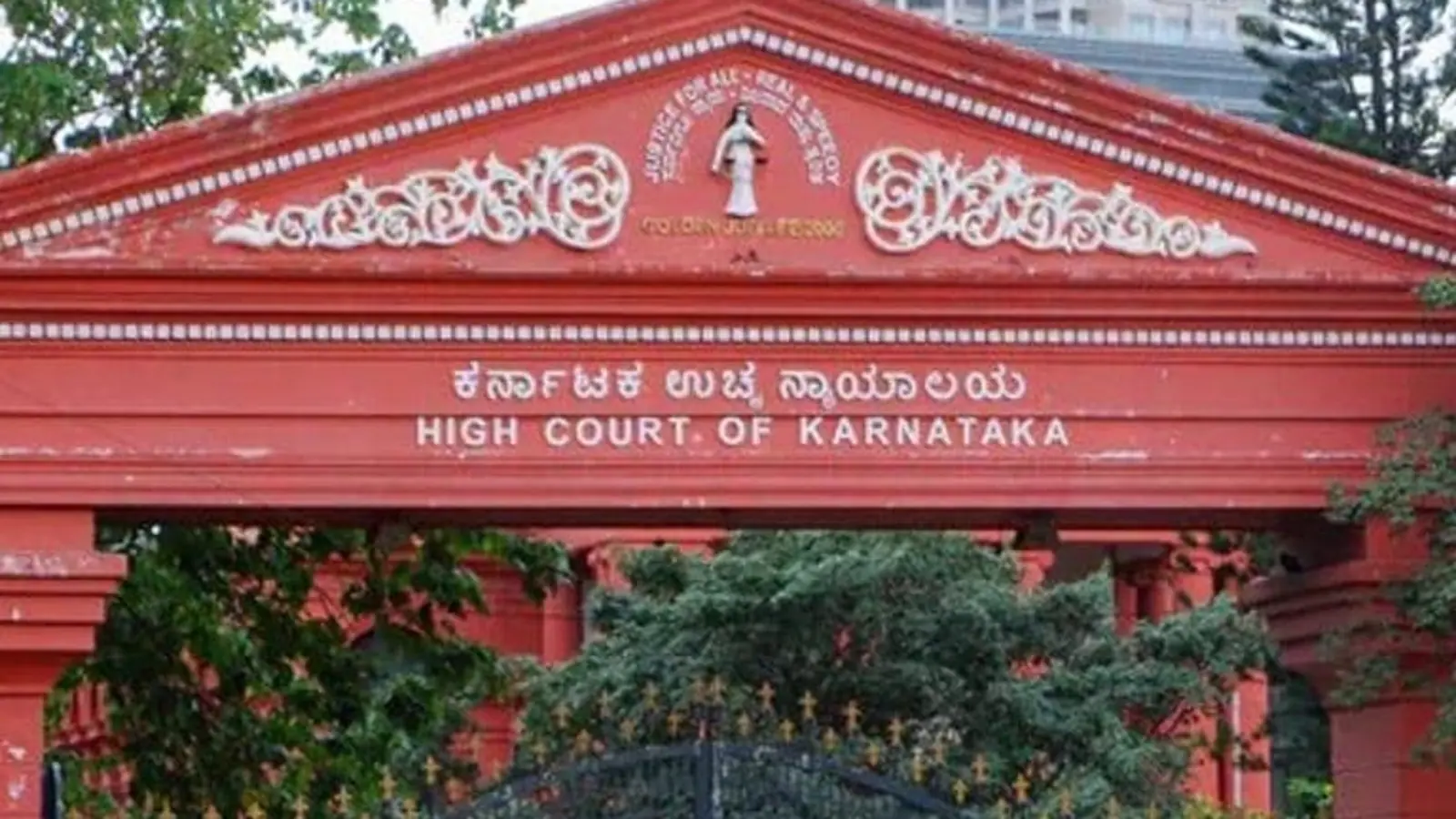
Bengaluru Metro Blue Line Station Plea Rejected, Court Backs BMRCL
In a ruling that underscores the boundaries of judicial oversight in urban transport planning, the Karnataka High Court has declined a public petition seeking the construction of a metro station at Chikkajala on the upcoming Bengaluru Metro Blue Line. The decision places the responsibility for station planning firmly with state authorities and the Bengaluru Metro Rail Corporation Limited (BMRCL).
The bench observed that the determination of metro station locations is an administrative and technical exercise that lies outside the scope of judicial intervention. According to the court, such decisions must be made by competent government bodies based on ridership studies, land use patterns, cost efficiency and long-term urban mobility strategies, rather than judicial mandates.
However, the court directed BMRCL to formally examine a representation submitted by residents in 2022, which requested a station at Chikkajala. Officials have been asked to provide a reasoned response to the appeal, ensuring that citizen concerns are addressed transparently. This is not the first such matter to reach the judiciary; a similar petition demanding a station at Bettahalsuru on the same corridor was dismissed earlier this year.
The Blue Line, currently under construction, is designed to link K R Puram in East Bengaluru with Kempegowda International Airport in the north. The project is a crucial step towards providing sustainable, low-carbon mobility for one of India’s fastest growing cities. The absence of a station at Chikkajala has sparked discontent among residents who argue that the omission reduces accessibility, curtails equitable urban development and risks intensifying private vehicle dependence in the region.
Experts highlight that decisions about station density often require balancing financial prudence with social equity. Adding more stations increases accessibility but also lengthens travel time and escalates project costs. With Bengaluru striving to position its metro as a green, efficient and socially inclusive mode of travel, these debates will continue to shape its urban future.Officials from the state government have stated that planning revisions, if warranted, must be backed by data on population growth, last-mile connectivity needs and ridership forecasts.
Analysts point out that in cities aiming for carbon-neutral development, public transport access is not only a mobility question but also a climate imperative. Denying underserved areas adequate metro connectivity risks undermining the sustainability goals set out in Bengaluru’s urban transport roadmap.While the High Court’s dismissal has limited the immediate scope for intervention, the directive to BMRCL to review the residents’ request ensures that citizen voices remain part of the planning process. For Bengaluru, the challenge lies in balancing cost-efficient infrastructure with equitable, inclusive and eco-friendly transport solutions that serve the city’s long-term future.