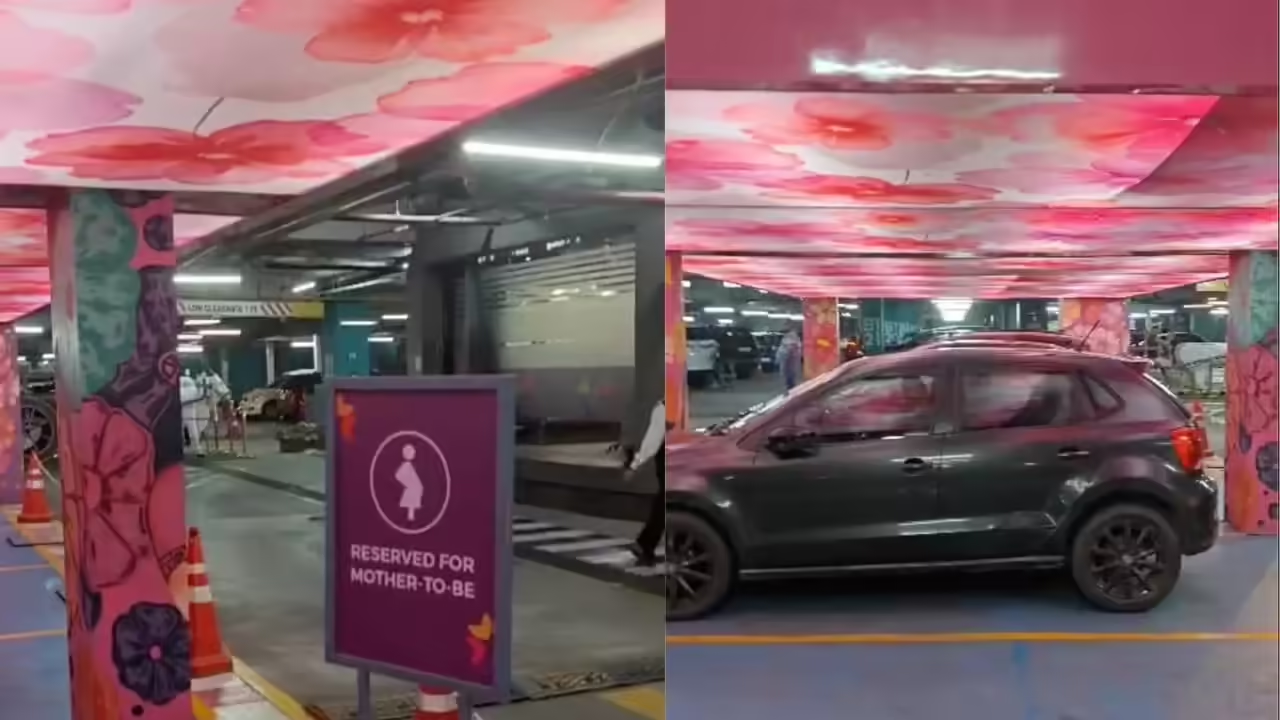
Bengaluru Mall Introduces Dedicated Pink Parking Zone
Bengaluru is witnessing a subtle yet meaningful shift in urban commercial design, with Nexus Mall on Bannerghatta Road introducing a dedicated ‘Pink parking’ zone for expectant mothers. The initiative, highlighted recently by a visitor on social media, reflects a growing trend of user-centric planning in retail spaces and underlines the importance of inclusivity in urban infrastructure. Observers note that even small interventions such as these can have wider implications for accessibility and public space design in India’s cities.
The designated parking area provides expectant mothers with proximity to mall entrances, reducing physical strain and enhancing safety during peak shopping hours. Visitors have responded positively, citing the move as a practical solution to challenges faced by pregnant women navigating busy urban environments. Social media reactions indicate strong public support, with calls for other commercial and civic spaces to adopt similar measures that prioritise convenience and wellbeing for diverse users.Urban design experts view the initiative as part of a broader shift in how retail and public environments are conceptualised. “Allocating parking based on specific user needs demonstrates how thoughtful infrastructure can improve the overall visitor experience while fostering inclusivity,” said an urban planning analyst. By integrating small yet impactful interventions, malls and commercial hubs can contribute to a more humane and accessible cityscape.
Centre director of Nexus Mall, Dhanasekaran Ramachandran, emphasised that the Pink parking facility is aligned with the organisation’s broader focus on designing spaces that respond to real-life challenges rather than simply accommodating footfall. Expectant mothers, he noted, often encounter anxiety and discomfort when navigating crowded areas. By ensuring safer and more convenient access, such facilities offer tangible benefits, while also signalling a shift towards socially responsible urban design practices within private commercial developments.While dedicated parking for expectant mothers remains uncommon in Indian cities, the initiative at Nexus Mall illustrates how minor design choices can set new benchmarks for inclusive infrastructure. Urban planners highlight that similar measures in residential complexes, hospitals, and public transit hubs could further enhance the accessibility of city environments for vulnerable populations.
As Indian cities continue to grapple with rising footfall in urban retail and mixed-use areas, integrating people-first solutions into infrastructure planning emerges as a practical step toward equitable, climate-resilient, and user-friendly urban growth. Initiatives like Pink parking demonstrate that even modest interventions, when thoughtfully implemented, can shape public perceptions and encourage replication across commercial and civic spaces nationwide.