


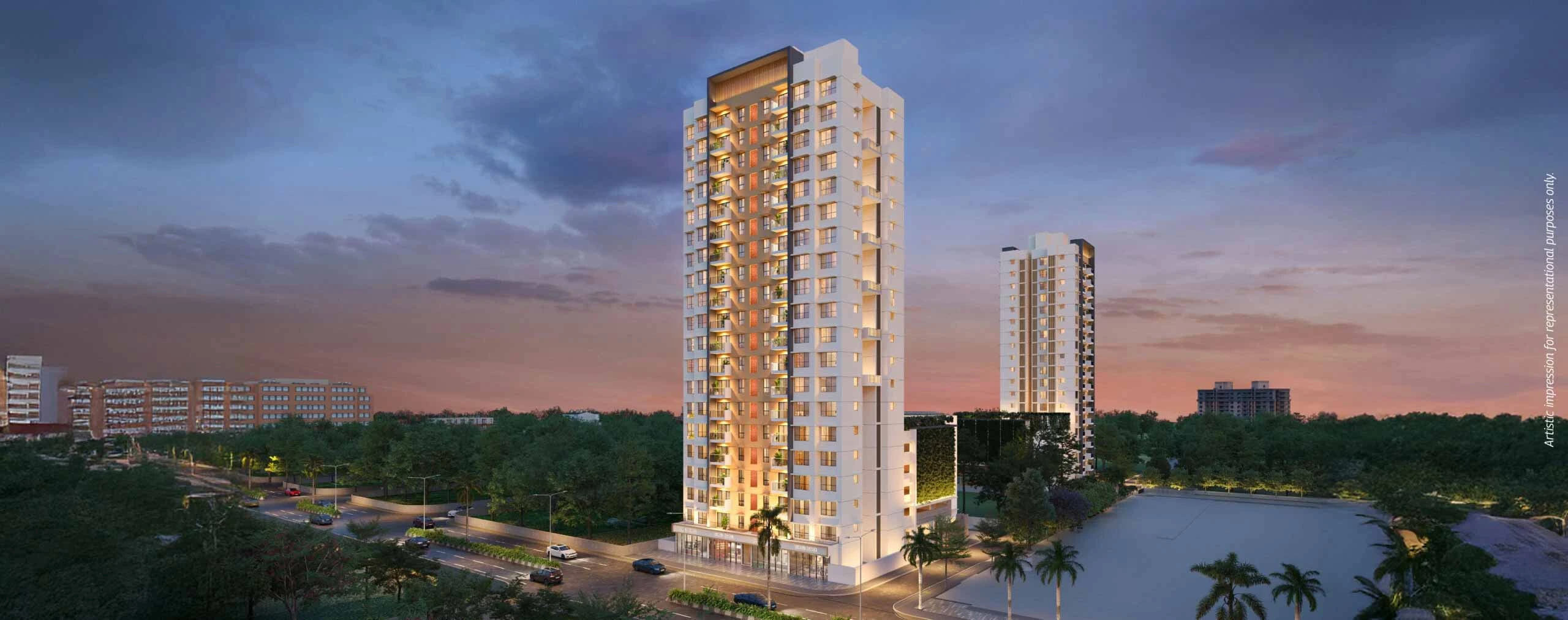
Mahindra Lifespace Developers has unveiled a new premium residential project in Whitefield, signalling growing confidence in Bengaluru’s sustainable housing market as demand shifts towards environmentally responsible urban living. The development, with a projected gross development value of Rs 1,900 crore, reflects how large developers are increasingly aligning commercial strategy with climate-conscious design and long-term liveability.
Located in one of Bengaluru’s most employment-intensive corridors, the project strengthens Whitefield’s evolution from a technology hub into a full-fledged residential district. Urban planners note that proximity to jobs, mass transit, and social infrastructure is becoming a decisive factor for end-users, particularly in cities grappling with congestion and long commute times. Industry experts say the scale of the project underlines Bengaluru’s continued appeal despite macroeconomic uncertainty. “What we are seeing is a move towards premium homes that prioritise space efficiency, energy performance and community amenities, rather than speculative inventory,” said a senior real estate analyst tracking southern markets. The residential offering includes a range of configurations aimed at nuclear families and multi-generational households, with layouts designed to maximise daylight, airflow, and open areas. More than two-thirds of the site is dedicated to open-to-sky spaces, reflecting a broader market response to post-pandemic preferences for healthier indoor environments. Urban designers involved in similar developments say such planning helps mitigate heat stress and improves microclimates within dense neighbourhoods.
Connectivity remains a central driver of Whitefield’s residential demand. The project’s location near a metro station strengthens last-mile accessibility while reducing reliance on private vehicles. Transport experts argue that transit-oriented developments such as this play a crucial role in lowering per-capita carbon emissions in fast-growing cities like Bengaluru. Amenities are increasingly being positioned as social infrastructure rather than lifestyle add-ons. The development includes shared recreational spaces, pedestrian-friendly pathways, and neighbourhood retail, all intended to reduce daily travel needs and encourage community interaction. According to housing researchers, such mixed-use planning supports more inclusive urban living by catering to varied age groups and household structures. From a sustainability perspective, the project has been pre-certified under national green building standards for energy efficiency and waste management. Developers across India are gradually adopting net-zero frameworks, driven both by regulatory nudges and rising consumer awareness. A senior sustainability consultant noted that large-scale adoption of such standards could significantly reduce the environmental footprint of urban housing over the next decade.
As Bengaluru continues to expand, projects that combine location efficiency, climate resilience and thoughtful urban design are likely to shape the city’s residential future. While premium pricing remains a barrier for many, planners stress that lessons from such developments can inform more inclusive and scalable housing solutions across India’s cities.
Also Read: Mumbai Mayfair Housing Names Nitin Nagpal Chief Sales Marketing Officer
Bengaluru Mahindra Lifespaces Introduces Mahindra Blossom Net Zero Waste Community
