


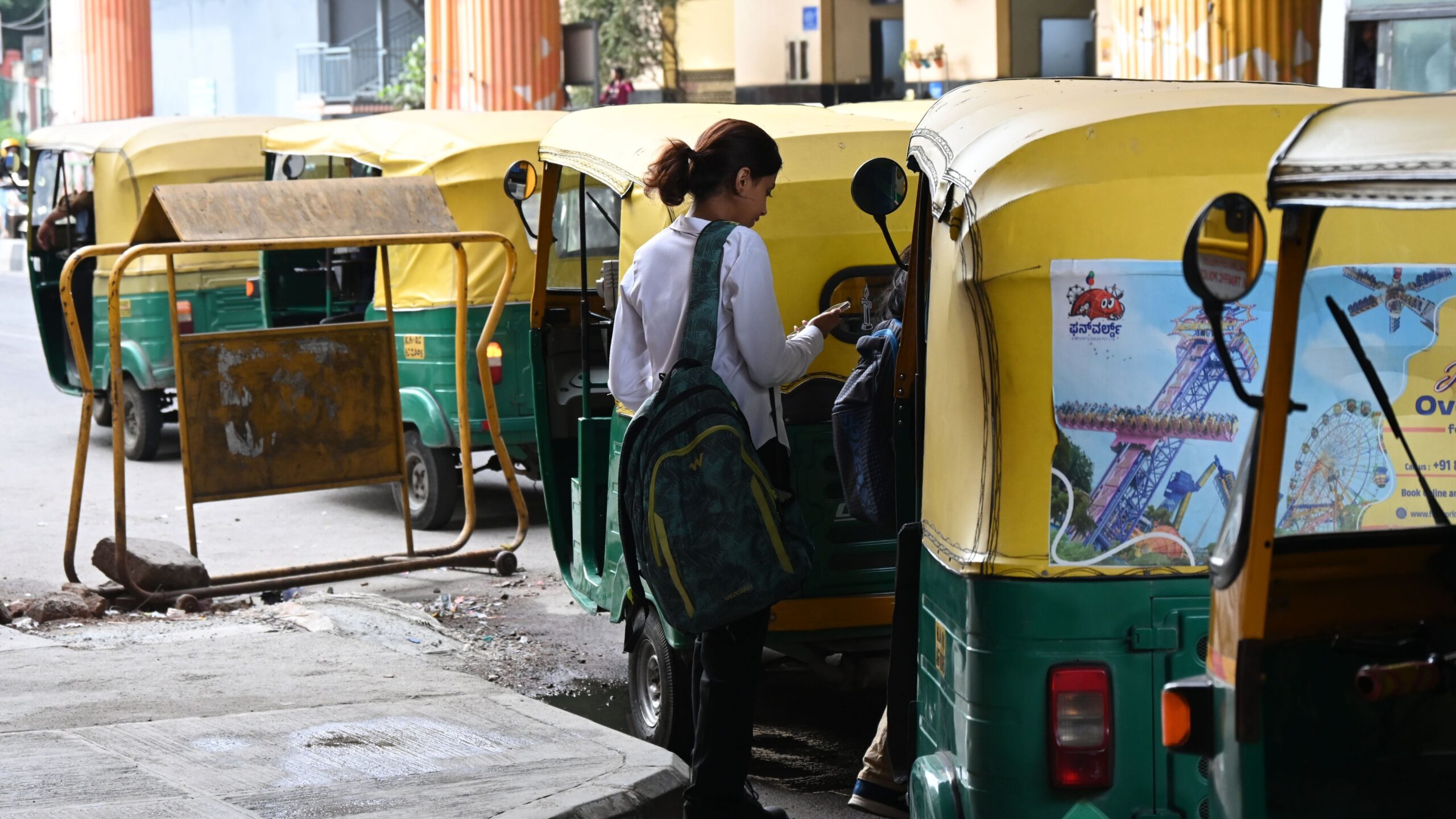
A disruption in LPG supply is affecting Bengaluru’s auto-rickshaw network, with drivers reporting long wait times at fuel stations and operational delays across the city.
The situation is highlighting the vulnerability of urban transport systems to energy supply disruptions, particularly in segments reliant on alternative fuels.The Bengaluru LPG crisis has led to extended queues at refuelling points, reducing the number of vehicles available for daily commutes. Auto-rickshaws, which form a crucial part of the city’s last-mile connectivity, are facing reduced operational hours, directly impacting passenger availability and wait times.Transport experts note that the Bengaluru LPG crisis underscores the importance of fuel reliability in sustaining urban mobility.Disruptions in supply chains can have immediate ripple effects across transport networks, affecting not only drivers’ livelihoods but also commuters who depend on these services for daily travel.From an economic perspective, the impact is significant. Auto drivers are experiencing loss of income due to time spent in queues and reduced trip volumes. For commuters, limited availability of autos may lead to higher travel costs or longer waiting periods, particularly during peak hours.The Bengaluru LPG crisis also raises broader questions about energy diversification in urban transport. While LPG has been promoted as a cleaner alternative to conventional fuels, dependence on a single fuel source can create systemic risks. Experts suggest that a diversified energy mix, including electric and hybrid options, could improve resilience.
Infrastructure challenges further compound the issue. Limited refuelling points and uneven distribution of supply can exacerbate shortages, especially in densely populated urban areas. Strengthening fuel distribution networks and improving logistics are seen as critical to preventing similar disruptions in the future.There are also environmental considerations.While LPG is generally cleaner than traditional fuels, supply disruptions may push some drivers to revert to more polluting alternatives, potentially affecting air quality. Ensuring consistent access to cleaner fuels is therefore essential for maintaining environmental gains.Urban planners highlight the need for integrated transport strategies that account for energy supply risks. Incorporating electric mobility, expanding charging infrastructure and supporting alternative fuel technologies can help reduce dependence on any single source.The Bengaluru LPG crisis also points to the importance of coordination between fuel suppliers, regulators and transport authorities.Timely communication and contingency planning can help mitigate the impact of supply disruptions on both service providers and users.As Bengaluru continues to grow, ensuring the resilience of its transport systems will be critical. Addressing fuel supply vulnerabilities and diversifying energy sources can help create a more stable and sustainable mobility ecosystem.
Looking ahead, the current disruption serves as a reminder that urban transport planning must consider not only infrastructure and demand but also the reliability of underlying energy systems. Strengthening these foundations will be key to supporting efficient and inclusive mobility in the city.
Also Read:Bengaluru Lalbagh Tunnel Road Faces Environmental Scrutiny
