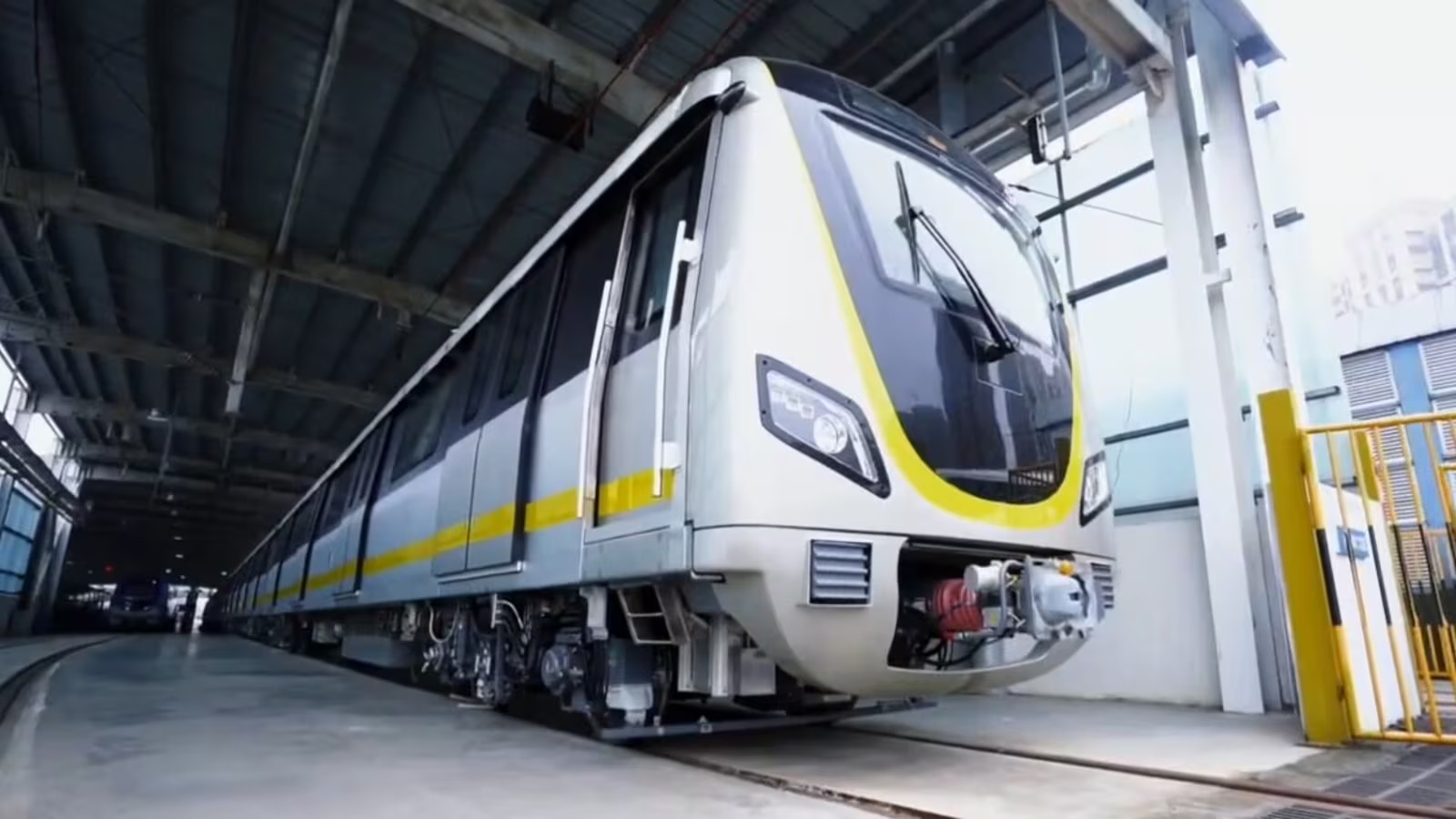
Bengaluru launches Yellow Line metro with driverless trains in August rollout
Metro connectivity in Bengaluru is poised for a transformative leap as the Yellow Line—spanning 18.8 kilometres between RV Road and Bommasandra—is set to commence operations in August. This crucial corridor, integrating the Green Line at RV Road and extending into South Bengaluru and Electronic City, introduces India’s first fully driverless metro service using advanced CBTC signalling. As safety inspections are underway, officials aim for a mid-August opening that promises to reduce road congestion, improve work commutes, and reinforce the city’s net-zero transit goals.
Officials from the Metro Railway Safety Commission have begun rigorous checks, including a detailed motor trolley inspection of the Yellow Line tracks. These inspections are especially critical given the deployment of the Communication-Based Train Control (CBTC) technology—making Bengaluru the first Indian city to run fully automated metro trains. The system, designed for precise control, demands stringent evaluation of station halts, curves, speed limits, and signalling responses. Experts say the shift to driverless technology not only reduces human error but also enhances energy efficiency and frequency control, a much-needed intervention for a city grappling with rapid urbanisation. The 16-station corridor will offer smoother last-mile connectivity to IT hubs in Bommasandra and Electronic City, where tech workers often face long, unpredictable road journeys.
With this addition, residents across South Bengaluru are expected to gain faster access to city centre zones via the Green Line interchange. Trains will initially operate every 25 minutes, and the arrival of a fourth rake in early August will mark the final requirement before commercial operations commence. Load testing and signal system verification are also lined up to ensure all safety protocols are met. Urban mobility experts highlight that this corridor could significantly reduce private vehicle dependence, easing carbon emissions in an increasingly congested city. Bengaluru’s strategic investments in metro connectivity have already improved transport access in peripheral zones, but the adoption of automation introduces a futuristic layer to these efforts. Moreover, the Yellow Line’s integration with sustainable land use plans is seen as a boost for equitable urban access—especially for working-class commuters residing in suburban areas with limited public transport options.
If the rollout proceeds as expected, the Yellow Line will become a defining case study in India’s metro evolution—moving from expansion to intelligent automation. While residents eagerly await improved convenience, civic observers also urge the metro agency to maintain transparency and prioritise accessibility for persons with disabilities and senior citizens. The new corridor’s success could act as a benchmark for similar projects in other Indian cities, especially those exploring green public transport alternatives aligned with net-zero goals.