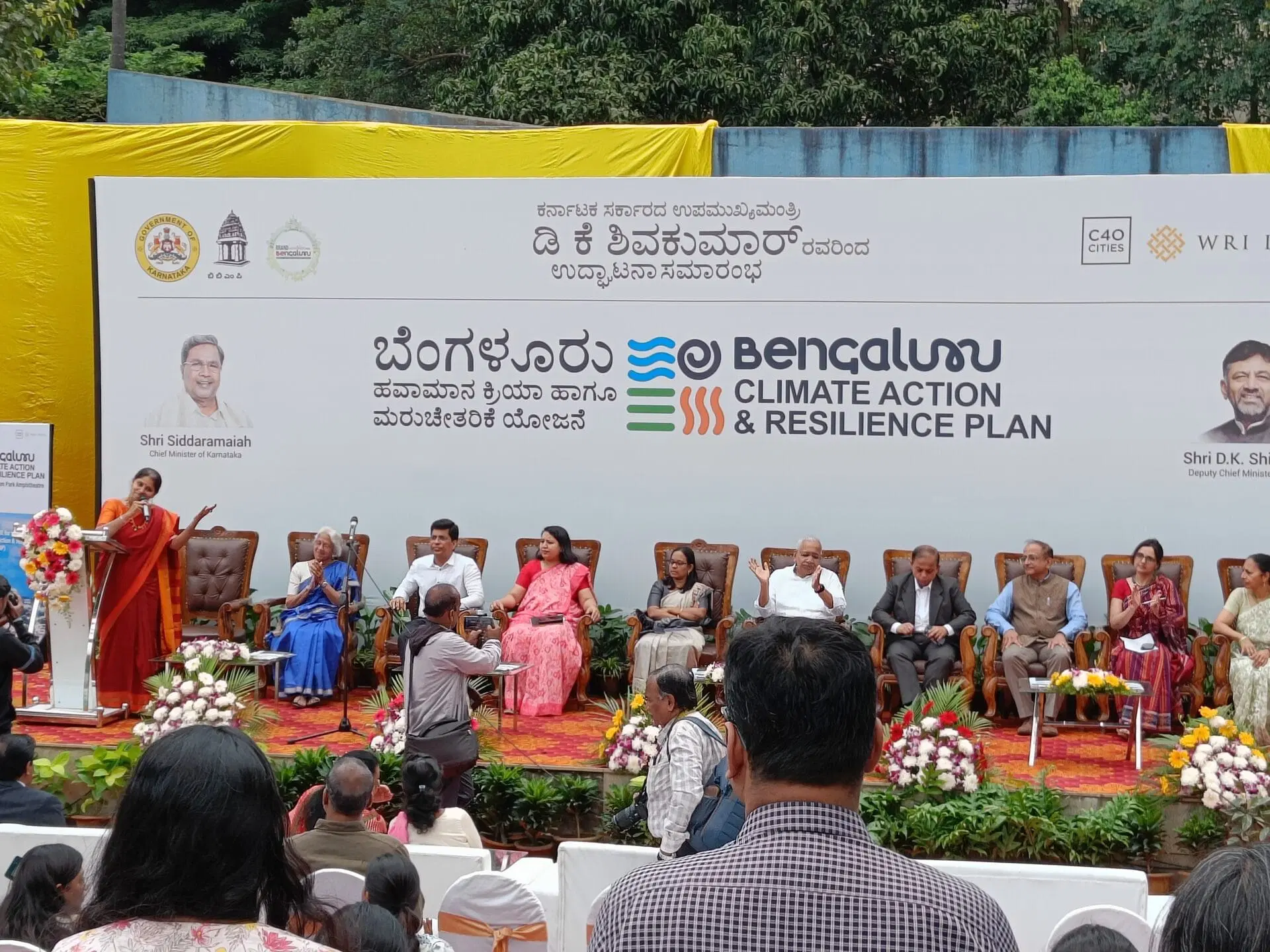
Bengaluru Launches Ward-Level Climate Action Plans To Tackle Flooding Waste Air Pollution
Bengaluru is rolling out Ward-Level Climate Action Plans to tackle the city’s pressing environmental challenges, from flooding and unmanaged waste to worsening air quality. The initiative, backed by the Greater Bengaluru Authority with ₹28 crore in the 2025–26 budget, aims to translate citywide climate strategies into actionable, neighbourhood-specific projects. By combining local data, community consultations, and expert guidance, the plans seek to make sustainable, hyperlocal interventions practical and implementable across diverse wards.
The programme builds on the Bengaluru Climate Action and Resilience Plan (BCAP), launched in November 2023, which outlined citywide approaches to emissions reduction and climate resilience. Recognising that one-size-fits-all solutions often fail at the local level, the Climate Action Cell (CAC) was formed to create WCAPs that respond to ward-specific issues. Seven organisations, including WRI India, Socratus Foundation, and Hasiru Dala, are working with the CAC to develop ten pilot ward plans across five city corporations.Each WCAP identifies short-, medium-, and long-term initiatives. Proposed interventions include rooftop solar installations on public buildings, green corridors, pocket parks, blue-green school models, and community-driven waste management systems. Projects are categorised into new interventions, enhancements to ongoing government work, and citizen engagement programmes, ensuring that local priorities guide actionable outcomes.
Fieldwork in Shantinagar highlights the practical approach of WCAPs. Residents have identified clogged drains, illegal dumping, and declining groundwater levels as urgent concerns. Existing community engagement efforts by Socratus Foundation inform the plan, helping to integrate stormwater management, dry waste collection centres, and creation of green public spaces. Citizen consultations at this hyperlocal level aim to include vulnerable groups and empower communities to actively participate in climate action.Challenges remain in implementing WCAPs citywide. Limited ward-level data, repeated ward boundary changes, and reliance on municipal departments and civil society partners can slow progress. The Climate Action Cell facilitates projects but lacks direct enforcement power, making collaboration essential. Experts emphasise that effective hyperlocal climate action requires empowered ward-level oversight, clear responsibilities, and measurable targets to track progress.
Despite these obstacles, WCAPs provide a structured, bottom-up framework to translate Bengaluru’s climate goals into practical, local solutions. By connecting citywide strategies with ward-specific interventions and promoting citizen involvement, the initiative aims to strengthen sustainable urban governance, reduce environmental risks, and foster inclusive, zero-carbon neighbourhoods.