Bengaluru Tunnel Road Project Adani Lowest Bid Exceeds Government Estimate By Rs4600 Crore
Bengaluru has launched a global tender worth Rs 177 billion to build an ambitious underground twin tunnel road, marking a bold step toward reducing congestion and modernising urban infrastructure. The proposal, floated by Bengaluru Smart Infrastructure Limited (B-SMILE), a state-led special purpose vehicle, aims to ease traffic snarls in the heart of the city by offering an alternative subterranean commute corridor. Officials expect the project to significantly cut travel time, lower vehicular emissions, and serve as a model for eco-forward infrastructure development in dense metropolitan environments.
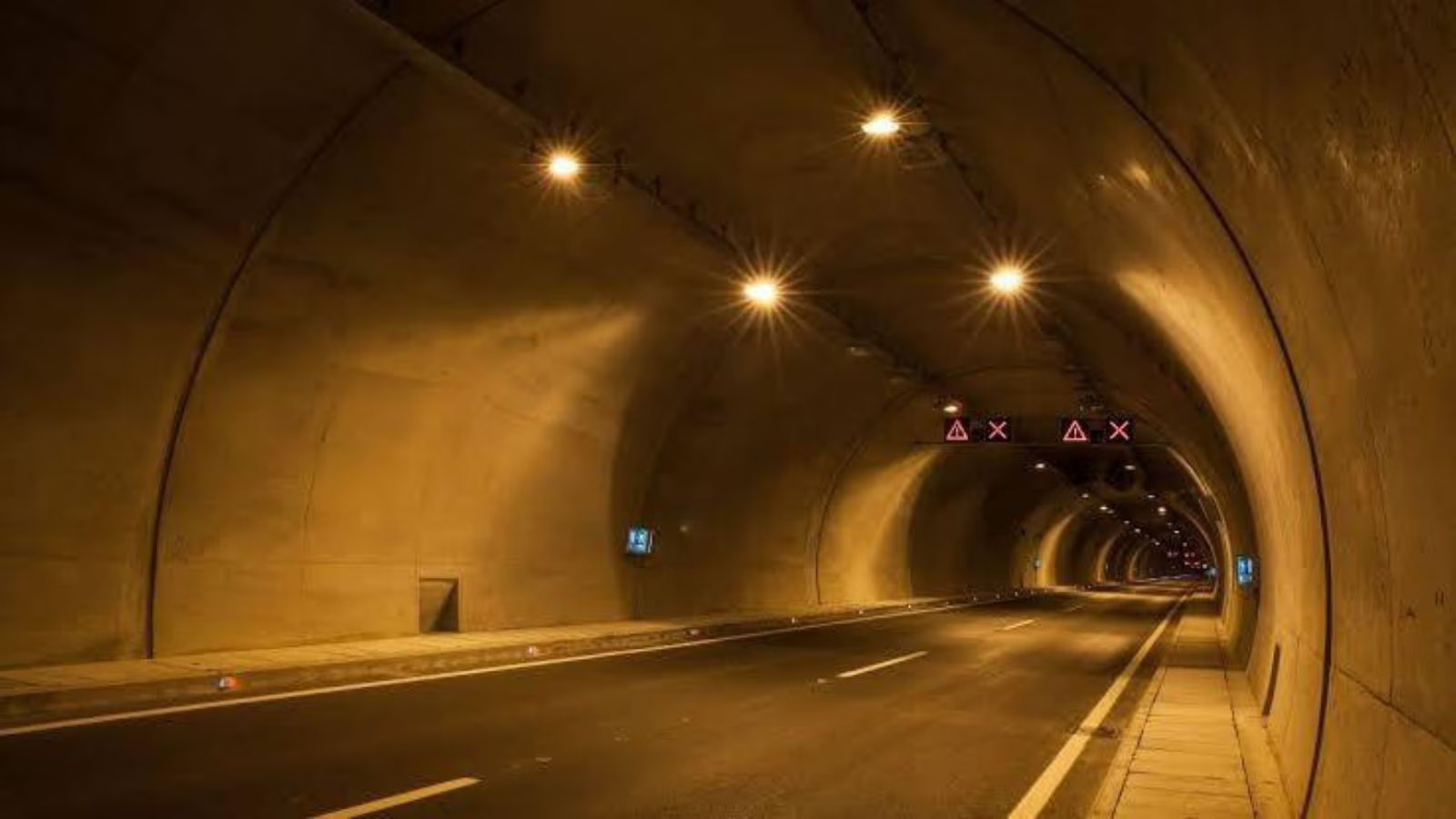
The tunnel road project proposes a twin-tube design running approximately 50 km, with each tunnel dedicated to unidirectional traffic. As Bengaluru’s surface-level road network continues to choke under mounting pressure from private vehicles and inadequate public transit, urban planners have turned to underground connectivity as a sustainable alternative. The project is expected to incorporate energy-efficient lighting, ventilation, and safety features while reducing the carbon footprint associated with traditional road expansions. Environmentalists have expressed cautious optimism, highlighting that while underground roads may protect green spaces above ground, rigorous environmental impact assessments must guide every phase. City planners and transport experts see this as more than a transport solution—it reflects a pivot toward future-proofing Bengaluru’s urban landscape.
With public sentiment increasingly favouring walkability, cleaner air, and reduced noise pollution, subterranean roads may offer relief without the trade-offs of elevated flyovers or extensive land acquisition. However, experts caution that such a large-scale project must include transparency in tendering, equitable access to construction jobs, and inclusive designs that prioritise pedestrian and cyclist integration. It also opens discussions about long-term maintenance costs and fiscal prudence amid state budget constraints. The tunnel corridor will likely pass beneath key junctions notorious for peak-hour gridlock, such as the Central Business District and Inner Ring Road. Officials note that care will be taken to avoid disturbing heritage structures or ecologically sensitive zones. Civic groups have urged the government to consult communities and integrate multi-modal connectivity at tunnel entry and exit points. If executed well, this could become a landmark in India’s push toward net-zero transportation goals.
However, public vigilance will be crucial to ensure the project doesn’t turn into another stalled megastructure or strain public finances. With urban mobility now central to both environmental sustainability and economic productivity, Bengaluru’s tunnel road could set a precedent for other Indian cities grappling with unplanned urbanisation. The success of this initiative will depend not only on engineering excellence but also on inclusive governance, fiscal accountability, and alignment with India’s climate resilience goals. As Bengaluru seeks to redefine how its residents move through the city, this tunnel tender stands at the intersection of innovation, necessity, and ecological consciousness.