Bengaluru Launches 117 Kilometre Business Corridor To Reduce Traffic Congestion
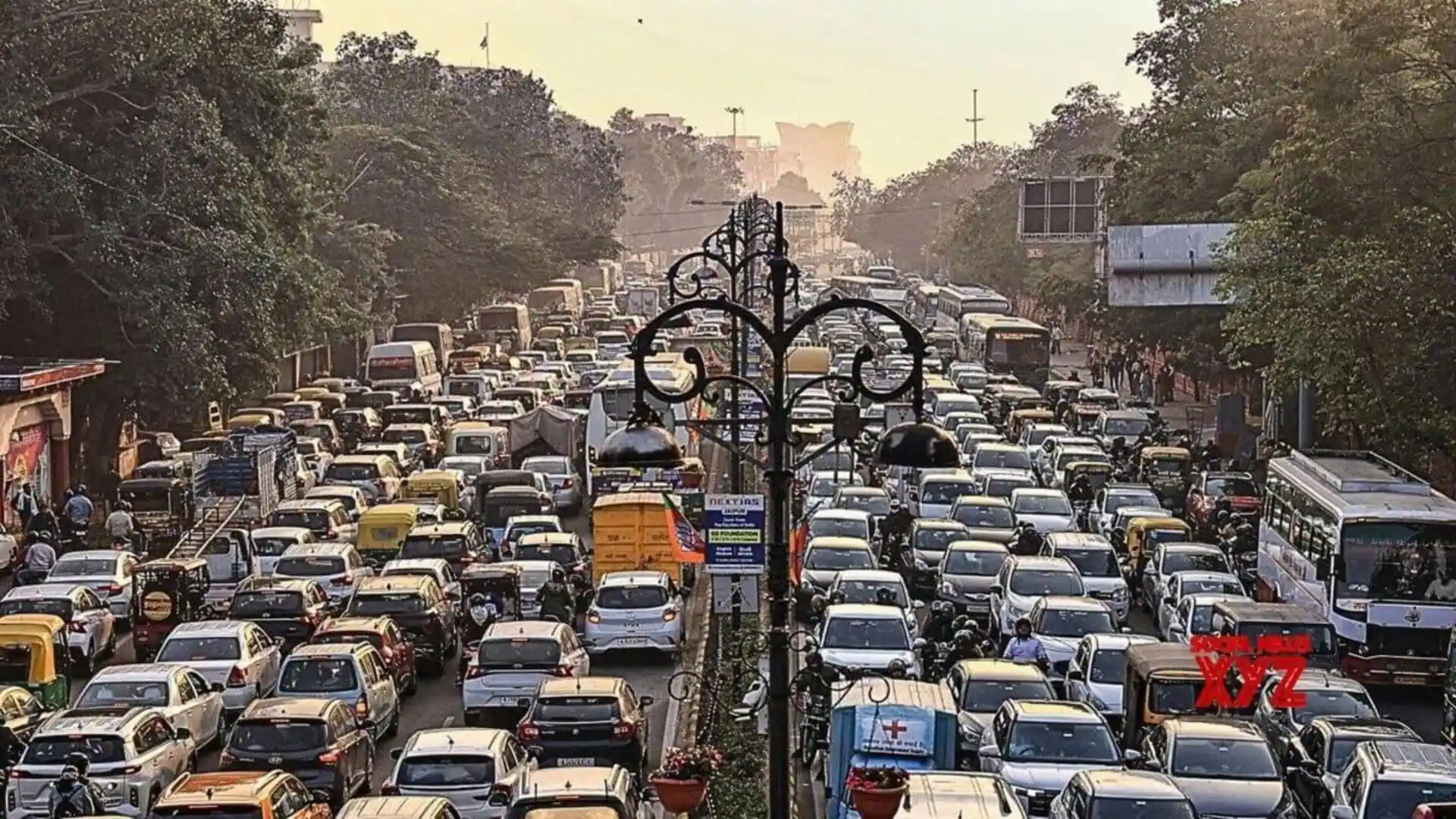
Bengaluru is set to witness a transformative infrastructure development with the launch of the 117-kilometre Bengaluru Business Corridor (BBC), designed to ease city traffic by up to 40 percent. The ambitious project will connect major urban and industrial hubs, including Yelahanka, Whitefield, Electronics City, Mysuru Road, and Tumakuru Road, creating a seamless network to divert intercity and industrial traffic away from the city centre.
The corridor, estimated at Rs 27,000 crore, will be funded through a Housing and Urban Development Corporation (HUDCO) loan and executed under the supervision of the Bangalore Development Authority (BDA). Project officials confirmed that construction will proceed in two phases, prioritising the northern stretch, with completion targeted within two years. The initiative is expected to enhance mobility, reduce travel times, and stimulate economic growth across Bengaluru’s peripheries.
In addressing concerns over land acquisition, the government has outlined five compensation mechanisms for affected landowners, including cash payments, Transferable Development Rights (TDRs), Floor Area Ratio (FAR) usage, residential plots, or commercial land along the corridor. Additionally, a TDR exchange platform will be established to ensure equitable returns, providing transparency and facilitating sustainable urban development.
Urban planning experts note that the corridor will significantly reduce congestion on arterial roads, improve logistics efficiency for industrial zones, and promote a more sustainable urban footprint by lowering vehicle emissions. Traffic modelling predicts smoother commutes for commuters and freight alike, while reducing air pollution levels in high-density traffic zones.
The Bengaluru Business Corridor is poised to become a cornerstone of the city’s long-term urban planning vision. By linking technology parks, industrial clusters, and residential zones, it offers a balanced approach to urban expansion, integrating economic growth with environmentally conscious infrastructure. Officials emphasise that the corridor will complement existing transport networks, including metro lines and peripheral highways, ensuring a multimodal approach to mobility.
While the corridor promises economic and environmental benefits, officials and experts highlight the importance of strict monitoring of construction practices, minimising ecological impact, and ensuring that infrastructure development aligns with sustainable city planning goals. The project exemplifies how large-scale urban initiatives can combine technological, economic, and ecological objectives to create equitable and future-ready cities.