


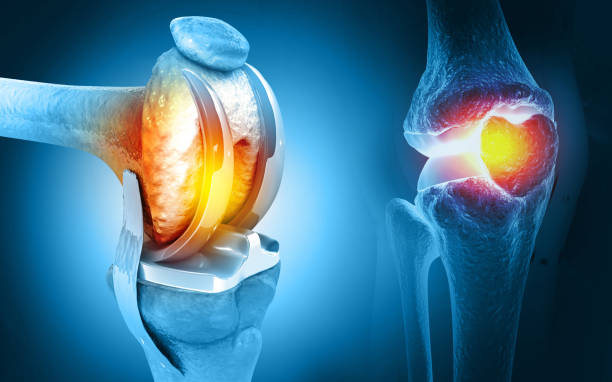
Healthcare providers in Bengaluru are increasingly moving towards customised treatment approaches in orthopaedics, with a growing emphasis on tailoring knee replacement procedures to individual patient needs rather than relying on standardised or gender-based models.
Medical specialists indicate that advancements in diagnostics, imaging, and implant design are enabling a more nuanced understanding of patient anatomy and lifestyle requirements. This evolving Bengaluru knee replacement approach reflects a broader shift in healthcare towards precision medicine, where treatments are adapted to the specific characteristics of each individual.Traditionally, knee replacement procedures often followed generalised frameworks, including distinctions based on gender-specific anatomical assumptions. However, clinicians now argue that such classifications may not adequately address the diversity of patient profiles. Instead, factors such as bone structure, activity levels, age, and overall health are gaining prominence in surgical planning.The Bengaluru knee replacement approach is being supported by technological integration in hospitals, including 3D imaging, computer-assisted surgery, and data-driven preoperative assessments. These tools allow surgeons to design more accurate implant placements and improve post-surgical outcomes, reducing recovery time and enhancing mobility.Healthcare analysts note that this transition aligns with global trends in patient-centric care.
As urban populations become more health-aware and demand higher standards of treatment, hospitals are adapting by offering personalised solutions that improve both clinical results and patient satisfaction.There are also economic implications. While customised procedures may involve higher upfront costs, they can potentially reduce long-term healthcare expenses by minimising complications, repeat surgeries, and extended rehabilitation. For healthcare systems in growing cities like Bengaluru, such efficiencies are increasingly important.From an infrastructure standpoint, the shift requires investment in advanced medical equipment and specialised training for healthcare professionals. Hospitals that adopt these technologies may gain a competitive edge, positioning themselves as centres of excellence in orthopaedic care.The approach also raises questions about accessibility. Ensuring that personalised treatments are available beyond premium healthcare facilities will be crucial to maintaining equity in healthcare delivery.Experts suggest that scaling such innovations across public and mid-tier hospitals could help bridge this gap.The Bengaluru knee replacement approach further reflects the intersection of healthcare and urban development. As cities expand and populations age, demand for advanced medical services is expected to rise, making healthcare infrastructure a key component of urban planning.
By shifting focus from generic models to individualised care, Bengaluru’s healthcare sector is adapting to the complexities of modern medicine—prioritising outcomes, efficiency, and patient well-being in an increasingly competitive and technology-driven environment.
Also Read:Bengaluru Home Loan Burden Sparks Financial Debate
