Bengaluru Karnataka Tackles Construction Waste Surge
Bengaluru is intensifying its response to a persistent construction and demolition (C&D) waste challenge with a combined policy and infrastructure strategy designed to expand processing capacity and curb illegal dumping. With an estimated 6,000 tonnes of debris generated daily, municipal authorities and the Karnataka government have approved new facilities and are drafting regulatory norms that aim to reshape how waste from urban development projects is collected, processed and monetised — a crucial step for a city aspiring to be climate-resilient and people-centred.
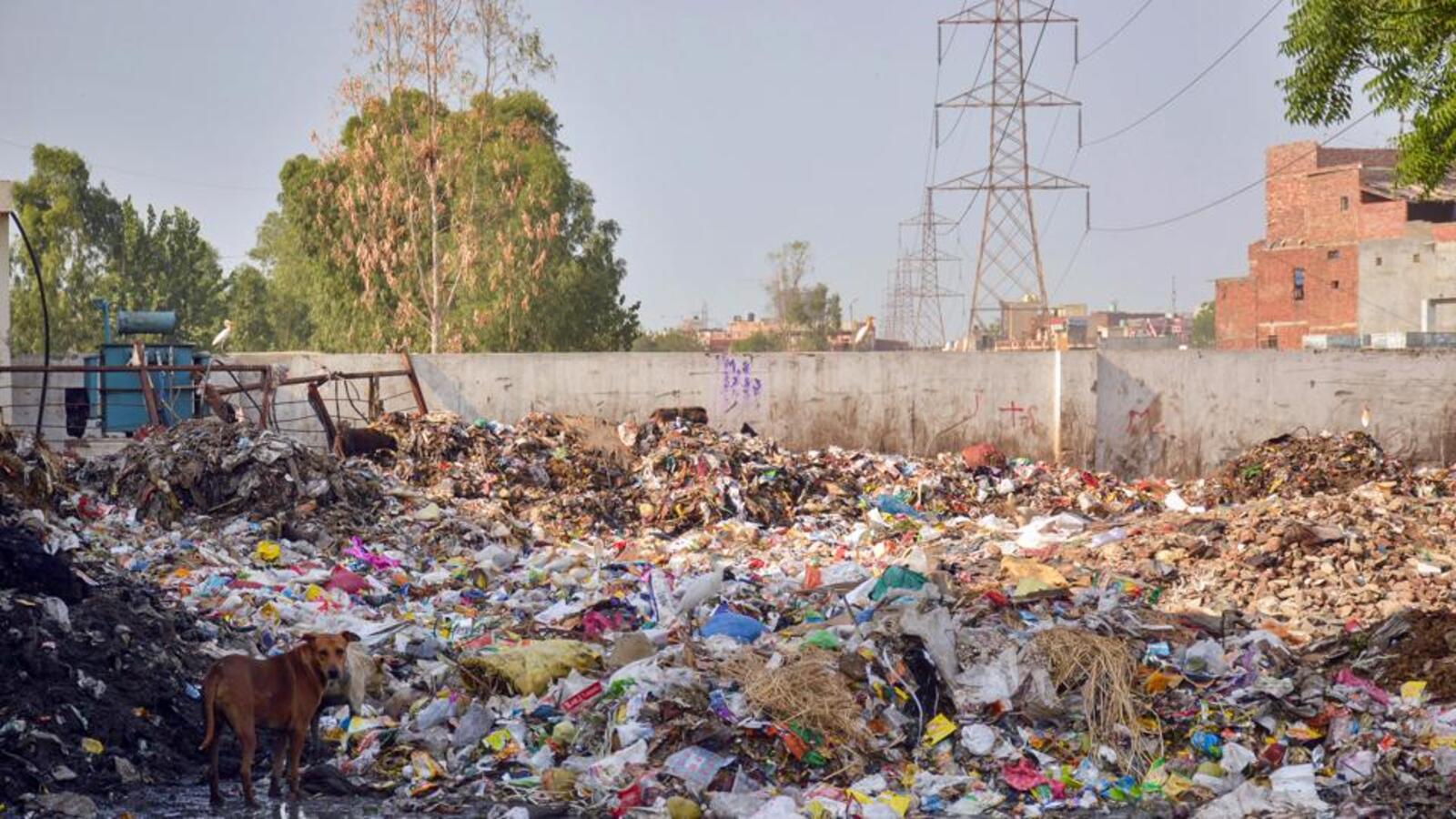
Current processing infrastructure in the city — limited to two plants with a total capacity of around 1,750 tonnes per day — falls well short of demand, forcing much of the debris onto vacant plots, drains and public land, aggravating flooding risks and respiratory hazards for residents. The newly sanctioned programme will establish three additional processing facilities, each capable of handling 750 tonnes per day, raising capacity towards 4,000 tonnes daily under a public-private partnership (PPP) framework. Infrastructure planners point out that such capacity expansion is not only a logistical necessity but also a foundational element for sustainable urban development. With Bengaluru’s built environment expanding rapidly, unprocessed C&D waste threatens to undermine stormwater systems, pollute water bodies and degrade air quality, disproportionately affecting lower-income neighbourhoods where informal dumping and inadequate services concentrate hazards. Urban waste specialists say that without scale, recovery and reuse pipelines, these externalities erode quality of life and compromise long-term urban resilience.
Under the PPP contracts, a single operator will manage both existing and new plants, taking responsibility for collection, transportation and processing over a 15-year concession period. Revenues for the partner come from monetising by-products such as recycled aggregates, which can be reintegrated into road construction and other civil works, advancing circularity in building material cycles. Alongside physical capacity upgrades, policymakers are finalising a C&D waste policy that would set standardised pricing and collection norms for builders and homeowners — potentially transforming waste from a peripheral civic issue into a regulated service with clear financial responsibilities for generators. The proposal includes a pricing committee expected to report within six months, establishing what those generating debris must pay to ensure proper disposal and prevent illegal dumping.
Experts in urban governance emphasise that pricing mechanisms and enforceable collection standards are vital complements to infrastructure. Without clear accountability and enforcement, even well-built plants risk being underutilised if generators bypass formal channels to cut costs. Aligning with broader national rules on C&D waste management, such a policy would harmonise Bengaluru’s practices with emerging expectations for sustainable redevelopment and reuse of construction materials. Economic development analysts also note potential market impacts. Institutionalising waste pricing could affect construction costs and timelines, particularly for small developers, while creating demand for services ranging from debris logistics to recycled material supply. If carefully calibrated, these shifts could stimulate micro-enterprises in recycling and advance local circular economies.
As Bengaluru moves forward with these initiatives, attention will turn to implementation details: how quickly the new plants come online, whether the policy effectively regulates diverse waste generators, and how both systems integrate with city planning, infrastructure projects and climate-adaptive urban design. Strengthening waste management in this way signals a broader commitment to building cities that are not only efficient but equitable and environmentally resilient.