


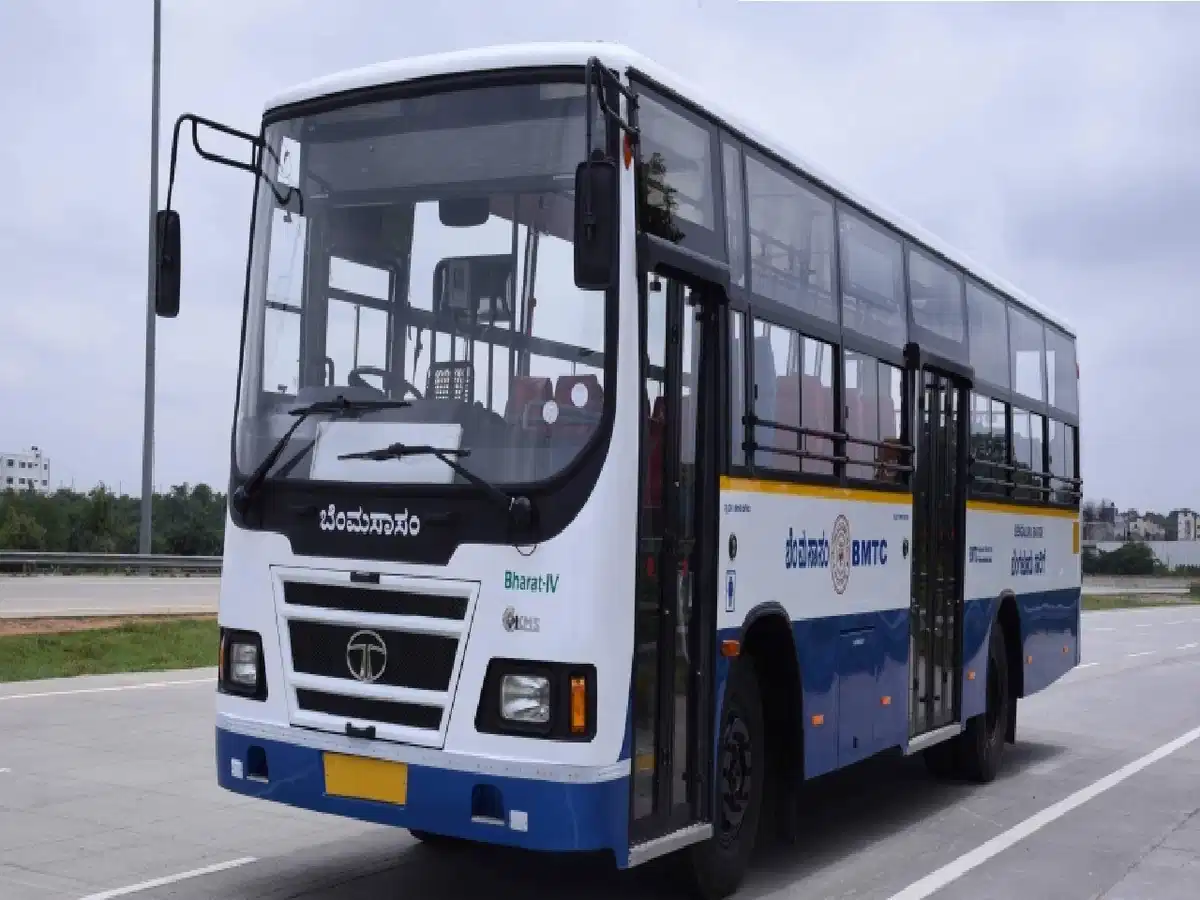
The Bengaluru Metropolitan Transport Corporation (BMTC) will roll out two non‑air‑conditioned bus services on July 7, aiming to bolster last‑mile connectivity and provide eco‑friendly travel options across key suburbs during early and late hours. The first route, 290‑MV, will connect Yelahanka Satellite Town (SM) to SMVT Bengaluru Railway Station. This 5.20 am‑10.05 pm service will run ten buses via Kogilu, RK Hegde Nagar, Thanisandra, Nagawara and Maruthi Seva Nagar. The second route, K‑2B, will run between Hebbal and Nayandahalli Metro Station/Junction, operating from 5 am to 9.25 pm with ten buses traversing Nagashettyhalli, Yeshwantpur, Rajajinagar, Magadi Road Toll Gate and Vijayanagara.
Transport officials see these new routes as a strategic step to reduce car dependence and encourage sustainable commuting among professionals, students and shift‑workers. By offering frequent morning and evening services, the BMTC hopes to ease pressure on metro and suburban rail and reduce carbon emissions by promoting public transport usage. An official from BMTC’s operations division explained that the scheduling reflects commuter needs. “Early‑start workers and late‑shift passengers had limited direct options. These routes address both schedule gaps and overcrowding on existing services,” the official added.
Urban planners highlight that the move aligns with Bengaluru’s commitment to equitable urban mobility and green public transport. The city has increasingly focused on integrating bus routes with metro stations, providing feeder services, and encouraging non‑motorised transport options as part of its net‑zero and air‑quality goals. The 290‑MV route is expected to benefit Yelahanka’s growing residential clusters and the tech‑park workforce travelling towards central Bengaluru. Meanwhile, K‑2B will connect northern parts of the city with the metro line, easing commutes for suburban residents and encouraging metro usage.
Experts say including first and last‑mile connectivity via buses is critical to increasing public transport share. Cities worldwide, including Curitiba and Bogotá, show that well‑planned feeder services dramatically improve ridership and reduce traffic congestion. Bengaluru’s expansion of non‑AC bus routes is a sign that local transport authorities are applying similar global lessons. In a city where many emerging economies still prioritise private vehicles, these relatively modest changes send a strong message: strengthening public transport should be the default rather than the exception. Though non‑AC buses may lack some passenger comforts, the cost savings, fare affordability, and environmental benefit are immediate.
However, critics suggest that long‑term progress requires buses powered by clean energy. Current BMTC strategy includes transitioning 30% of its fleet to electric buses by 2026. The new non‑AC diesel routes serve as a stopgap but underscore that sustainable bus electrification must accelerate alongside network expansion for meaningful carbon gains. BMTC officials assured that electric versions of these routes will be introduced once charging infrastructure becomes available along the corridors. A sustainable‑fleet roadmap released earlier this year outlines dedicated charging points at Yelahanka, Hebbal, SMVT and Nayandahalli.
Public‑transport advocates applaud the network’s incremental enhancement while urging simultaneous investment in bus‑priority lanes and digital payment systems. Integrating GPS‑based live‑tracking, mobile ticketing, and synchronized timetables with rail services would transform buses into a seamless transit choice. For commuters, the tangible benefits are clear. A student residing in Yelahanka can now board the first bus at 5.20 am, reach SMVT in time for the metro commute, and return post‑classes without transfers. An IT professional in Hebbal working a night shift in Vijayanagara will now have a safe, direct ride.
While Bengaluru’s traffic woes persist, and sustainable transformation is far from complete, the launch of these two routes signifies progress. The city is laying down connective tissue essential to a greener, more equitable transit network—one bus at a time.
Also Read : Bhopal Khajuraho and Udaipur Airports Score Highest in Passenger Survey
