


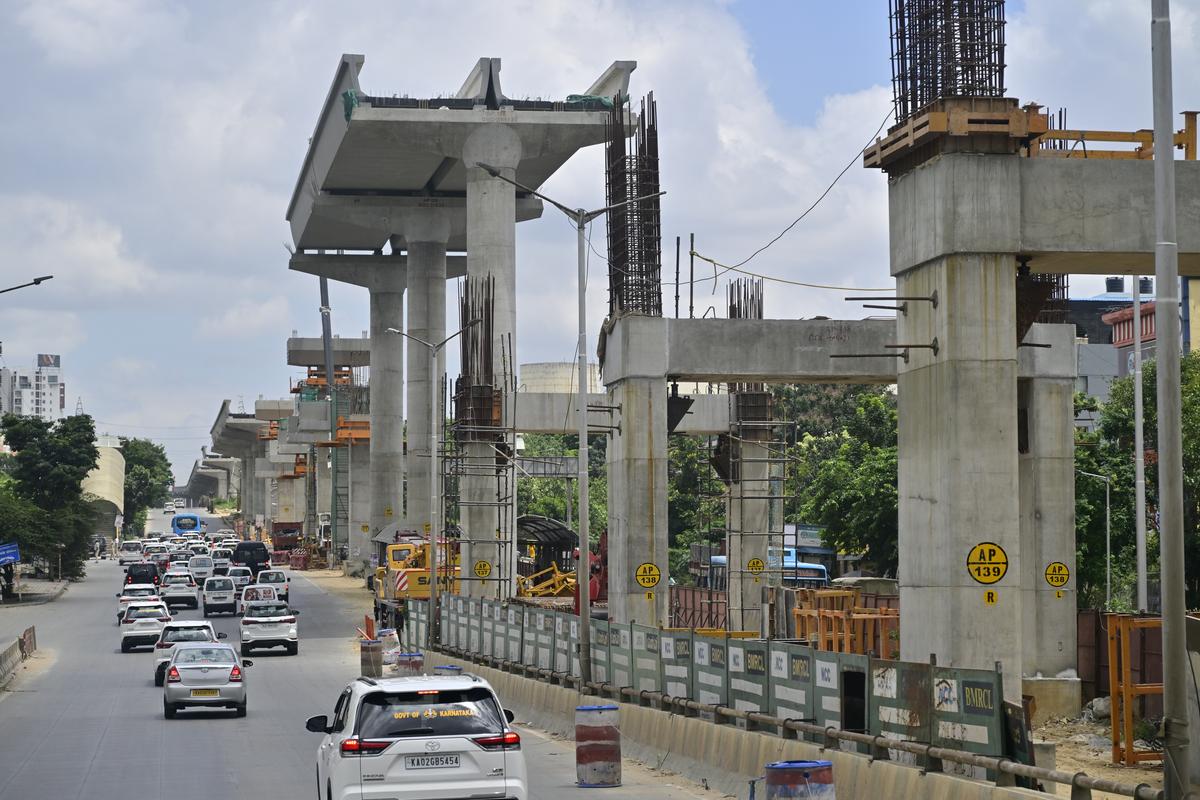
A tongue-in-cheek social media post from a Bengaluru resident has sparked widespread attention after it called upon former US President Donald Trump to “intervene” in resolving two long-delayed infrastructure projects in the city.
The satirical appeal, widely circulated on social media platform X, has triggered both amusement and serious reflection on the capital’s chronic civic inefficiencies. The post—which sarcastically suggests that Trump’s global negotiation skills be put to use in fast-tracking the Ejipura flyover and the Yellow Line of Namma Metro—resonated with thousands of Bengalureans fatigued by years of delay, political apathy, and administrative inertia.
Though clearly comedic in tone, the viral post has brought to the fore Bengaluru’s mounting urban mobility crisis and the apparent failure of successive authorities to deliver on crucial infrastructure promises. The timing is also striking: the plea emerged shortly after Trump made headlines by claiming to mediate a hypothetical ceasefire between India and Pakistan. The resident challenged Trump to take on a “real” test—Bengaluru’s local authorities. The Ejipura flyover, intended to ease congestion between Koramangala and the Inner Ring Road, has become a textbook example of civic neglect. Initiated over five years ago, the project has encountered delays stemming from land acquisition disputes, lack of coordination among departments, contractor inefficiencies, and shifting political priorities. Despite numerous deadlines and budget revisions, commuters are still forced to navigate the chaotic and traffic-clogged stretch daily.
The Yellow Line of Namma Metro, designed to connect RV Road with Bommasandra in the city’s southern industrial corridor, has followed a similar trajectory of missed milestones. Originally slated for completion in 2021, the corridor has since seen at least three official extensions. Delays in track laying, station development, and final safety approvals have compounded public frustration. With the city’s road infrastructure already overburdened, the delay in mass rapid transit solutions only exacerbates the urban strain. Urban policy experts say the episode, while humorous, reflects a deeper civic malaise. A former senior official from the state’s urban development department stated, “Bengaluru’s infrastructure projects are often marred by poor planning, tendering delays, and lack of transparency. Public impatience is understandable, and citizens turning to satire is a form of protest in itself.”
The response to the post has been swift and wide-ranging. Social media users across India chimed in, some with memes and others with genuine grievances. One reply quipped that even international diplomacy seemed easier than getting local civic bodies to complete a flyover. Another user tagged the city’s municipal body, urging action on long-pending repairs across other flyovers and arterial roads. The city’s civic agencies—the Bruhat Bengaluru Mahanagara Palike (BBMP) and the Bangalore Metro Rail Corporation Limited (BMRCL)—have long been criticised for delayed project execution and poor communication. In several instances, BBMP officials have cited challenges like encroachment clearance, inter-departmental approvals, and contractor accountability as reasons for slow progress.
A transport policy researcher based in Bengaluru explained, “The underlying issue is not always lack of intent. It’s the systemic inefficiencies and overlapping jurisdictions that paralyse execution. When agencies work in silos, citizens are left navigating potholes and incomplete flyovers.” While the humorous social media appeal briefly captured national attention, it also sparked discussions around the need for sustainable and citizen-centric infrastructure planning. Urban planners argue that Bengaluru, as a rapidly growing metropolis, must prioritise eco-friendly and equitable transport systems that reduce dependence on personal vehicles.
The city, home to over 13 million people and a global IT workforce, faces rising emissions, traffic congestion, and diminishing green cover—symptoms of misaligned growth. While initiatives like the Metro are crucial to easing pressure on the roads and cutting carbon emissions, their delayed rollouts blunt their effectiveness and public trust. In response to public ire, officials from BMRCL recently stated that “trial runs on the Yellow Line are in progress” and that “operations may begin later this year,” subject to successful inspection and approval from safety regulators. However, such commitments have been made in the past as well, leading to scepticism among citizens.
Some citizens groups have called for a monthly public dashboard on infrastructure project status, contractor timelines, and budget utilisation. “Transparency can be the first step to accountability,” noted an activist from a civic monitoring NGO, adding that greater engagement with residents could restore faith in public projects. This episode, though triggered by a meme, lays bare the urgent need for institutional reform in urban project delivery. As India’s cities swell under the weight of rapid urbanisation, citizen humour may continue to fill the gap left by administrative opacity—but it should not have to.
The flyover remains unfinished. The Metro line is still a work in progress. But the frustration of citizens, even when wrapped in satire, is unmistakably real. Whether or not global figures like Trump take notice, the call is now firmly directed at local authorities to get the job done—with or without international “intervention”. The public is no longer willing to wait quietly.
Also Read : Greater Bengaluru Governance Act Begins May 15
