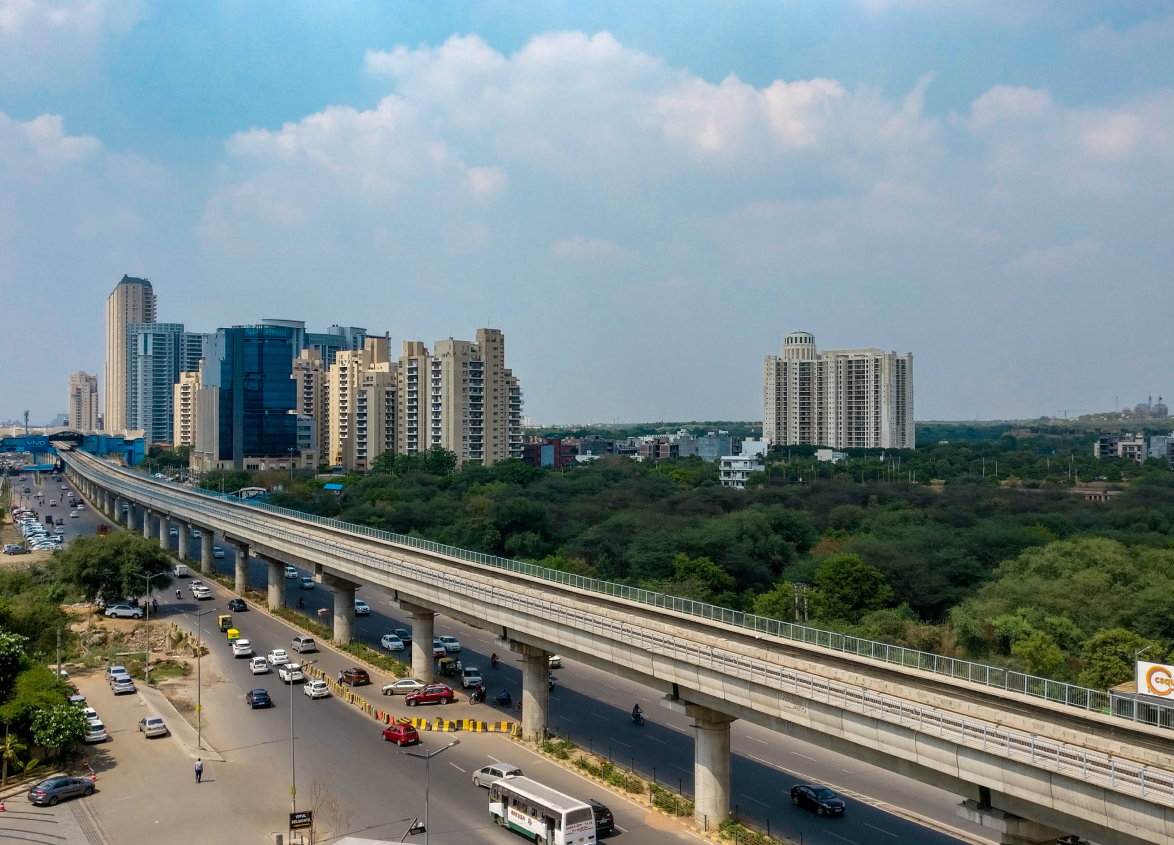
Bengaluru Hyderabad Lead India Property Investment Cities
India’s urban property markets are entering a new phase of expansion, with a mix of established metros and emerging cities shaping the country’s most attractive property investment cities. Driven by infrastructure upgrades, employment clusters, and steady inward migration, these urban centres are drawing both institutional and individual investors seeking long-term capital gains and rental stability.
Across southern India, Bengaluru continues to anchor investor interest, supported by its deep technology ecosystem and expanding metro network. Peripheral zones are witnessing sustained housing demand from a mobile workforce, pushing both rental yields and property values upward. Hyderabad is following a similar trajectory, where a combination of relatively lower entry costs and rapid IT corridor expansion is improving affordability while sustaining price appreciation. In western India, Pune’s diversified economic base spanning technology, manufacturing, and higher education is translating into consistent housing demand. Real estate activity in key employment hubs is being reinforced by infrastructure investments, ensuring that the city remains among the more stable property investment cities for mid-income buyers and long-term investors.
The Mumbai Metropolitan Region remains structurally constrained by land availability, which continues to support long-term capital appreciation despite high entry barriers. However, adjacent urban nodes are gaining traction due to improved regional connectivity and transit-oriented development. Urban planners note that such decentralisation could ease pressure on core city infrastructure while unlocking new growth corridors.Northern markets, particularly the Delhi-NCR belt, are witnessing renewed momentum. Strategic infrastructure projects, including expressways and a new international airport, are expected to reshape real estate demand patterns. These developments are not only enhancing accessibility but also creating new economic clusters, making the region one of the more dynamic property investment cities in the country. Chennai offers a comparatively stable investment landscape, underpinned by its industrial base, port-led economy, and established IT corridors. The city’s measured growth has made it attractive for investors prioritising lower volatility and predictable returns, particularly in rental housing segments.
Meanwhile, Ahmedabad is emerging as a cost-efficient alternative with rising infrastructure investments and planned financial districts. Its lower entry threshold is widening access to property ownership while still offering the potential for appreciation, especially as connectivity and urban services improve. Experts caution, however, that rapid real estate expansion must be aligned with sustainable urban planning. Issues such as climate resilience, public transport integration, and inclusive housing remain critical as cities scale. As India’s property investment cities evolve, the balance between growth and liveability is likely to determine not just returns, but the long-term health of urban ecosystems.