


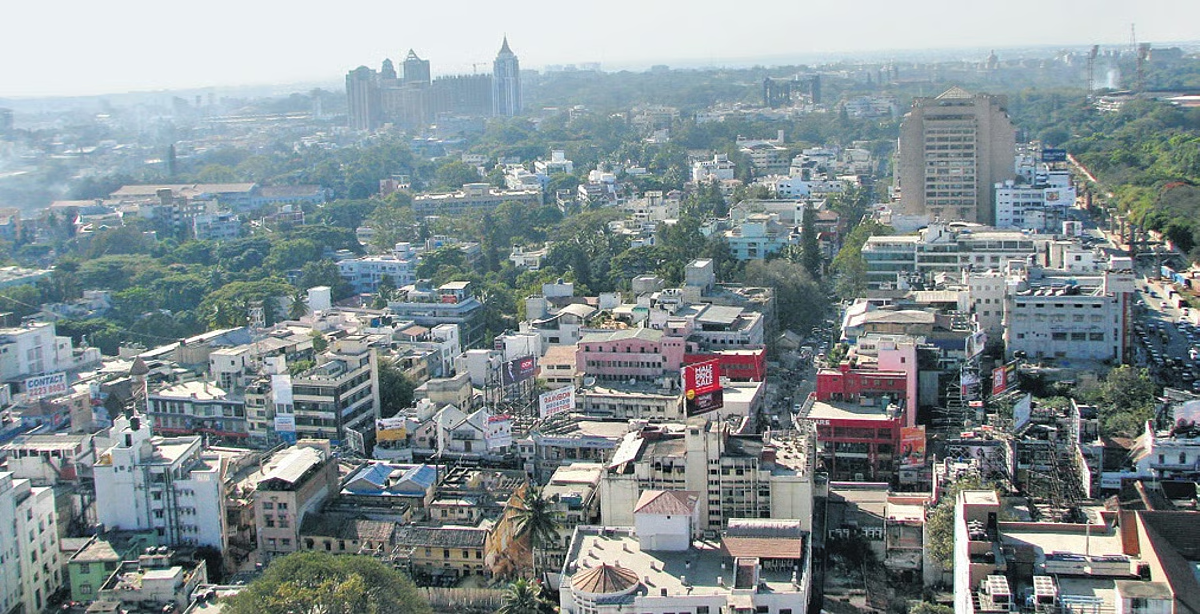
Bengaluru Housing Prices Rise As Buyer Demand Strengthens
Residential property values in Bengaluru recorded a notable increase over the past year, reflecting sustained demand from homebuyers in one of India’s most active urban housing markets.
Industry assessments indicate that Bengaluru housing prices rose significantly during 2025, driven largely by end-user purchases rather than speculative investment.Market observers say the growth in Bengaluru housing prices highlights the city’s continued appeal as a residential destination for professionals working in technology, research, manufacturing and service sectors. The metropolitan region has experienced steady population inflows, which in turn has intensified demand for both mid-range and premium housing segments.
Real estate analysts attribute the price movement to a combination of limited ready inventory, rising construction costs and stronger consumer confidence. Developers have also adjusted pricing in response to higher input expenses, including materials, labour and land acquisition, which have collectively pushed up project development costs across the region.The city’s residential market has evolved significantly over the past decade, with large integrated housing communities emerging along expanding suburban corridors. Areas connected to employment hubs and infrastructure projects have seen particularly strong interest from homebuyers seeking improved connectivity and lifestyle amenities.Urban planners note that neighbourhoods along major transport routes, including those linking the city centre with peripheral technology clusters, have witnessed consistent housing demand.
The availability of metro connectivity, improved highways and access to social infrastructure such as schools and hospitals has contributed to sustained buyer interest.The rise in Bengaluru housing prices also reflects the shifting preferences of post-pandemic buyers. Many households now prioritise larger homes, better ventilation, open spaces and community facilities such as parks, co-working areas and fitness zones. Developers have responded by redesigning housing layouts to incorporate more flexible living environments.While price appreciation signals a robust market, housing economists caution that affordability remains a key concern for younger buyers entering the property market. As property values rise, the gap between income growth and housing costs can widen, particularly in rapidly expanding metropolitan regions.Policy experts suggest that balanced urban growth will require a mix of housing types, including affordable and mid-income projects, to ensure that new urban residents are not priced out of the market. Encouraging sustainable construction methods and efficient land use could also help moderate development costs over time.At the same time, Bengaluru’s housing sector is increasingly linked to broader sustainability goals. Energy-efficient buildings, water conservation systems and integrated green spaces are gradually becoming standard features in newer developments, reflecting the city’s effort to adapt to climate and resource challenges.
For now, market analysts expect demand to remain stable as the city continues to attract skilled professionals and new businesses. If infrastructure expansion keeps pace with urban growth, Bengaluru housing prices may continue to reflect the long-term economic strength of India’s leading technology-driven metropolis.
Also Read:Bengaluru Residential Project Approval Boosts Housing Development
