


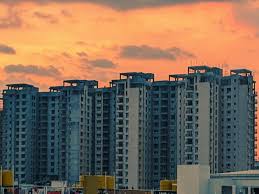
After two years of sharp escalation, Delhi NCR housing prices recorded a more measured rise in 2025, signalling a shift toward stabilisation in India’s largest property markets. Fresh industry data show that average home values in the region climbed 6 per cent last year a sharp moderation compared to the extraordinary spike witnessed in 2024.
The slowdown reflects softer demand following rapid appreciation between 2022 and 2024, when developers recalibrated prices amid strong post-pandemic buying. Market analysts tracking Delhi NCR housing prices say the current trajectory indicates consolidation rather than contraction. Sales volumes have cooled, but developers have largely avoided aggressive discounting, maintaining price discipline and controlling inventory releases. Across the top eight metropolitan regions, annual residential price growth averaged 6 per cent in 2025, down from 17 per cent in the previous year. Bengaluru emerged as the strongest performer, posting a 13 per cent increase in average values, supported by steady technology-sector hiring, Global Capability Centre expansion and infrastructure improvements in the city’s northern and eastern corridors. In Delhi-NCR, average prices rose to approximately Rs 8,570 per square foot, up from around Rs 8,105 a year earlier. The Mumbai Metropolitan Region saw a 4 per cent increase to roughly Rs 13,164 per square foot, while Pune recorded marginal growth of 1 per cent. Ahmedabad and Hyderabad both reported 8 per cent annual appreciation, and Kolkata registered a 6 per cent rise. Chennai remained largely flat.
\Industry observers attribute the moderation in Delhi NCR housing prices to affordability pressures after last year’s steep surge. Rising land acquisition costs and higher construction expenses including materials and labour have kept base pricing elevated. However, demand is increasingly end-user driven, with fewer speculative transactions compared to earlier cycles. Urban planners note that price stability is crucial for long-term metropolitan resilience. Sharp spikes often distort access to housing, strain infrastructure planning and widen inequality across city districts. A calibrated market, by contrast, allows municipal agencies to align transport, utilities and social infrastructure with predictable residential expansion. In NCR micro-markets linked to expressways and metro extensions, demand remains steady but selective. Buyers are prioritising projects with stronger governance standards, timely delivery records and proximity to employment hubs. Developers, in turn, are focusing on phased launches to avoid oversupply.
Looking ahead to 2026, analysts expect moderate price movement rather than another breakout year. Employment growth, mortgage rates and infrastructure delivery will determine whether demand regains momentum. For now, the data suggest that Delhi-NCR’s housing cycle is entering a steadier phase one defined less by speculation and more by sustainable urban absorption.
Also Read: India cities pivot to premium housing demand
Bengaluru housing prices lead urban gains
