


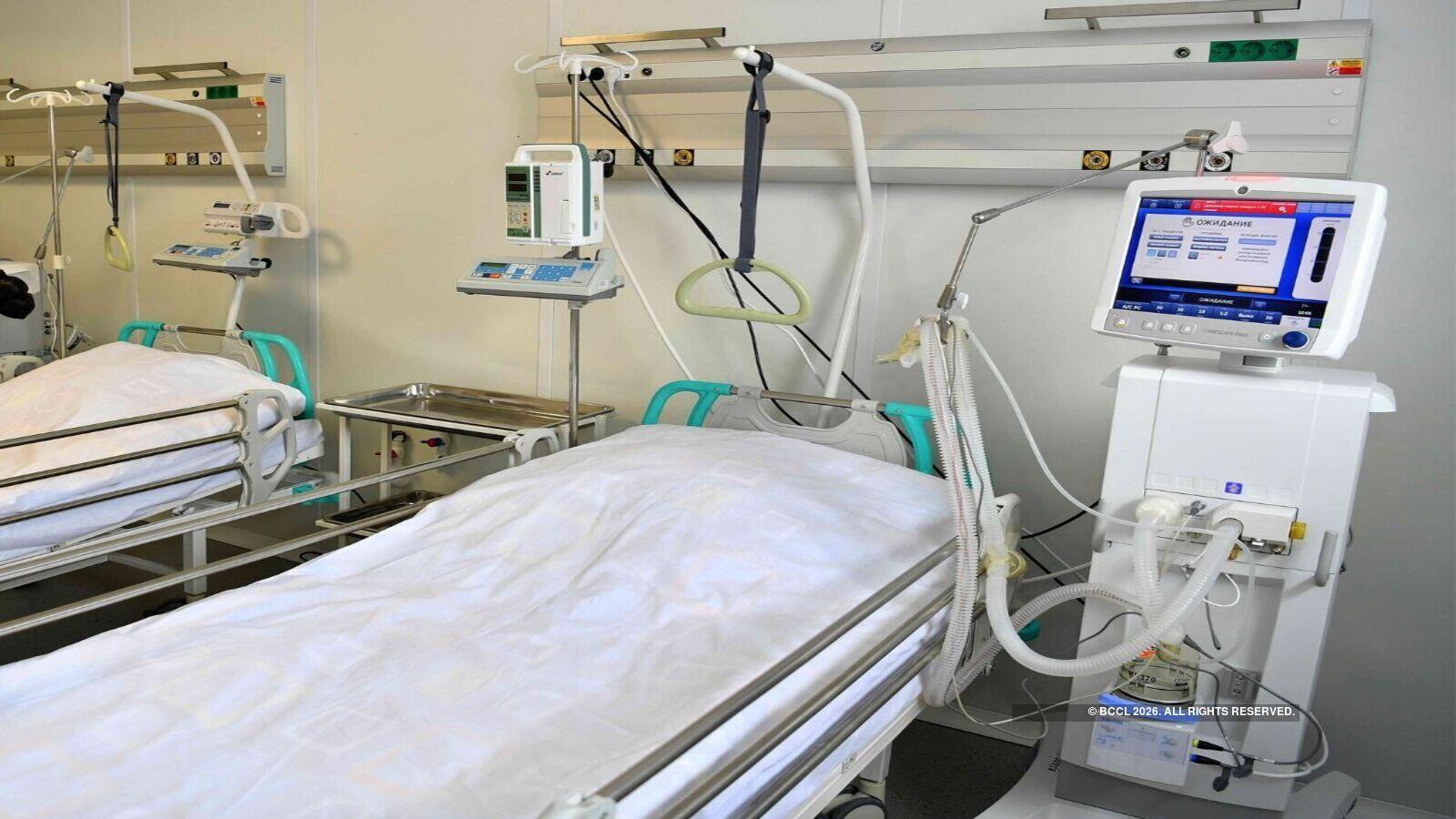
A prolonged delay in repairing critical medical equipment at Victoria Hospital has raised concerns over the resilience of public healthcare infrastructure in Bengaluru, particularly in high-pressure, high-patient-load facilities.
The issue, centred on non-functional ventilators awaiting repair for several months, underscores operational gaps in maintaining essential life-support systems. The Bengaluru hospital ventilator delay highlights how equipment downtime can directly impact patient care capacity, especially in government hospitals that cater to large sections of the population.Healthcare administrators indicate that delays in procurement processes, maintenance contracts, and technical servicing contribute to such backlogs. In many public institutions, equipment repair is dependent on centralised systems and vendor availability, which can extend turnaround times significantly.From a public health perspective, the Bengaluru hospital ventilator delay is particularly concerning given the role of ventilators in managing critical care cases, including respiratory illnesses and emergency conditions. Limited availability of functional equipment can strain intensive care units, forcing hospitals to prioritise cases or refer patients elsewhere.Experts note that this situation reflects broader systemic challenges within urban healthcare infrastructure.As cities expand and patient volumes increase, the demand for advanced medical equipment grows.However, maintenance systems and operational frameworks often lag behind, creating bottlenecks in service delivery.There are also equity implications.
Government hospitals like Victoria Hospital serve predominantly low- and middle-income populations, many of whom rely on public healthcare as their primary option. Delays in equipment repair disproportionately affect these groups, potentially widening disparities in access to quality care.From an urban planning standpoint, healthcare infrastructure is a critical component of resilient cities. Ensuring that hospitals are not only well-equipped but also operationally efficient is essential for managing both routine healthcare needs and emergency situations. Equipment lifecycle management, timely maintenance, and decentralised repair capabilities are key elements of this framework.The economic impact is another dimension. Inefficiencies in public healthcare systems can lead to increased out-of-pocket expenditure, as patients may be forced to seek treatment in private facilities. This can place additional financial strain on households, particularly in a city with rising living costs.Policy experts suggest that addressing such issues requires a combination of administrative reform and technological intervention. Digital tracking of equipment status, streamlined procurement processes, and performance-based maintenance contracts could help reduce downtime and improve accountability.Officials are reportedly working to resolve the backlog and restore full functionality, but the episode has already drawn attention to the need for systemic improvements.
As Bengaluru continues to grow as a major urban centre, strengthening healthcare infrastructure will be critical to ensuring that essential services keep pace with demand.The delay serves as a reminder that infrastructure is not just about physical assets, but also about the systems that keep them operational—systems that are vital to safeguarding public health in rapidly expanding cities.
Also Read:Bengaluru Layout Approvals Shift Towards Eastern Growth
Bengaluru Healthcare Delays Expose Infrastructure Weakness
