


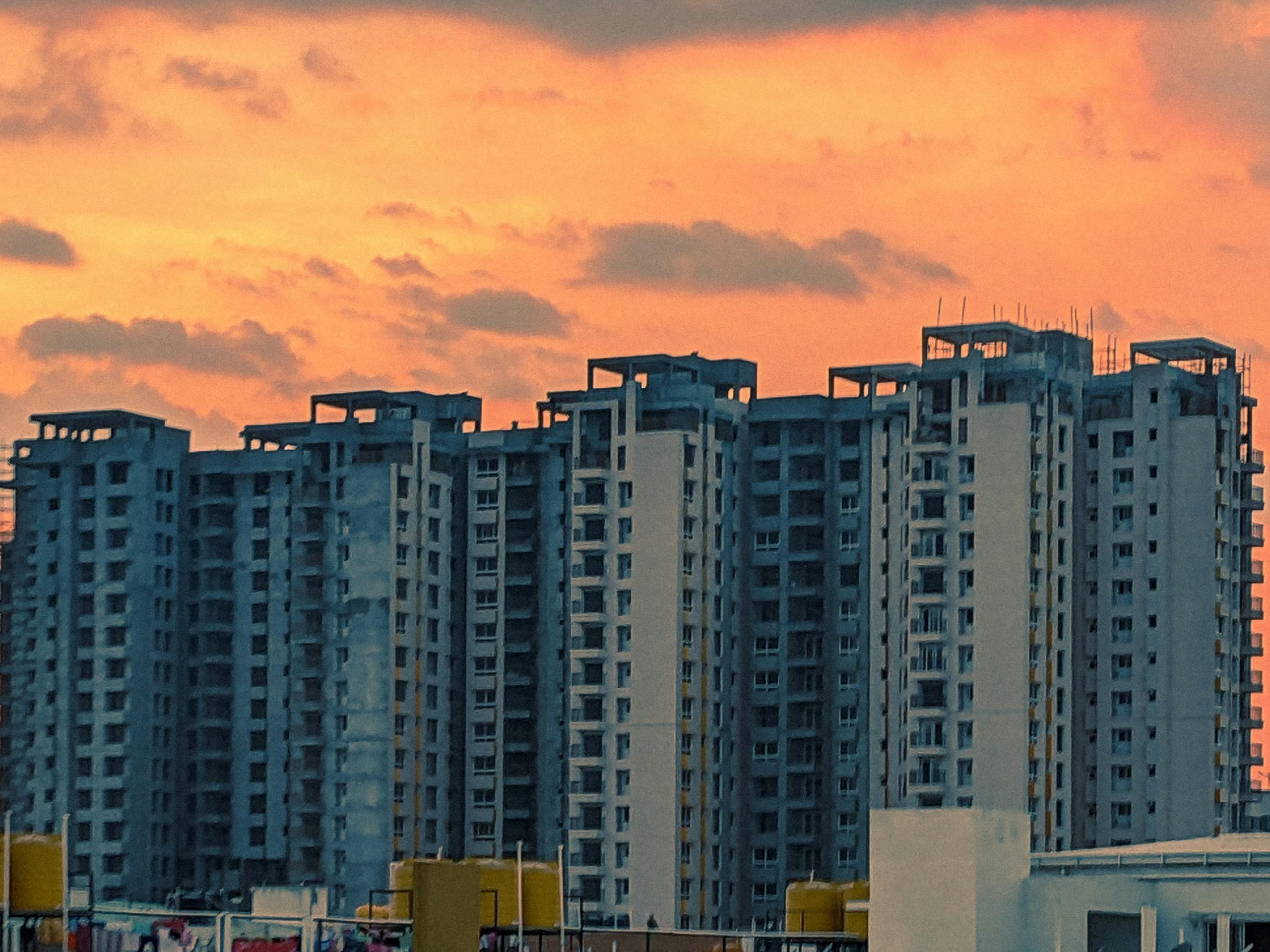
Bengaluru’s rapidly expanding eastern technology corridors are drawing fresh scrutiny from homebuyers as persistent water supply challenges begin to overshadow rising property values. In neighbourhoods where apartment prices have climbed close to ₹2 crore, residents are increasingly questioning the sustainability of basic civic infrastructure, particularly access to reliable piped water.
Areas such as Whitefield, Sarjapur Road and surrounding micro-markets have witnessed intense residential development over the past decade, driven by proximity to technology parks and improved road connectivity. However, despite premium positioning and modern amenities, many housing societies continue to rely heavily on private water tankers due to limited or inconsistent municipal supply. Monthly tanker expenses reportedly range between Rs 5,000 and Rs 8,000 per household, fluctuating with seasonal demand. Industry experts point out that the gap between developer commitments and on-ground water availability has become a critical issue for buyers. “Verbal assurances about piped water are common, but purchasers should insist on written confirmation detailing long-term sources,” said a senior real estate consultant. In several newer developments, borewells and tanker water remain the primary supply despite marketing claims of municipal connectivity. The water challenge is further compounded by groundwater stress in recently urbanised zones. Many eastern suburbs were incorporated into the city limits only in recent years, and supporting infrastructure has struggled to keep pace with residential and commercial growth. As borewell yields decline, dependence on external tanker networks has intensified, raising both costs and concerns over long-term livability.
Lifestyle features such as clubhouses, fitness centres and branded fittings continue to attract buyers, but water security is increasingly emerging as a deciding factor. Urban planners note that older parts of Bengaluru typically enjoy more stable access to both groundwater and piped supply, reflecting earlier planning models that integrated essential services before large-scale housing expansion. Officials acknowledge the imbalance between growth and infrastructure. Authorities are working on expanding network coverage, improving water distribution, and addressing related urban challenges such as flooding and resource management. However, progress in fast-growing eastern corridors remains gradual, leaving residents to manage interim solutions. Despite these constraints, demand in these locations has not softened significantly, underlining Bengaluru’s enduring appeal as an employment hub. Yet buyers are becoming more discerning, weighing water reliability alongside price, location and amenities. Experts argue that clearer disclosure norms, coordinated planning between civic agencies and developers, and sustainable water management practices will be essential to safeguard long-term urban resilience.
As Bengaluru continues to evolve, the experience of its eastern corridors underscores a broader lesson for Indian cities: housing growth must be matched by inclusive, sustainable infrastructure to ensure equitable and liveable urban futures.
Also Read: Pune Residential Sales Hit 14,234 Units While Stamp Duty Touches Rs 565 Crore
Bengaluru Homebuyers Flag Water Issues As Apartment Prices Near INR 2 Crore
