


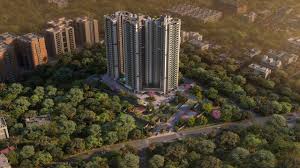
As Bengaluru builds upwards to accommodate land scarcity and rising housing demand, apartment buyers are increasingly weighing the trade-offs of high rise living against long-term safety, access and resale resilience. The debate is no longer about views alone; it is about how vertical growth aligns with infrastructure capacity and ageing urban populations.
In emerging corridors and established IT districts alike, towers exceeding 20 floors are becoming standard. Urban planners say this shift reflects both policy relaxation on floor area ratios and market appetite for compact land use. Yet for households committing to 20–25 year mortgages, floor selection is turning into a life-cycle decision rather than a lifestyle upgrade. Fire preparedness has emerged as a primary concern in high rise living. Safety specialists note that evacuation protocols, pressurised stairwells, refuge areas and functional sprinkler systems are non-negotiable in tall structures. In dense neighbourhoods, response time for fire services can vary depending on road access and congestion. Experts advise buyers to examine compliance certificates and on-site emergency infrastructure before evaluating aesthetics. Elevator dependence is another defining feature. In towers with limited lift capacity, waiting time during peak hours or maintenance shutdowns can affect daily routines. For older residents, reliance on elevators may restrict spontaneous movement or complicate medical emergencies. Urban designers argue that inclusive housing must anticipate mobility challenges, ensuring that high rise living remains viable across age groups and physical abilities.
At the same time, upper floors continue to command price premiums. Developers typically price higher levels incrementally above lower ones, citing structural reinforcement costs, vertical pumping systems and construction logistics. Property consultants say demand is driven by reduced street noise, improved cross-ventilation and lower exposure to dust and vehicular emissions factors increasingly relevant in a city grappling with air quality and traffic stress. However, lower floors are not without risk. In rapidly densifying micro-markets, new towers can alter light access, airflow and privacy. Industry analysts note that resale values may fluctuate depending on how surrounding plots are redeveloped over time. In this context, buyers are being urged to assess not just the building, but the neighbourhood’s long-term planning framework. The conversation around high rise living in Bengaluru also intersects with broader questions of infrastructure readiness. Water supply systems, sewage capacity, power backup and emergency access roads must scale with vertical density. Without coordinated upgrades, experts caution, taller skylines could strain already stretched civic systems.
As the city continues its vertical expansion, the critical question is not whether to live on the 20th floor or the second. It is whether high rise living can be supported by resilient infrastructure, inclusive design and regulatory oversight that protects both current residents and future generations.
Also Read: Bengaluru Sarjapur Road sees Shriram land buy
