Bengaluru Hebbal Junction Sees Improved Vehicle Flow
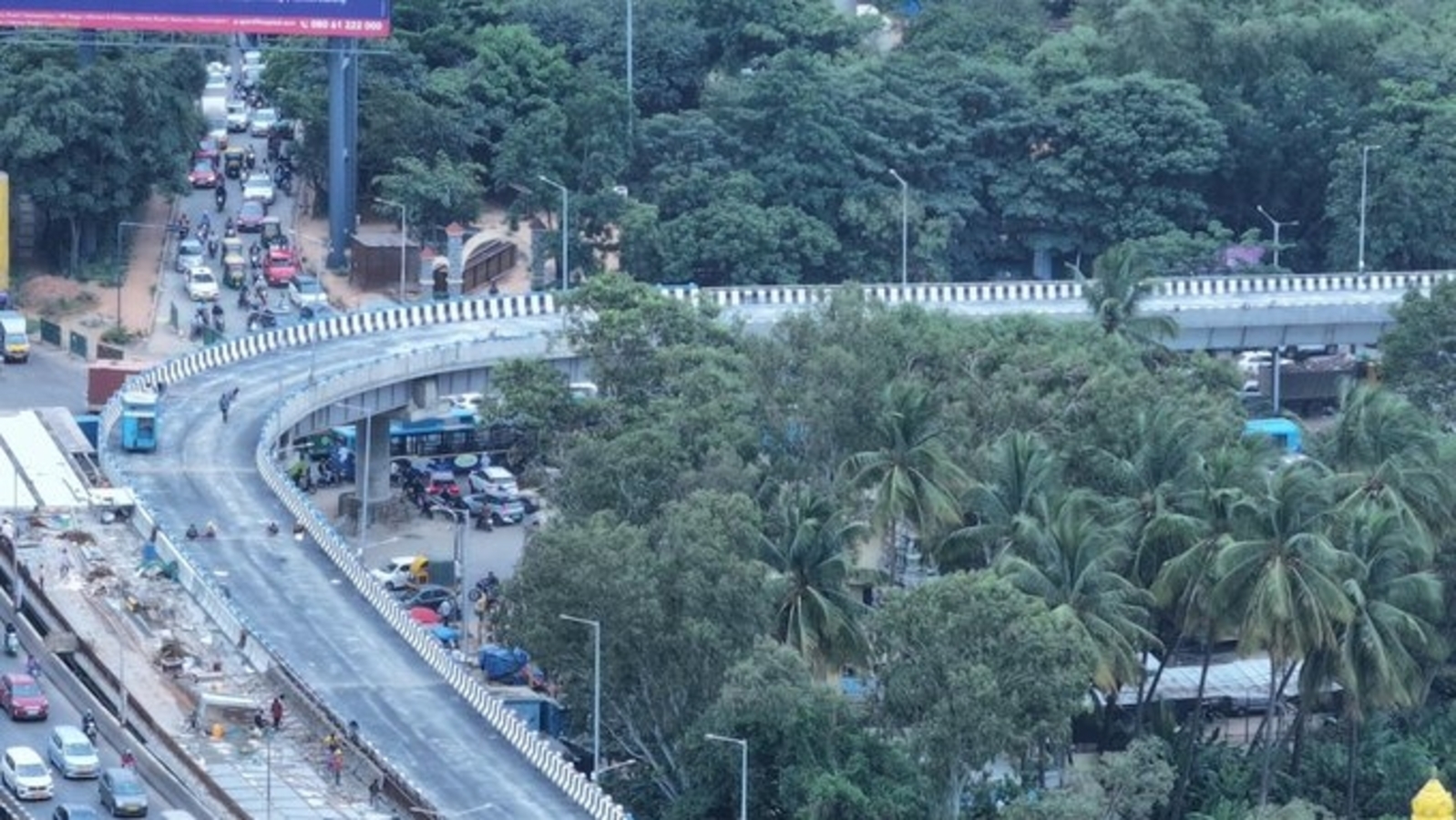
Bengaluru’s Hebbal junction, long notorious for daily congestion, has received a major infrastructure upgrade with the opening of a new flyover ramp on New Year’s Day. The 1.25-kilometre extension integrates with existing loop ramps to improve vehicle flow, offering immediate relief to commuters navigating one of the city’s busiest intersections. Urban planners suggest the project reflects a broader push to decongest Bengaluru’s arterial corridors and streamline northbound connectivity.
The ramp enhances access from the Nagawara side to Mehkri Circle, allowing motorists to bypass sharp merges and frequent bottlenecks that previously slowed traffic. Similarly, vehicles from the Esteem Mall service road now follow a more direct trajectory through the junction, reducing overlap with other traffic streams. Early assessments indicate that these changes have already cut congestion by approximately 30%, lowering peak-hour delays and supporting smoother circulation for both private and commercial vehicles.
Connectivity improvements extend beyond Hebbal’s immediate loops. Traffic transitioning from Tumakuru Road via the Outer Ring Road now experiences a more efficient route toward central Bengaluru, easing pressure on surface-level roads at the junction. By linking older and newer ramps, the design ensures a near-continuous flow of vehicles without forcing them back into congested intersections, a feature that transportation engineers highlight as critical in managing dense urban traffic.The project also demonstrates how infrastructure upgrades can support sustainable urban mobility. Reduced congestion directly lowers idling time for vehicles, which in turn can cut emissions and fuel consumption along major commuter corridors. Experts note that such interventions are particularly relevant for Bengaluru, where rising vehicle density has increasingly strained both road capacity and air quality.
For residents and urban authorities, the new ramp represents both a functional and strategic improvement. In addition to easing immediate commuter delays, it strengthens the north Bengaluru road network, creating capacity for anticipated growth in private vehicle traffic and public transport routes. Analysts caution, however, that such projects must be complemented by broader traffic management strategies, including smart signal systems, dedicated bus lanes, and pedestrian safety measures, to sustain long-term benefits.
As Bengaluru enters 2026, the Hebbal ramp underscores the importance of targeted infrastructure upgrades in dense urban environments. Its integration with existing loops offers a model for addressing chokepoints in other high-traffic intersections, highlighting how careful planning and phased development can enhance mobility, reduce travel time, and support cleaner, more efficient urban transportation networks.