


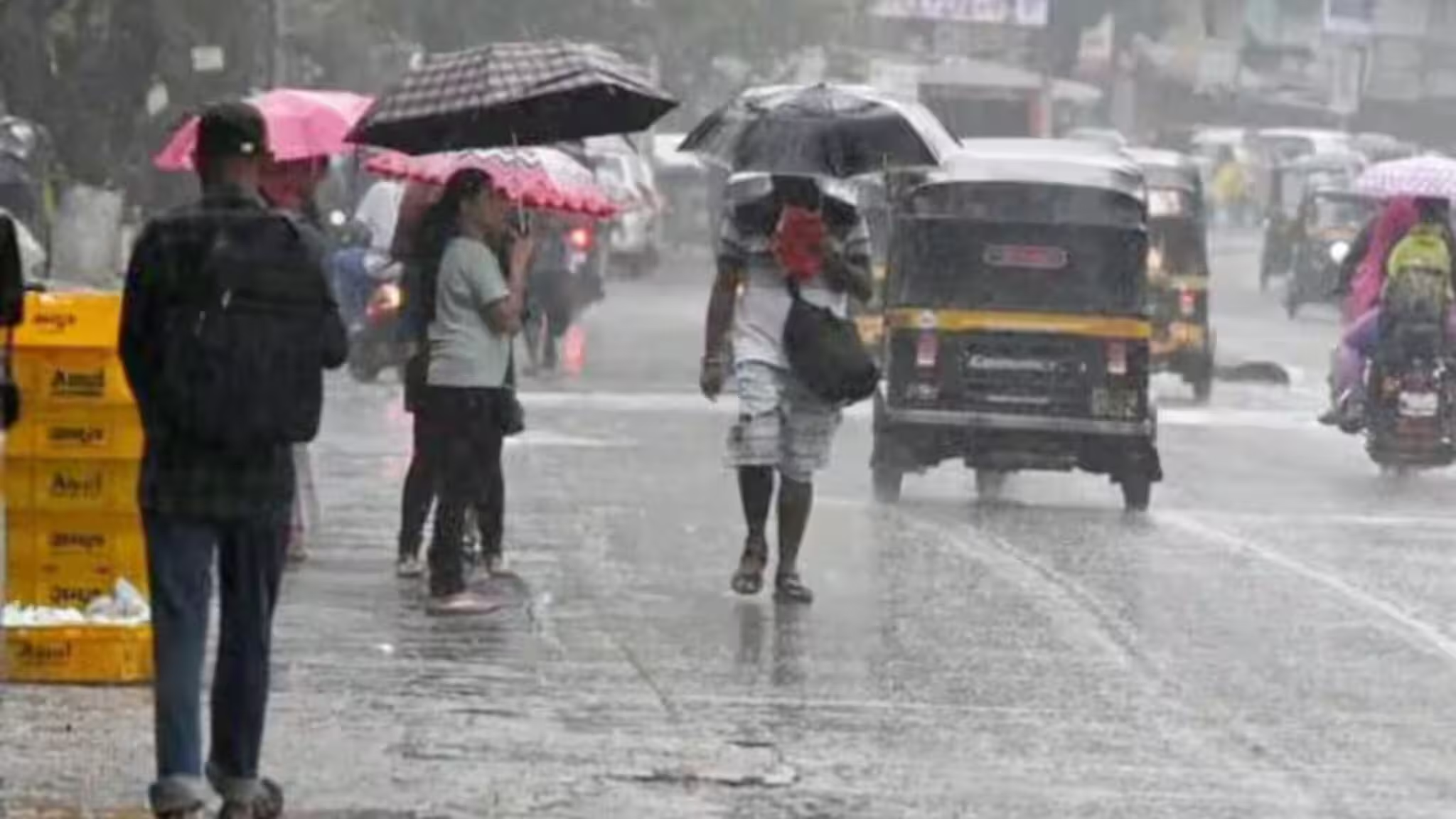
Bengaluru Rains Ease Heat Amid Flood Alerts in Belagavi
Bengaluru has experienced a notable shift in weather patterns as monsoon rains alleviated a prolonged period of intense heat, providing temporary relief for residents and urban commuters.
While temperatures in the city moderated, neighbouring districts, including Belagavi, faced localized flooding, underscoring the uneven impact of seasonal rainfall on urban and peri-urban regions of Karnataka.Urban climatologists and city planners point out that these weather variations highlight the vulnerabilities of rapidly urbanising areas to sudden climate events. In Bengaluru, high-density settlements, unplanned drainage networks, and heat-retaining infrastructure had amplified the impact of previous heatwaves, increasing energy consumption and straining urban water resources. The recent rainfall, though easing temperatures, exposes the need for integrated water management systems that balance flood mitigation with urban cooling.
Economically, the respite from extreme heat temporarily reduces demand for cooling appliances, decreasing household energy expenditure. Industry analysts note that consistent rainfall, if managed properly, could also improve water levels in municipal reservoirs, affecting long-term urban planning, real estate development, and industrial operations dependent on reliable water supplies.
Conversely, the flooding in Belagavi has disrupted local transport and agricultural activities, demonstrating how uneven weather patterns can produce cascading economic and social effects in connected urban-rural systems.From an infrastructure perspective, urban planners emphasise the importance of resilient drainage and stormwater management systems. Bengaluru’s stormwater drains, though extensive, are often compromised by encroachments and solid waste accumulation, limiting their effectiveness during intense rain events. Experts suggest that retrofitting drainage corridors, expanding green cover, and incorporating permeable surfaces in new developments could simultaneously mitigate flooding and reduce urban heat island effects.Environmental and public health considerations are also critical. Lower urban temperatures reduce heat-related health risks, but standing water from heavy rains can increase vector-borne diseases if not managed efficiently. City authorities are therefore advised to integrate early-warning systems, climate-responsive building codes, and community-based monitoring to enhance urban resilience and safeguard citizens.
Looking ahead, Bengaluru’s experience demonstrates the dual challenge Indian cities face: balancing heat relief with flood preparedness, while ensuring sustainable, climate-resilient growth. Coordinated urban planning, informed by real-time meteorological data, remains essential to mitigate the socio-economic risks of increasingly erratic monsoon patterns and rising temperatures.
Also Read:Bengaluru JC Road Footpath Encroachments Persist
