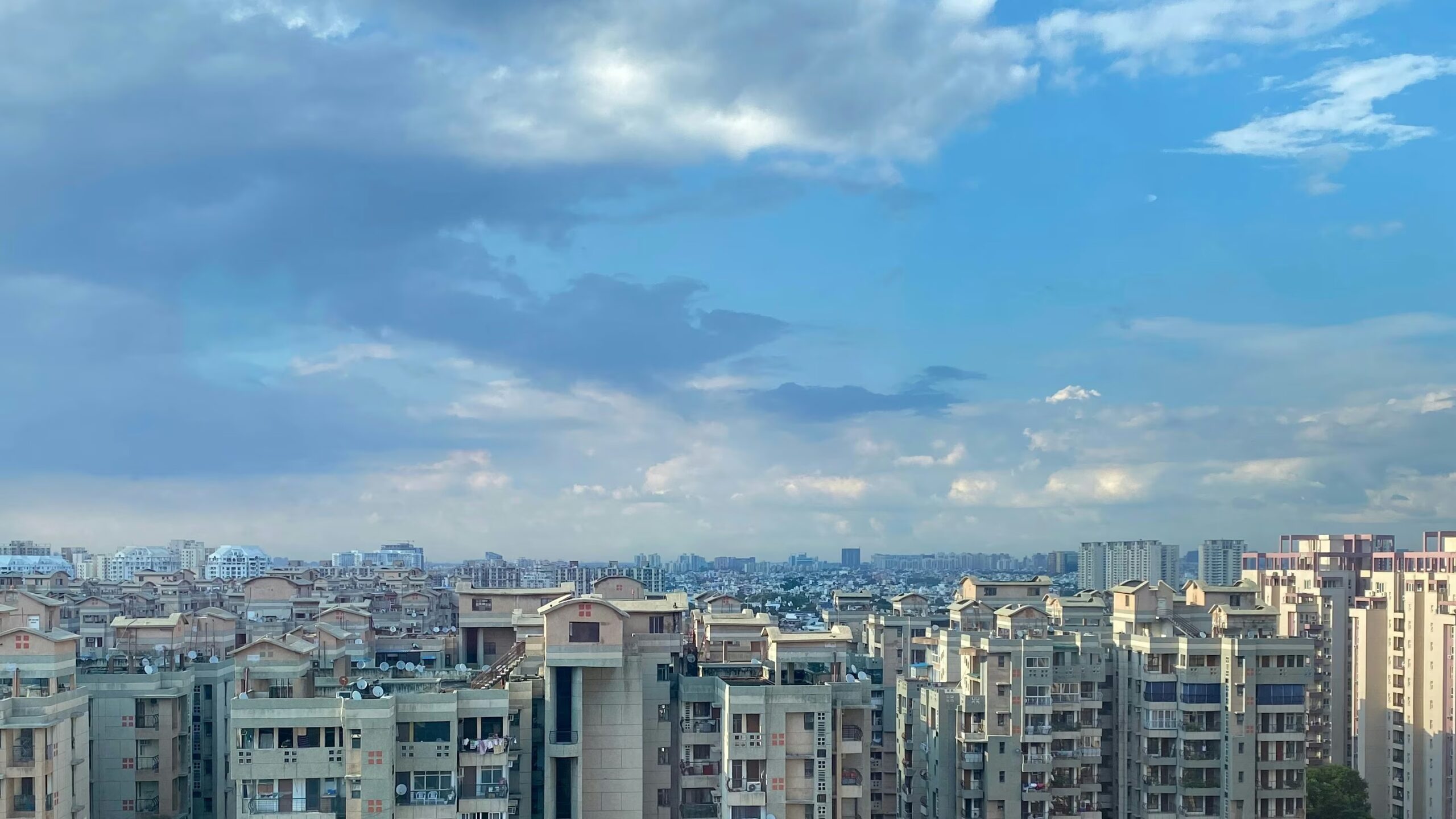
Bengaluru is transitioning from prolonged winter cool to sustained warmth, with meteorological data indicating a clear uptick in temperatures across the city. This shift matters beyond daily weather: it underscores emerging patterns in urban climate dynamics that have implications for public health, energy demand, infrastructure planning and sustainable real estate development. Recent observations from official climatology units show that daytime temperatures in central Bengaluru have climbed into the low 30s Celsius, with peripheral zones experiencing highs typical of early pre‑summer conditions. While these readings align with historical seasonal variability, the pace and spread of warming across neighbourhoods signal stress points for urban systems designed around more temperate baseline conditions.
For city administrators and planners, such warming trends intensify pressure on heat‑adaptive infrastructure. “Temperature increases influence everything from power loads to water use,” said a senior climate specialist. Higher maximums in built‑up areas especially where tree canopy cover is sparse exacerbate heat‑island effects, straining electricity grids as demand for cooling rises. This highlights the need for heat‑resilient urban design, green corridors and demand‑side management in electricity supply. Economic sectors are responding to the shifting seasonality too. Real estate developers now face heightened buyer interest in properties with passive cooling features, orientation for airflow and proximate green spaces. Commercial districts are adjusting operations as workforce comfort becomes linked to corporate productivity. “Temperature swings affect occupancy behaviours,” noted an urban development analyst. “Space utilisation and operating costs are increasingly climate‑driven.”
Public health planners also are watching warming trends. Elevated daytime temperatures can worsen respiratory and cardiovascular conditions, particularly among vulnerable populations such as older adults and outdoor workers. Health officials recommend targeted heat advisories, accessible cooling centres and investments in urban forestry to help mitigate these risks. Historically, Bengaluru’s February climatology shows a broad range of highs and lows, shaped by local geography and broader regional weather patterns. Long‑term records confirm February usually straddles moderate means, with occasional excursions into higher or lower extremes. However, recent years have trended towards milder winters and earlier onset of warm spells, mirroring wider climatic shifts seen across the Indian subcontinent.
For citizens, the immediate impacts are tangible. Higher daytime temperatures affect daily routines, mobility choices and comfort levels, while the transition towards summer prompts recalibration of outdoor activities and energy budgeting for households. Urban infrastructure from road surfaces to water distribution systems also must contend with thermal stress that can accelerate wear. Looking ahead, integrating climate intelligence into Bengaluru’s urban planning and policy frameworks will be pivotal. Strengthening adaptive capacities through advanced weather forecasting, inclusive cooling strategies and climate‑aware building codes can help the city manage seasonal extremes without compromising sustainability or equity.