


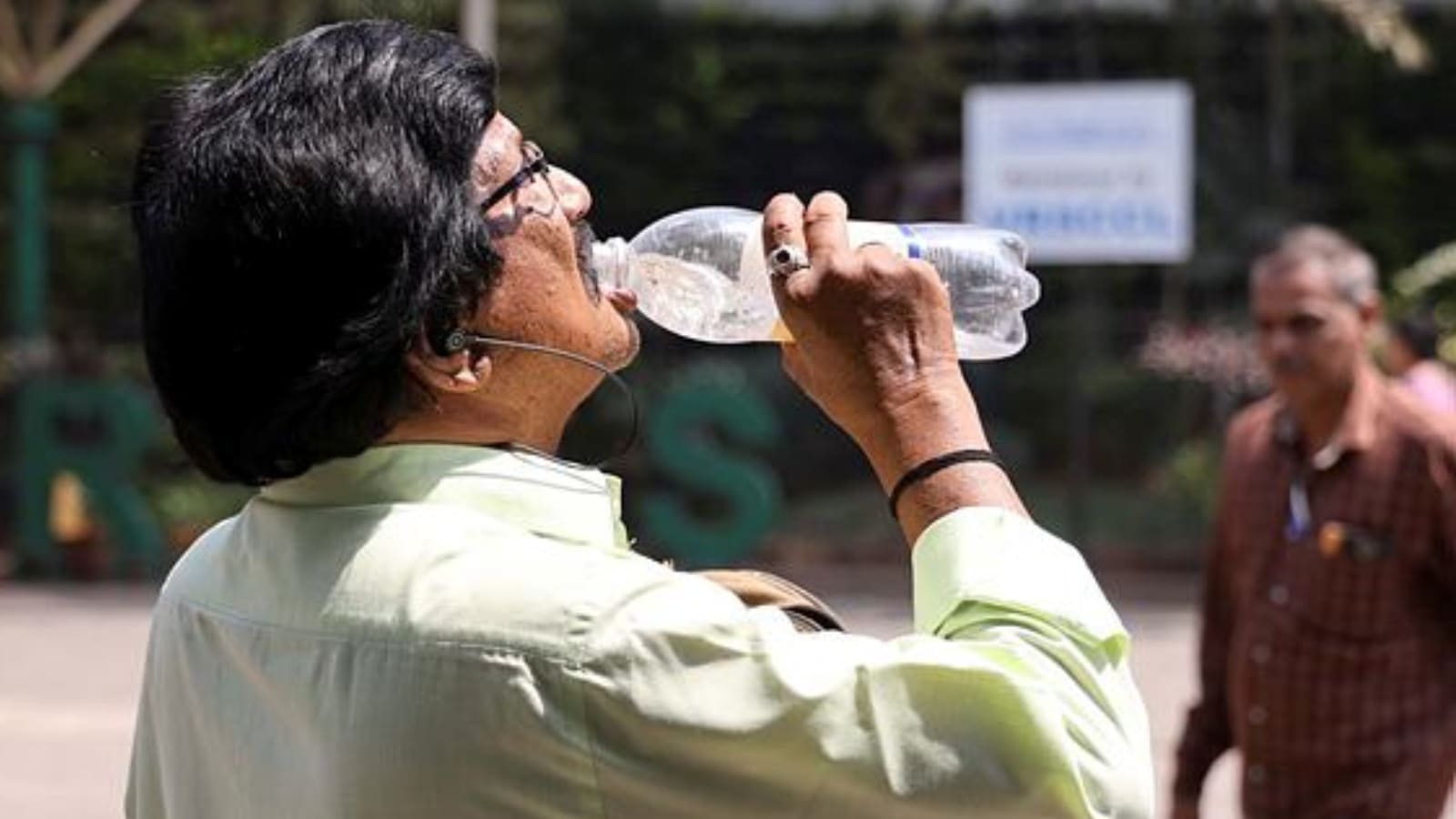
Bengaluru is experiencing a sharp rise in temperatures, prompting public advisories urging residents to stay hydrated and limit exposure during peak daytime hours.
The development reflects an early intensification of summer conditions, with implications for public health, workforce productivity, and urban infrastructure resilience.Meteorological trends indicate that temperatures are climbing steadily above seasonal averages, with prolonged dry conditions contributing to increased heat stress. While the city has traditionally enjoyed milder weather compared to other Indian metros, recent patterns suggest a gradual shift towards more extreme summer conditions.The emerging Bengaluru heat advisory highlights how even historically temperate cities are becoming vulnerable to climate variability. Rising temperatures, combined with urban expansion, are amplifying the urban heat island effect—where built-up areas retain more heat than surrounding regions, leading to higher local temperatures.Public health experts warn that dehydration, heat exhaustion, and related illnesses could increase if precautionary measures are not followed. Outdoor workers, delivery personnel, and commuters are particularly at risk, as prolonged exposure to heat can impact both physical well-being and productivity.
From an urban systems perspective, heat conditions also place additional pressure on infrastructure. Electricity demand typically rises as cooling needs increase, while water consumption surges across residential and commercial sectors. In areas with uneven supply, this can exacerbate existing resource constraints.The Bengaluru heat advisory also underscores the need for climate-responsive urban planning. Experts advocate for measures such as expanding green cover, promoting reflective building materials, and designing shaded public spaces to reduce heat absorption. These interventions can play a critical role in mitigating long-term temperature impacts.There are broader economic implications as well. Heat stress can disrupt daily routines, reduce outdoor activity, and affect sectors reliant on physical mobility. For a city like Bengaluru, where economic activity is closely tied to service industries, maintaining a comfortable and safe urban environment is essential for sustained growth.Urban planners emphasise that addressing rising temperatures requires a combination of immediate and long-term strategies. While public advisories help manage short-term risks, systemic solutions—such as heat action plans and climate-sensitive infrastructure—are necessary to build resilience.
As Bengaluru navigates this period of elevated temperatures, the focus will be on how effectively the city adapts to changing climate realities. The current conditions serve as a reminder that managing urban heat is becoming a critical priority for cities aiming to remain liveable, inclusive, and sustainable in the face of environmental change.
Also Read:Bengaluru Cultural Fusion Brings Ballet And Indian Dance
