


Bengaluru’s Hard Rock Cafe Closes Highlighting Urban Commercial Challenges
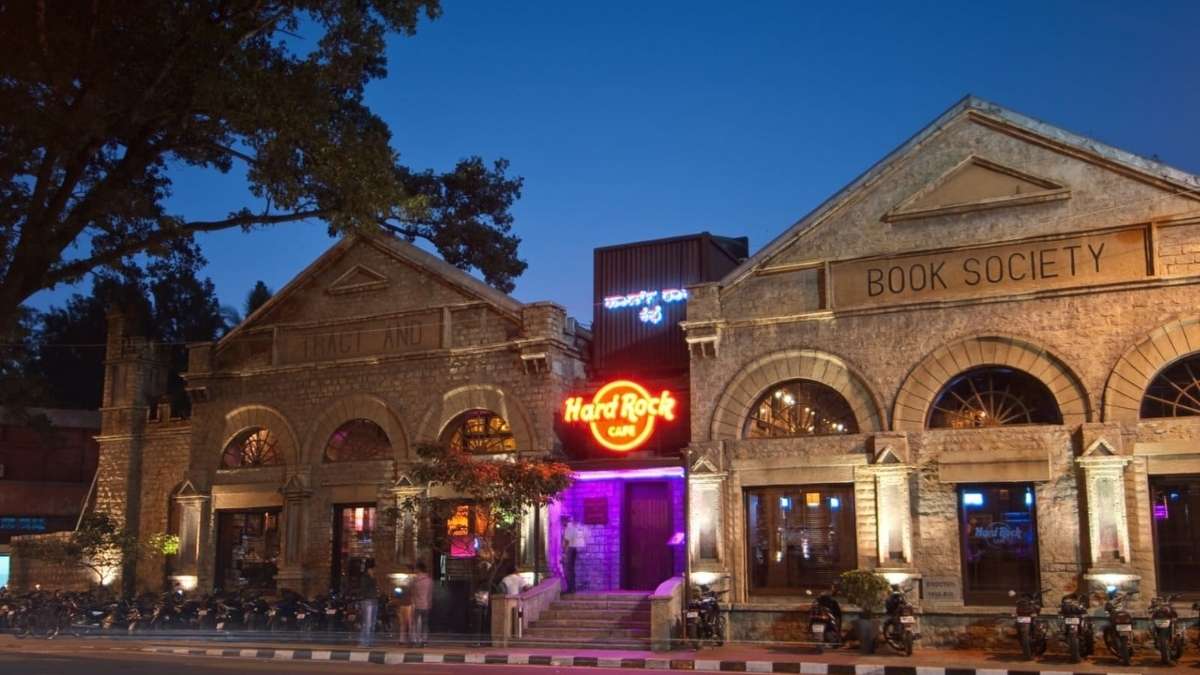
Bengaluru has witnessed the permanent closure of one of its longstanding entertainment and dining landmarks, Hard Rock Cafe, following the termination of its local franchise agreement.
The closure marks a significant shift in the city’s urban commercial landscape, affecting nightlife, tourism, and employment, while raising questions about the sustainability of large-scale themed restaurants in rapidly evolving metropolitan markets.Industry experts note that franchise dynamics in high-rent urban centres often determine the survival of iconic establishments. In Bengaluru, rising commercial rents, regulatory requirements, and evolving consumer preferences for hybrid dining and experiential spaces have intensified pressure on entertainment venues. Analysts emphasise that the closure reflects broader trends in urban real estate and hospitality, where operational costs, supply chain dependencies, and contract disputes can abruptly reshape the city’s service economy.From a civic and economic perspective, the cafe’s shutdown impacts multiple stakeholder groups. Employees, many of whom relied on the venue for livelihood, face immediate displacement, while small-scale vendors and adjacent businesses that benefitted from footfall experience indirect economic strain.
Urban planners highlight that large entertainment venues contribute not only to leisure infrastructure but also to localised urban vitality, drawing visitors and supporting ancillary services such as transport, retail, and parking.The closure also signals the importance of adaptive reuse and resilient commercial planning in city centres. Properties previously hosting high-profile franchises now require strategic redevelopment to avoid long-term vacancy. Senior real estate consultants suggest that mixed-use redevelopment and incorporation of flexible, community-oriented spaces could help preserve the cultural and economic utility of these central urban areas.From a sustainability and urban resilience standpoint, the shift underscores a need for better integration of commercial leases, franchise frameworks, and local policy support. Ensuring continuity of urban leisure spaces requires coordinated approaches involving municipal authorities, property owners, and industry stakeholders. Experts also note that encouraging green, energy-efficient operations and adaptive designs could make iconic venues more financially and environmentally sustainable in dense urban contexts.
Looking ahead, Bengaluru’s experience highlights the delicate balance between heritage, urban commercial vitality, and market realities. As consumer behaviour shifts toward diverse, smaller-scale, and experience-driven venues, city administrators and urban developers are urged to incorporate flexible planning strategies that maintain both economic vibrancy and inclusivity in central business districts.
Also Read:Bengaluru Heatwave Relief Rains Flood Alerts
