


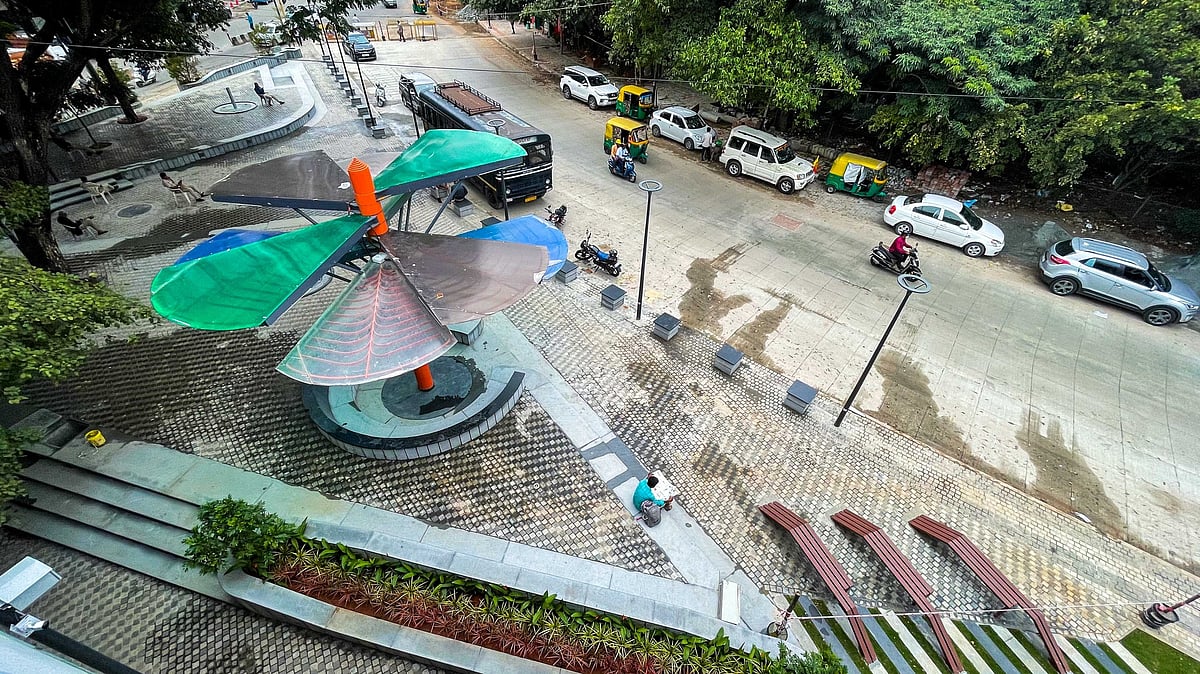
Bengaluru’s neighbourhood streets are increasingly being repurposed into temporary public spaces that prioritise fitness, recreation, and community engagement, reflecting a broader shift in how Indian cities approach urban liveability.
Recent weekend initiatives converting key stretches into pedestrian-friendly zones highlight growing interest in reclaiming roads for non-motorised, people-centric activities.The concept—widely referred to as Happy Streets Bengaluru—involves restricting vehicular traffic during designated hours, allowing residents to participate in activities such as yoga, cycling, art workshops, and group fitness sessions. While these events are periodic, urban planners view them as pilot models for long-term changes in street design and public space utilisation.In a city grappling with congestion and declining per capita open space, such interventions offer a glimpse into alternative urban futures. Bengaluru currently faces challenges linked to rapid expansion, including inadequate recreational infrastructure and uneven access to green spaces. Temporary street closures help bridge this gap, especially in dense residential zones where parks are limited or overburdened.Officials involved in urban mobility planning indicate that these initiatives align with broader efforts to promote non-motorised transport and reduce dependency on private vehicles.
By encouraging walking, cycling, and outdoor activity, Happy Streets Bengaluru also contributes to public health goals, particularly in a post-pandemic context where lifestyle diseases are on the rise.The economic dimension is equally significant. Local vendors, small businesses, and informal sector participants often benefit from increased footfall during such events. For city administrations, this creates a dual advantage—supporting micro-economies while improving urban vibrancy without large-scale infrastructure investments.Urban design experts note that while temporary activations are effective in building awareness, their long-term impact depends on institutionalising similar principles in permanent planning frameworks. This includes wider footpaths, dedicated cycling lanes, traffic calming measures, and inclusive public spaces that cater to all age groups and abilities.There is also a growing emphasis on inclusivity. Organisers are increasingly incorporating activities that are gender-neutral, accessible, and community-driven, ensuring participation across socio-economic backgrounds. This aligns with global trends in urban planning that prioritise equitable access to public infrastructure.However, scaling such initiatives presents challenges. Traffic diversion, enforcement logistics, and coordination among multiple civic agencies require sustained administrative effort. Additionally, the success of Happy Streets Bengaluru depends on consistent public participation and behavioural shifts, particularly in a city where private vehicle use remains high.
As Indian cities navigate the complexities of climate resilience and sustainable growth, such street-level interventions offer practical, low-cost solutions. They demonstrate how incremental changes—when designed thoughtfully—can reshape urban experiences and influence long-term policy direction.
Going forward, the focus will likely shift towards integrating these concepts into permanent urban planning strategies, ensuring that the idea of people-first streets evolves from a weekend experiment into a defining feature of city life.
Also Read:Chennai Flight Fare Surge Ahead Of Long Weekend
