


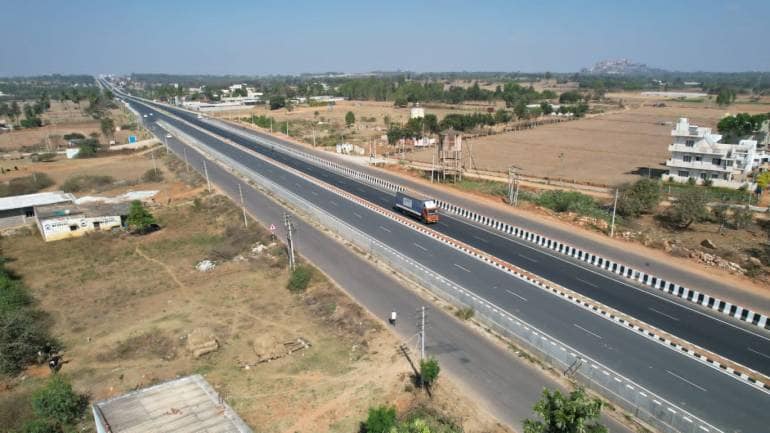
A key stretch in Bengaluru’s Frazer Town has seen partial relief following civic intervention, highlighting the role of responsive governance in addressing localised infrastructure challenges.
The improvements come after persistent concerns over road conditions and commuter inconvenience in one of the city’s densely used corridors.Residents and commuters in the area had flagged issues related to road quality, traffic bottlenecks, and overall accessibility, which were affecting daily mobility. In response, civic authorities initiated corrective measures aimed at easing congestion and improving surface conditions, offering some respite to users of the stretch.The development reflects a broader pattern in urban management where targeted, small-scale interventions can deliver immediate benefits. In rapidly growing cities like Bengaluru, such micro-level infrastructure fixes are often critical in maintaining functionality across the urban network.The situation in Frazer Town underscores the importance of continuous monitoring and maintenance of existing infrastructure. While large-scale projects tend to dominate urban planning discussions, everyday issues such as road upkeep and traffic flow have a direct impact on quality of life and economic productivity.From an urban mobility perspective, the partial resolution of issues in the Bengaluru Frazer Town stretch demonstrates how timely action can reduce travel delays and improve commuter experience.
Even incremental improvements can enhance efficiency, particularly in areas with high traffic density.Experts note that sustained impact will depend on long-term solutions rather than one-time fixes.Addressing underlying causes—such as drainage problems, wear and tear, and unregulated traffic patterns—is essential to prevent recurring issues.The Bengaluru Frazer Town stretch case also highlights the role of citizen engagement in shaping urban outcomes. Feedback from residents and local stakeholders often acts as a catalyst for administrative action, reinforcing the need for participatory governance in city management.There are economic implications as well. Improved road conditions can facilitate smoother movement of goods and people, supporting local businesses and reducing operational inefficiencies. For neighbourhood-level economies, reliable infrastructure is a key enabler of growth.Urban planners emphasise that integrating maintenance strategies into broader city planning frameworks is essential. Regular audits, data-driven monitoring, and coordinated action across agencies can help ensure that infrastructure remains functional and resilient.
As Bengaluru continues to expand, the focus on maintaining existing assets will be as important as developing new ones. The partial relief in Frazer Town serves as a reminder that effective urban governance lies in addressing both large-scale ambitions and everyday challenges.Moving forward, sustained attention to such localised issues will be crucial in building a city that is not only efficient but also responsive to the needs of its residents.
Also Read:Bengaluru Evening Showers Bring Relief From Summer Heat
