


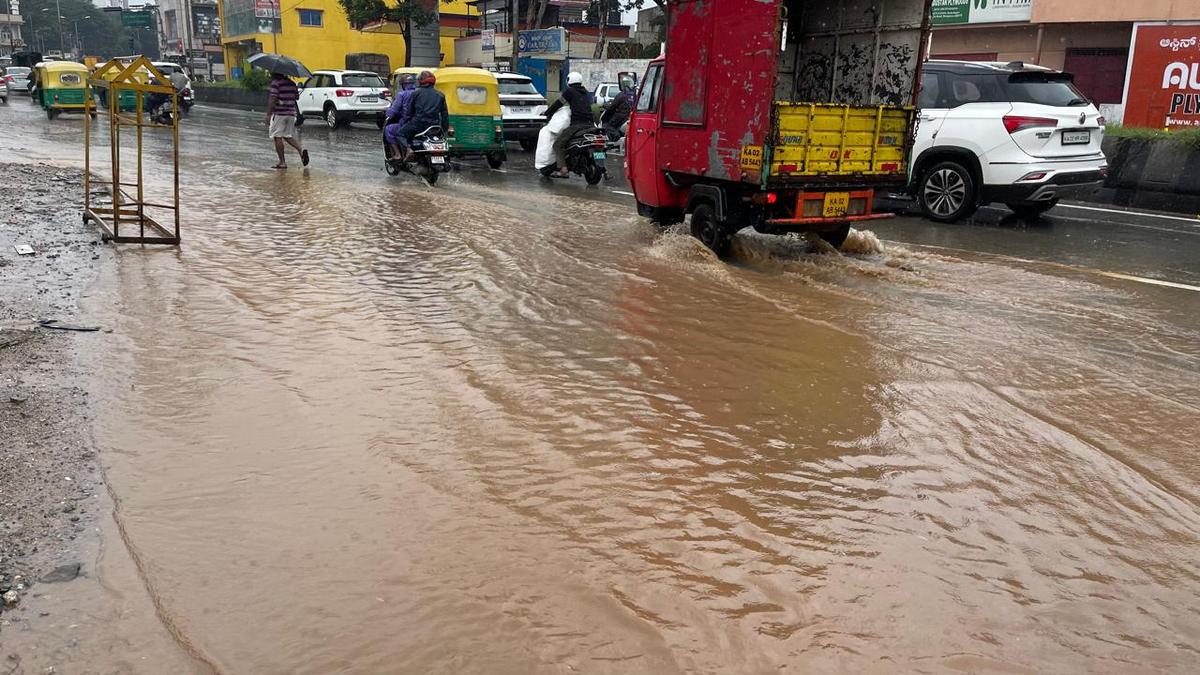
Bengaluru, the capital city of Karnataka, experienced significant flooding over the weekend due to heavy rainfall, leading to widespread waterlogging and traffic disruptions.
The India Meteorological Department (IMD) has issued a yellow alert for Bengaluru and 22 other districts in Karnataka, forecasting continued heavy rainfall accompanied by thunderstorms and gusty winds through May 22. The downpour resulted in severe waterlogging in several low-lying areas of the city. Sai Layout in Horamavu was particularly affected, with residents reporting water levels reaching up to five feet, inundating homes and streets. This recurring issue has led to growing frustration among residents, who attribute the flooding to inadequate infrastructure and official apathy.
In response to the flooding, the Bruhat Bengaluru Mahanagara Palike (BBMP) has initiated measures to address the situation. BBMP Chief Commissioner Maheshwar Rao visited the affected areas and assured residents that steps would be taken to find a permanent solution to the waterlogging issues. Temporary measures, such as the installation of jackwell systems with pumps, are being implemented to mitigate the immediate impact. The heavy rains have also led to traffic disruptions across the city. Key junctions like Silk Board, Bommanahalli, and HRBR Layout experienced significant waterlogging, causing gridlocks and delays. The Bengaluru Urban zone recorded 132 mm of rainfall overnight, marking one of the heaviest rainfalls in recent years
The flooding has sparked political criticism, with opposition leaders blaming the ruling government for the city’s inadequate infrastructure and poor urban planning. Critics argue that despite the implementation of the Greater Bengaluru Governance Act, which came into effect on May 15, the city continues to suffer from recurring flooding and infrastructure issues. As Bengaluru braces for continued rainfall in the coming days, authorities are urging residents to stay alert and avoid waterlogged areas. The IMD’s yellow alert remains in effect, and civic bodies are on high alert to manage potential emergencies. The situation underscores the urgent need for sustainable urban planning and infrastructure development to address the challenges posed by extreme weather events.
Also Read : Rain Likely in South India Heat to Rise in North
