Bengaluru Faces Six-Hour Power Outage Amid Solar Upgrade In Garag Substation
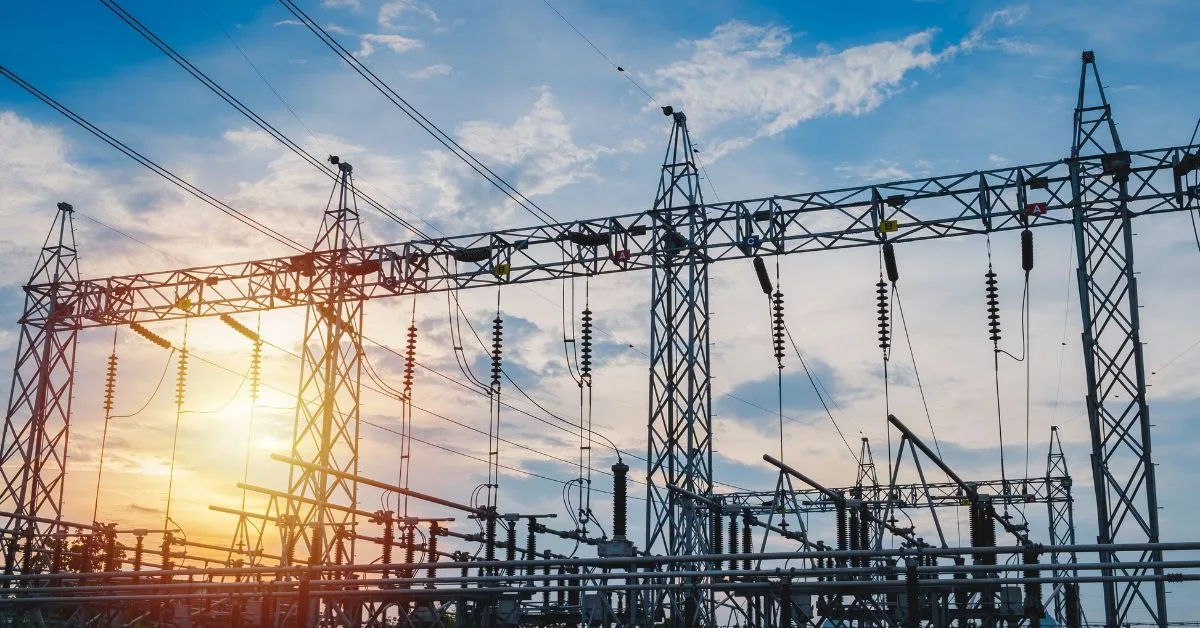
A six-hour power cut has been scheduled across parts of Bengaluru’s Hosadurga taluk today, disrupting daily life for many households and small businesses. The outage, set from 11 am to 5 pm, has been announced to facilitate infrastructure upgrades linked to a solar power initiative at the 66/11 kV Garag substation. Officials from the power distribution agency confirmed the planned disruption, urging residents to plan ahead. While the move supports the transition to cleaner energy, it also raises concerns around preparedness and access in semi-urban areas increasingly dependent on reliable electricity.
The planned outage underscores a deeper shift underway in Bengaluru’s energy infrastructure. With demand for clean power surging, projects like the one at Garag substation are part of broader efforts to integrate solar into the city’s distribution network. While this transition supports India’s decarbonisation goals, the short-term impacts on communities without adequate backup systems are evident. Residents in Hosadurga taluk, which includes a mix of peri-urban settlements and growing commercial activity, voiced worries over food storage, water pumping, and remote work disruptions caused by frequent cuts. Experts say planned outages should ideally come with longer notices and include community support for vulnerable populations. With digital access, healthcare devices, and local economies now tightly linked to uninterrupted electricity, even a few hours of power loss can result in cascading effects.
The six-hour disruption today, though routine in purpose, brings to light the pressing need for grid reliability and alternative energy storage to manage such transitions more equitably. Infrastructure upgrades must be matched with resilience-building for communities that face the brunt of these changes. This development also highlights the city’s broader challenge of balancing renewable energy goals with service reliability. Bengaluru’s push for decentralised solar power is commendable, yet questions remain around how equitably the benefits—and the burdens—are distributed. Residents say timely alerts, stronger communication, and clearer backup mechanisms are essential, especially in outer zones like Hosadurga taluk, where infrastructure gaps still exist. Small shopkeepers and students preparing for exams have expressed frustration at the timing and frequency of such outages.
As the city advances its solar power ambitions, utility companies must ensure smoother transitions with minimal disruption. Power cuts may be inevitable during upgrades, but thoughtful scheduling, public communication, and grid preparedness will go a long way in protecting livelihoods and trust. As climate-resilient infrastructure becomes a national priority, cities like Bengaluru must lead with both innovation and inclusion—ensuring no community is left powerless in the name of progress.