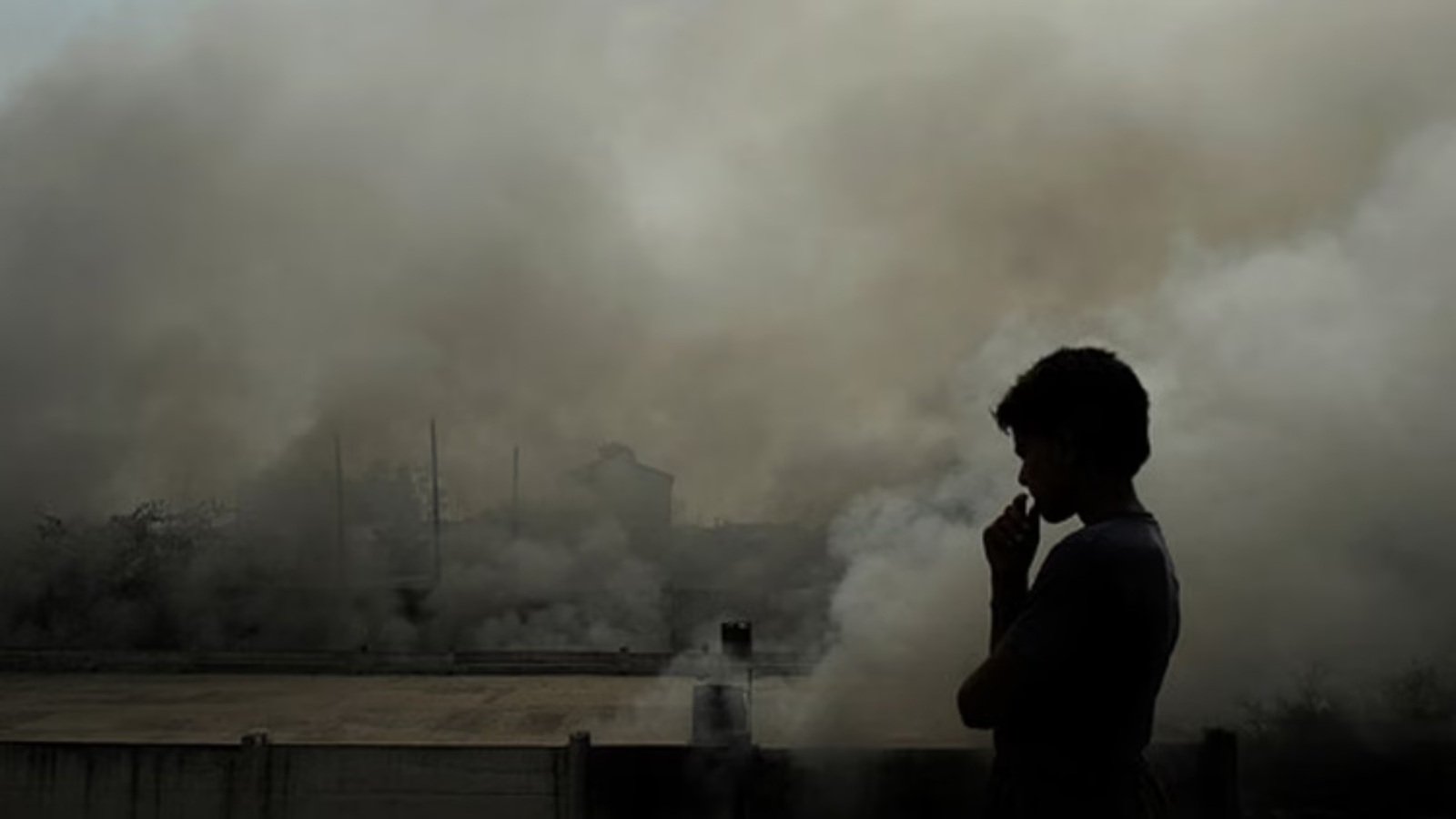
Bengaluru’s air quality has entered the “poor” category today, with real-time measurements indicating elevated levels of particulate matter across the city. Monitoring stations report PM2.5 concentrations at 160 and PM10 at 121 in Kadabesanahalli, marking it as the area with the highest pollution exposure. In contrast, Hombegowda Nagar registered the lowest AQI at 80, reflecting more moderate air conditions. Yesterday, the city’s overall air quality index stood at 168, signalling persistent pollution concerns in India’s tech hub.
Urban planners and public health experts emphasise that sustained exposure to particulate matter above 100 AQI can aggravate respiratory issues, particularly among children, the elderly, and those with pre-existing conditions. “Air quality fluctuations are increasingly linked to dense traffic corridors and construction activity,” notes a senior urban environment analyst. The current readings underscore the growing need for proactive monitoring and targeted mitigation measures in rapidly urbanising cities like Bengaluru.
Bengaluru’s air pollution dynamics are shaped by a combination of vehicular emissions, construction dust, and seasonal meteorological patterns. Experts point out that the city’s rapid infrastructure expansion and the proliferation of high-rise developments contribute to dust levels and reduce natural ventilation corridors. Meanwhile, transport demand continues to surge, reinforcing emissions from private vehicles and public transport fleets. Such factors collectively maintain PM2.5 and PM10 levels above safe thresholds on multiple days each month. The economic implications are tangible. Poor air quality affects workforce productivity, with vulnerable populations requiring protective measures or restricted outdoor activities. Urban developers and civic authorities are increasingly tasked with balancing infrastructure growth against environmental safeguards. The deployment of real-time AQI monitoring systems and public awareness campaigns are among the recommended strategies to reduce exposure and inform daily routines.
City planners advocate for integrating green buffers, optimising traffic flows, and regulating construction emissions to mitigate pollution spikes. Residential communities and commercial districts, particularly in pollution hotspots, are encouraged to invest in indoor air purification and time outdoor activities during periods of lower smog density. While immediate interventions are necessary, sustainable urban planning remains central to addressing the chronic air quality challenges Bengaluru faces. As Bengaluru navigates its rapid urbanisation trajectory, daily AQI monitoring will continue to serve as a vital tool for policymakers, businesses, and residents. The evolving data highlights the intersection of public health, infrastructure planning, and sustainable development, signalling the need for coordinated action to safeguard both urban productivity and citizens’ well-being.