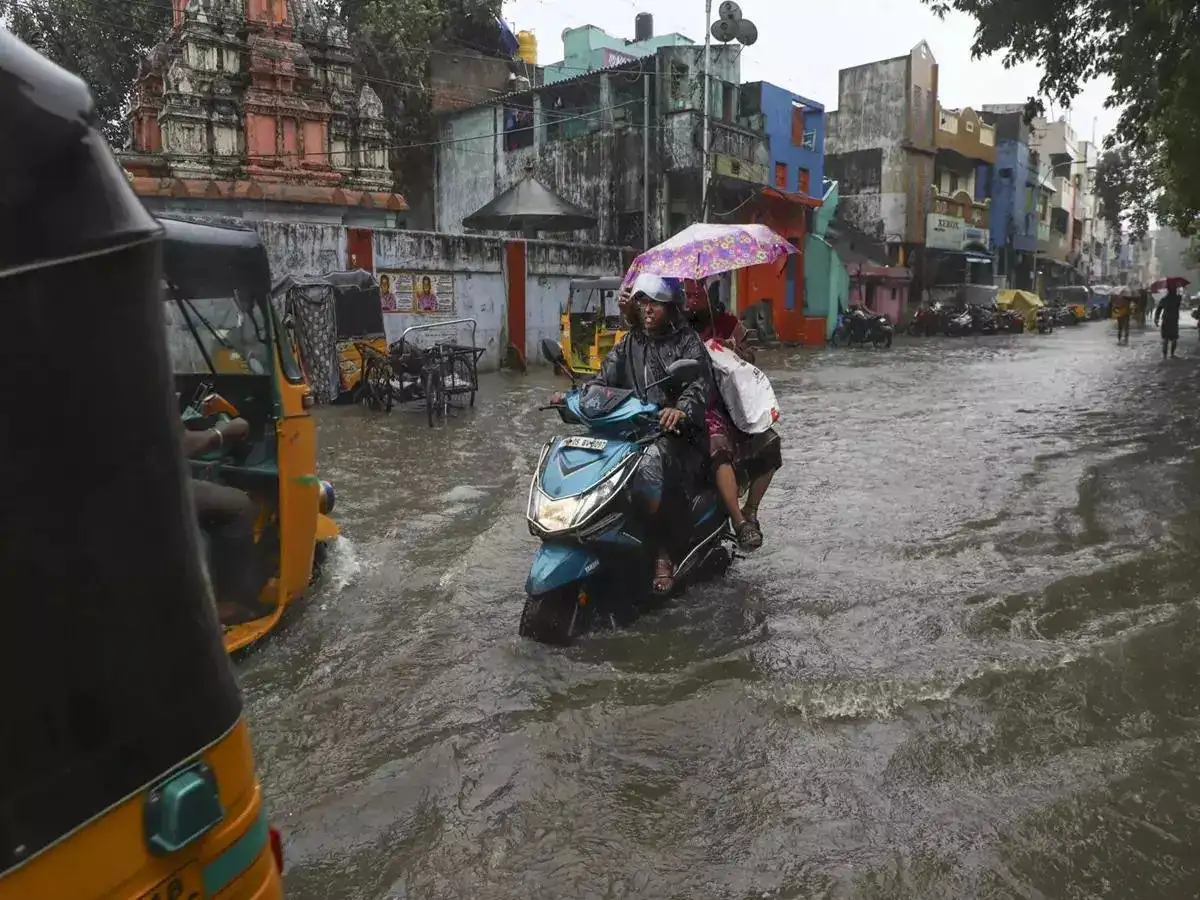
Bengaluru and wider Karnataka are under heightened weather vigilance after the India Meteorological Department (IMD) issued an official rain alert, forecasting sustained showers and intermittent thundershowers across the city and adjoining districts in the coming days. The alert underscores emerging climate variability and its likely impact on urban mobility, infrastructure resilience and routine economic activity.
The IMD’s bulletin places Bengaluru Urban and neighbouring zones on watch with forecasts of intermittent rainfall — ranging from isolated light showers to episodes of moderate downpours — accompanied by gusty winds. This comes amid broader weather patterns affecting southern India, where wintertime systems are bringing cloud cover and precipitation outside the usual monsoon window. Urban planners and civic managers view such alerts through the lens of growing weather unpredictability in tropical cities. Bengaluru’s drainage infrastructure, already tested by sudden rain bursts during past seasons, faces renewed pressure as ground conditions remain relatively soaked from earlier winter showers. Local transport analysts caution that even light rain can disrupt peak hour flows and provoke pothole-related hazards on arterial corridors.
For residents, the combination of chillier mornings and periodic rain could alter routine patterns. Meteorological prognoses indicate a drop in minimum temperatures in Bengaluru alongside chances of cloudy skies and showers at isolated locations across Karnataka’s districts including Kolar, Chikkaballapura, Tumakuru and Ramanagara. Economists and retail sector observers note that weather alerts, even short-term, can affect footfall in commercial centres and influence discretionary spending, particularly in street markets and open public spaces. Outside of core tech employment hubs, micro-enterprise vendors and informal workers — who depend on consistent pedestrian activity — are especially exposed to weather-induced demand fluctuations. Climate assessments by urban analysts underscore that such episodic rainfall events are increasingly common in transitional seasons and call for integrating climate resilience into city planning.
Infrastructure authorities are monitoring conditions for potential waterlogging in low-lying zones, while traffic agencies are issuing routine guidance on cautious driving during wet spells. Emergency services are also on alert for ancillary incidents such as uprooted weak tree branches and temporary interruptions to power supply — common byproducts of sudden showers with wind gusts. IAM experts point out that cities like Bengaluru, with rapidly expanding urban footprints, must fast-track upgrades to stormwater networks and invest in real-time hydrological monitoring tools to mitigate disruption. Evidence from recent weather science research suggests that short, intense rain spells coupled with fluctuating temperatures are likely to become more frequent, reinforcing the need to mainstream climate-aware design standards.
As the Bengaluru metropolitan region braces for variable weather in the short term, authorities and residents alike are urged to heed weather advisories, plan travel smartly and use civic services effectively. Adaptive measures — from rain-ready commuting behaviour to strengthened urban water management — remain key to navigating intermittent rainfall without significant disruption.