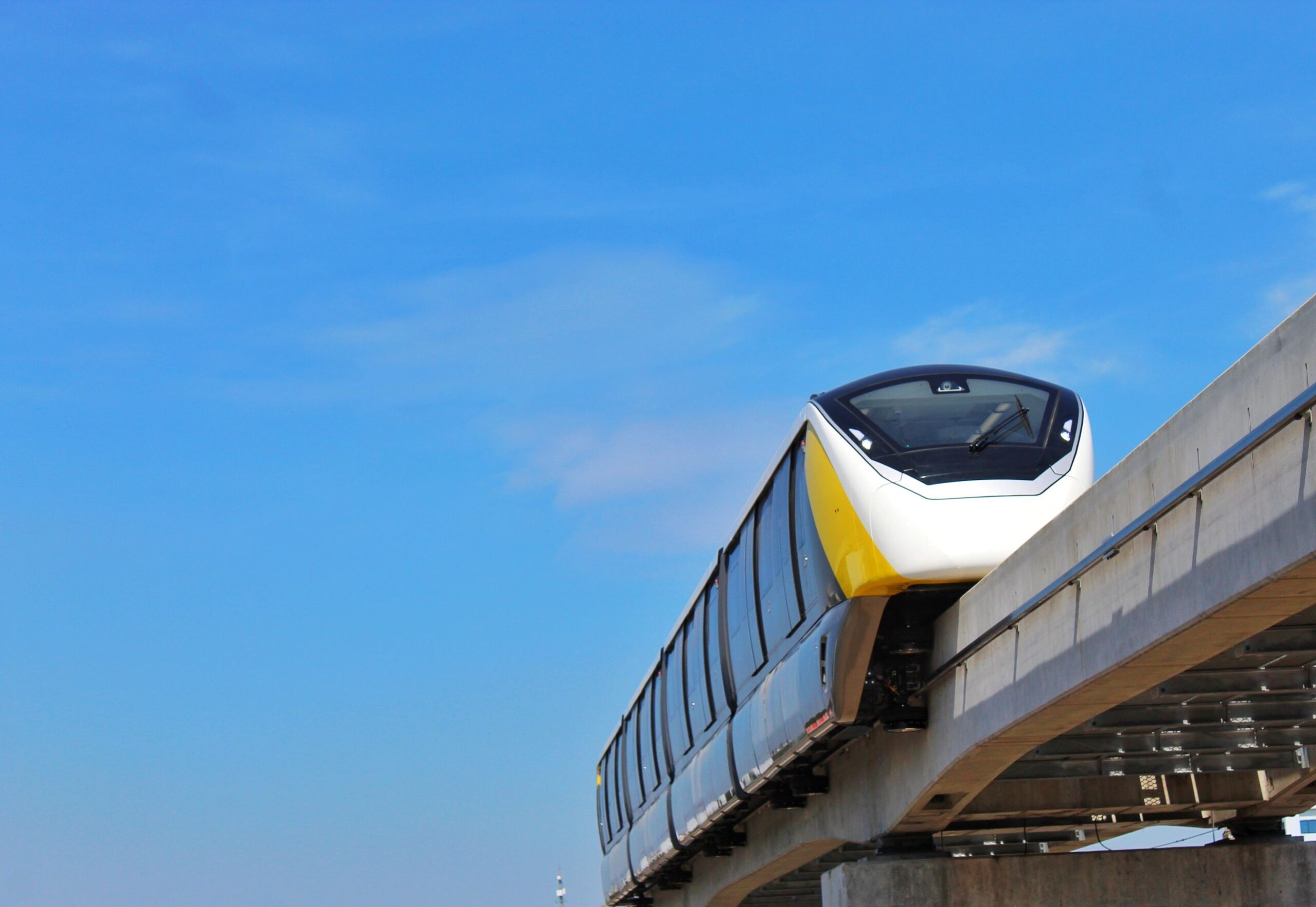
Bengaluru Enhances Yellow Line Service Frequency
Bengaluru’s Namma Metro has taken a step towards easing commuter pressure on the busy Yellow Line with the arrival of its sixth train set at the Hebbagodi depot. The additional six-coach unit, recently transported from Kolkata, is expected to reduce service intervals to about 12 minutes once it clears mandatory safety testing. The upgrade signals the operator’s attempt to keep pace with demand on one of the city’s most economically significant corridors.
Operations on the Yellow Line, which links R V Road to Bommasandra and serves the Electronics City employment hub, began in August 2023 with three trains. Daily ridership has since grown steadily to an estimated 80,000 passengers. According to a senior official, the growing traffic has created persistent peak-hour congestion, making faster turnaround times a critical operational priority. With five trains already in service, the introduction of a sixth set marks a small but meaningful improvement in the city’s public transport capacity. Urban mobility experts note that incremental additions such as this are essential until larger fleet procurements materialise. “Cities often struggle to match transport supply with rapidly shifting work patterns. Increasing the frequency, even modestly, can significantly improve commuter comfort and encourage modal shift away from private vehicles,” said an industry analyst.
Metro authorities indicated that the new train will undergo inspection, calibration and trial runs in line with national safety standards before joining the fleet. For now, all existing trains are deployed during peak hours, leaving no spare set available for contingencies. The new arrival offers temporary operational breathing room, while additional units expected in the coming months could help stabilise service reliability. The Yellow Line plays a vital role in connecting workers to Bengaluru’s technology cluster, a district where mobility constraints have long shaped productivity and land-use patterns. Improvements in frequency are therefore not merely about shorter waits; they reflect the broader economic stakes of building dependable mass transit networks in fast-growing urban regions.
Transport planners argue that investments in high-capacity systems like metro rail are central to Bengaluru’s transition towards cleaner, more inclusive mobility. By improving the public transport experience, the city moves closer to reducing car dependency, cutting emissions and creating safer commutes for all genders and age groups. While a single additional train cannot resolve structural gaps in the network, it contributes to a gradual strengthening of a system that underpins equitable access to jobs and public spaces. As more train sets join the Yellow Line, commuters can expect a smoother, more predictable journey—an essential ingredient in shaping a sustainable, climate-resilient urban future.
Bengaluru Enhances Yellow Line Service Frequency