


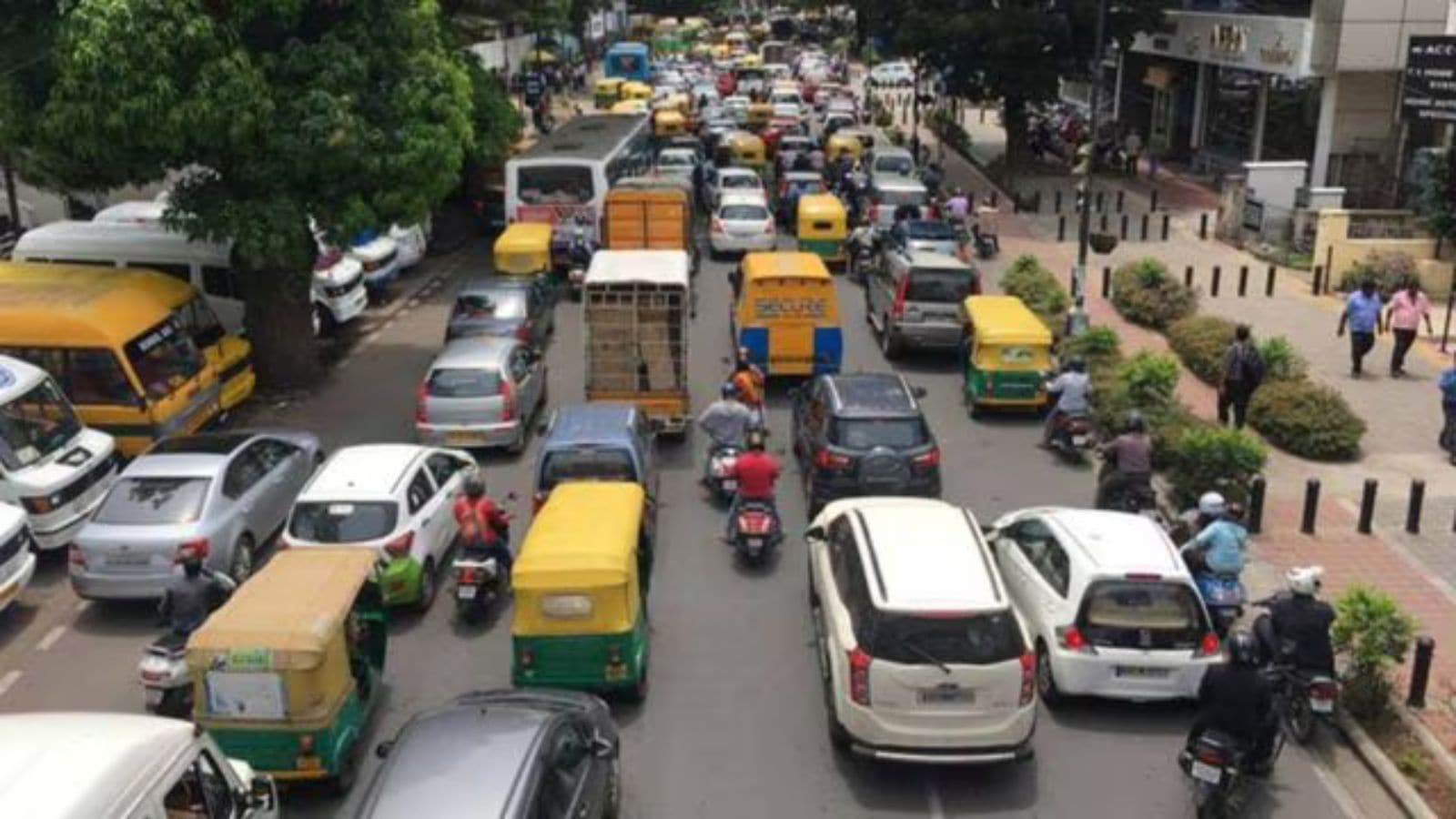
Bengaluru is bracing for a day of significant traffic disruption as authorities implement extensive restrictions across key economic corridors for a VIP visit. The advisory, which impacts major arteries like the Electronic City Elevated Flyover and Hosur Road, has thrown a stark spotlight on the city’s fragile mobility infrastructure. While essential for security, such large-scale events underscore the pressing need for sustainable, resilient transport solutions that can withstand major disruptions without crippling urban life. The incident serves as a potent reminder of the city’s over-reliance on private vehicles and the subsequent high cost of traffic.
The advisory, issued by traffic authorities, details a series of diversions and road closures between 8:30 am and 2:30 pm, effectively paralysing some of the city’s most critical business and residential zones. The affected routes are not just local streets; they are the lifelines connecting Bengaluru’s IT and industrial hubs, where millions of people commute daily. The ripple effect of closing these roads extends far beyond the immediate vicinity, causing gridlock on secondary routes and spreading congestion into residential neighbourhoods. This constant rerouting and unpredictable travel times create immense frustration for the general public, including emergency services, and demonstrate the vulnerability of a system that lacks robust alternatives.
From an environmental and economic perspective, this daily paralysis is unsustainable. Traffic jams are a significant contributor to Bengaluru’s carbon footprint, with prolonged idling leading to a substantial increase in vehicular emissions and wasted fuel. The economic cost of such a widespread gridlock is measured in millions of rupees, reflecting lost productivity and logistical delays for businesses. These temporary restrictions, therefore, serve as a microcosm of the city’s long-term environmental and financial challenges. To achieve its goal of becoming a zero-net-carbon city, Bengaluru must transition from an infrastructure that prioritises private vehicles to one that champions eco-friendly, mass transit systems.
The human-centric aspect of this story is perhaps the most compelling. The traffic disruptions affect every commuter, regardless of their gender or social status. However, the impact is often most acutely felt by those with rigid work schedules, those who depend on time-sensitive deliveries, and those who rely on a public transport system that is also caught in the gridlock. The constant struggle with unpredictable travel times and air pollution contributes to a poor quality of life, stress, and health issues for the city’s workforce. The incident underscores that equitable access to safe and efficient mobility is not a luxury, but a fundamental requirement for a modern, livable city.
Ultimately, the temporary traffic restrictions for a VIP visit offer a powerful lesson in urban resilience. A truly sustainable and smart city cannot afford to have its economic and social arteries paralysed by a single event. The solution lies not just in better management of existing roads but in a fundamental shift towards a robust, multi-modal public transport system that is resilient, equitable, and provides a dependable alternative for all citizens, every single day. This incident should serve as a wake-up call for accelerated investment in and adoption of mass transit solutions.
Also Read :Bhiwandi-Wada Road to Undergo Rs 700 Crore Overhaul to Ease Traffic Congestion
Bengaluru enforces major traffic restrictions on key routes for PM visit
