


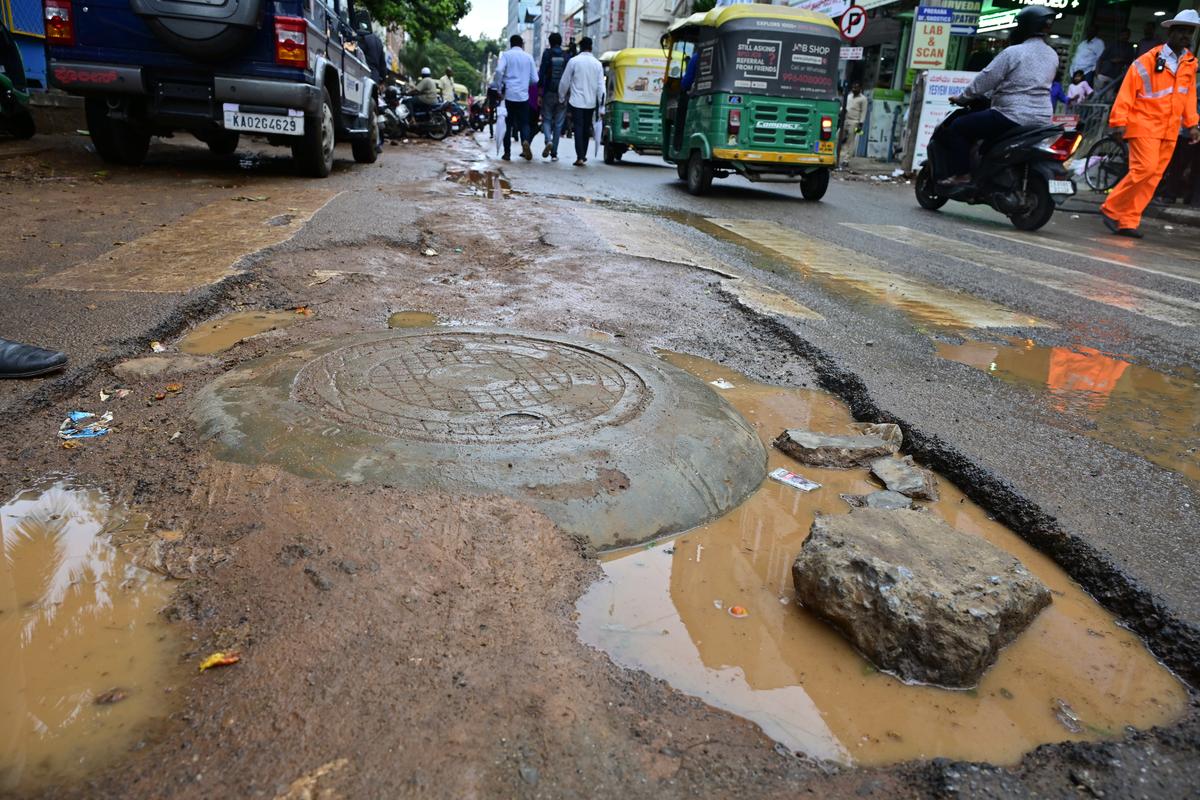
The Bruhat Bengaluru Mahanagara Palike (BBMP) is set to adopt a new, eco-friendly technology to address the perennial problem of potholes. This innovative method, which utilises industrial by-products, aims to provide a more durable and long-lasting solution than the temporary fixes that have long frustrated commuters. The move represents a strategic commitment to both improved road safety and environmental responsibility.
For years, the residents of Bengaluru have endured the daily inconvenience and safety hazards caused by the city’s cratered roads. The incessant rains often wash away temporary fixes, making commutes a harrowing experience and leading to vehicle damage and traffic congestion. The civic body’s previous reliance on conventional cold and hot mix materials has been widely criticised for its lack of durability. The adoption of the new technology comes as a welcome relief for citizens who have been voicing their frustration and demanding a permanent solution to the worsening condition of major arterial roads.
The new technology, referred to as Ecofix, has emerged as a promising alternative. It uses industrial waste streams, such as iron and steel slag, to create a robust and weather-resistant material for road repairs. Pilot trials, conducted in collaboration with a national research institute and a private firm, have already demonstrated its effectiveness, showing quicker application times and enhanced road strength. This proven success in other parts of the country, including Gujarat and Maharashtra, has given the city administration the confidence to scale up its implementation.
The civic body’s decision is a clear endorsement of the circular economy, where waste is repurposed to create value. By utilising industrial by-products that would otherwise end up in landfills, the administration is not only solving a critical urban problem but also reducing the environmental burden associated with waste disposal. This eco-friendly approach significantly lowers the carbon footprint of road maintenance, as it requires less energy for production and application compared to conventional methods. The shift is an important step towards building a more resilient and sustainable urban infrastructure that is designed for the future.
While the full implementation of Ecofix is underway, officials have assured the public that emergency repairs with existing materials will not be neglected. The transition signifies a new chapter in Bengaluru’s road maintenance, one that prioritises long-term planning over short-term fixes. By integrating innovation and sustainability, the city aims to create safer, more durable, and equitable road networks for all its citizens.
Also Read :Pune Highway Corridor Plan Gains Momentum Amid Congestion Concerns
