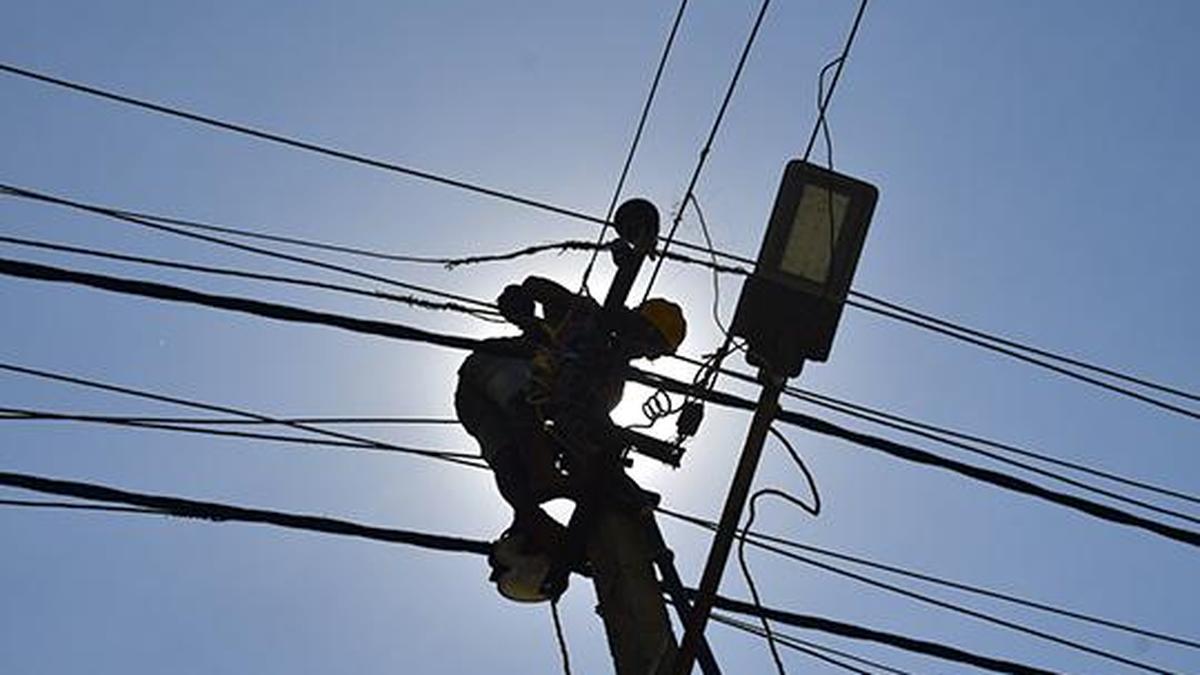
A planned electricity shutdown across parts of north Bengaluru on February 4 has once again drawn attention to the city’s ageing power distribution network and the everyday vulnerabilities that surface during routine maintenance. The interruption, scheduled between late morning and mid-afternoon, affects dense residential and mixed-use neighbourhoods, underscoring how even temporary outages ripple through urban productivity, household routines, and essential services.
The Bengaluru power cut has been initiated to enable maintenance and repair work on key electrical infrastructure feeding the Hebbal division and surrounding areas. Power distribution officials indicated that the activity is being carried out under instructions from the state transmission utility, reflecting the layered governance structure of Karnataka’s electricity system, where transmission and distribution responsibilities are split across agencies. Localities expected to experience disruption include older residential layouts and rapidly densifying neighbourhoods such as Kavalbyrasandra, Sultan Palya, Kanaka Nagar, Shampura, and parts of KHB Main Road, along with several adjacent pockets. These areas represent a cross-section of Bengaluru’s urban fabric long-established communities coexisting with newer developments making the outage a reminder of how infrastructure upgrades must keep pace with demographic and real estate pressures.
Urban planners note that while planned shutdowns are essential for grid safety, their frequency highlights the strain on distribution networks in fast-growing cities. Bengaluru’s electricity demand has expanded sharply due to vertical housing growth, commercial intensification, and increased appliance usage, particularly in northern corridors that have absorbed significant population spillover. Maintenance-led power cuts, though preventive in intent, signal the need for more resilient, decentralised energy systems. From an economic standpoint, a five-hour daytime outage has tangible implications. Home-based workers, small retailers, clinics, and construction sites often bear the brunt, relying on inverters or diesel generators that raise operating costs and carbon emissions. Sustainability experts argue that recurring Bengaluru power cut episodes strengthen the case for rooftop solar adoption, battery storage, and smarter load-management systems at the neighbourhood level.
Distribution officials have advised residents to report post-maintenance issues through the central helpline, particularly if supply restoration is uneven. However, civic analysts stress that communication alone is not sufficient. Transparent outage mapping, predictable maintenance calendars, and coordination with water and municipal services are increasingly seen as baseline expectations in a city positioning itself as a global technology and innovation hub. Looking ahead, the challenge for Bengaluru lies in transitioning from reactive maintenance to proactive grid modernisation. Investments in climate-resilient infrastructure, renewable integration, and demand forecasting could reduce the frequency and impact of such disruptions, ensuring that routine maintenance does not continue to test the city’s economic momentum and quality of life.